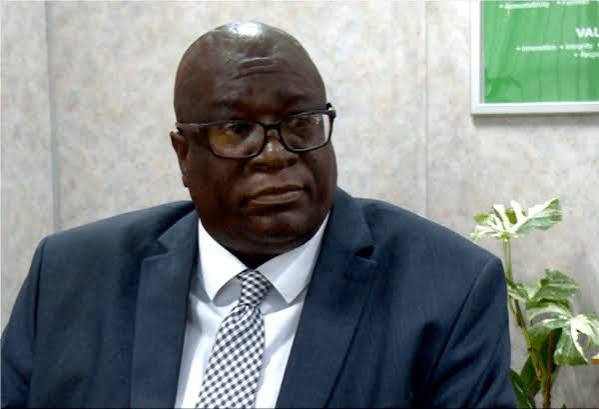
Bulawayo mayor David Coltart has positioned Zimbabwe’s second-largest city as a strategic hub ripe for revival despite decades of industrial decline and stalled economic promises.
Once regarded as Zimbabwe’s industrial hub, Bulawayo has, over the past two decades, witnessed the closure of major companies in textiles, engineering and manufacturing.
Firms such as Merlin and National Blankets either shut down or drastically downsized, leaving behind vast idle industrial spaces and rising unemployment.
Efforts to revive industry through government-backed initiatives such as the Distressed and Marginalised Areas Fund (Dimaf) largely failed to yield meaningful results, amid reports of poor implementation, limited funding and lack of transparency.
Critics have also pointed to repeated promises by the ruling Zanu PF to restore Bulawayo’s industrial base, many of which have not materialised, further eroding investor confidence.
Coltart last week met with United States ambassador Pamela Tremont in Bulawayo where discussions centred on unlocking commercial opportunities and addressing infrastructure bottlenecks that have long constrained the city’s economic recovery.
“We mainly looked at the issue of investment into Bulawayo and some of the infrastructural challenges that we have faced,” Coltart told Southern Eye on Sunday.
“A lot of the discussion was around the proposed establishment of call centres… an American investor who we are working with is now looking at Bulawayo.”
- Outrage over school uniform prices
- Schools reopen amid deepening teacher crisis
- Village Rhapsody: Sanctions are not the reason Zim is in a mess
- Outrage over school uniform prices
Keep Reading
The proposed entry of US-backed call centres signals a potential shift toward service-based industries, as the city seeks to reinvent itself following the collapse of its once-thriving manufacturing sector.
While courting investors, Coltart acknowledged persistent structural challenges, particularly in infrastructure development.
He noted delays linked to the African Development Bank-supported Glass Block water project, a key initiative aimed at improving the city’s water supply.
“The Americans are not looking at water infrastructure projects… but I did explain the problems that we are facing in relation to the support given to us by the African Development Bank in the construction of Glass Block Dam and the bureaucratic delays that we’ve experienced,” he said.
The mayor insisted Bulawayo retains competitive advantages.
Speaking at the recent Zimbabwe Impact Investment Dialogue, Coltart underscored the city’s strategic location and existing infrastructure as critical assets.
“Position, position, position… that is our city’s greatest asset,” he said, pointing to rail links connecting Zimbabwe to regional markets including Zambia, Botswana and the Democratic Republic of Congo via the National Railways of Zimbabwe.
He added that Bulawayo boasts relatively low crime rates, reliable education and health systems, and extensive—though underutilised—industrial infrastructure.
“It is a city with remarkable infrastructure… sadly much of it is running way below capacity… but we are ready for investment,” Coltart said.
In a bid to improve investor confidence, the Bulawayo City Council has adopted a new code of ethics aimed at promoting transparency and accountability.
“A key aspect to predictability is respect for the rule of law and tackling corruption,” Coltart said. “Investors gravitate to where their investment will be safe… we recognise the need to put our own house in order.”