A BULAWAYO magistrate has referred a contentious DNA dispute to the Constitutional Court, setting the stage for a landmark ruling on whether a man can be jailed for failing to pay child support when paternity remains unproven.
Western Commonage magistrate Bethel Negato on Tuesday granted an application by Sinini Ndlovu, who is challenging the constitutionality of being compelled to pay maintenance for two minor children while disputing that he is their biological father.
Ndlovu was represented by Meluleki Bothwell Lunga of Tsara and Associates against the respondent Nomalanga Tshuma.
The matter arose from an interim maintenance order issued on September 5, 2025, directing Ndlovu to provide financial support.
However, he has consistently denied paternity, prompting the court to order DNA testing to establish the truth.
The process has not been concluded after Tshuma allegedly failed to avail the minor child for testing despite repeated requests.
Despite the unresolved scientific question, Ndlovu faced threats of imprisonment should he default on maintenance payments, exposing him to enforcement proceedings under Section 23 of the Maintenance Act [Chapter 5:09].
In his application, Ndlovu argued that the law permits incarceration without first establishing biological parentage, raising serious constitutional concerns over his rights.
- ‘Govt spineless on wetland land barons’
- 3 drivers nabbed over Zesa cables theft
- Letter from America: Democrats believe in Voodoo economics
- SA’s search for a fairer electoral system
Keep Reading
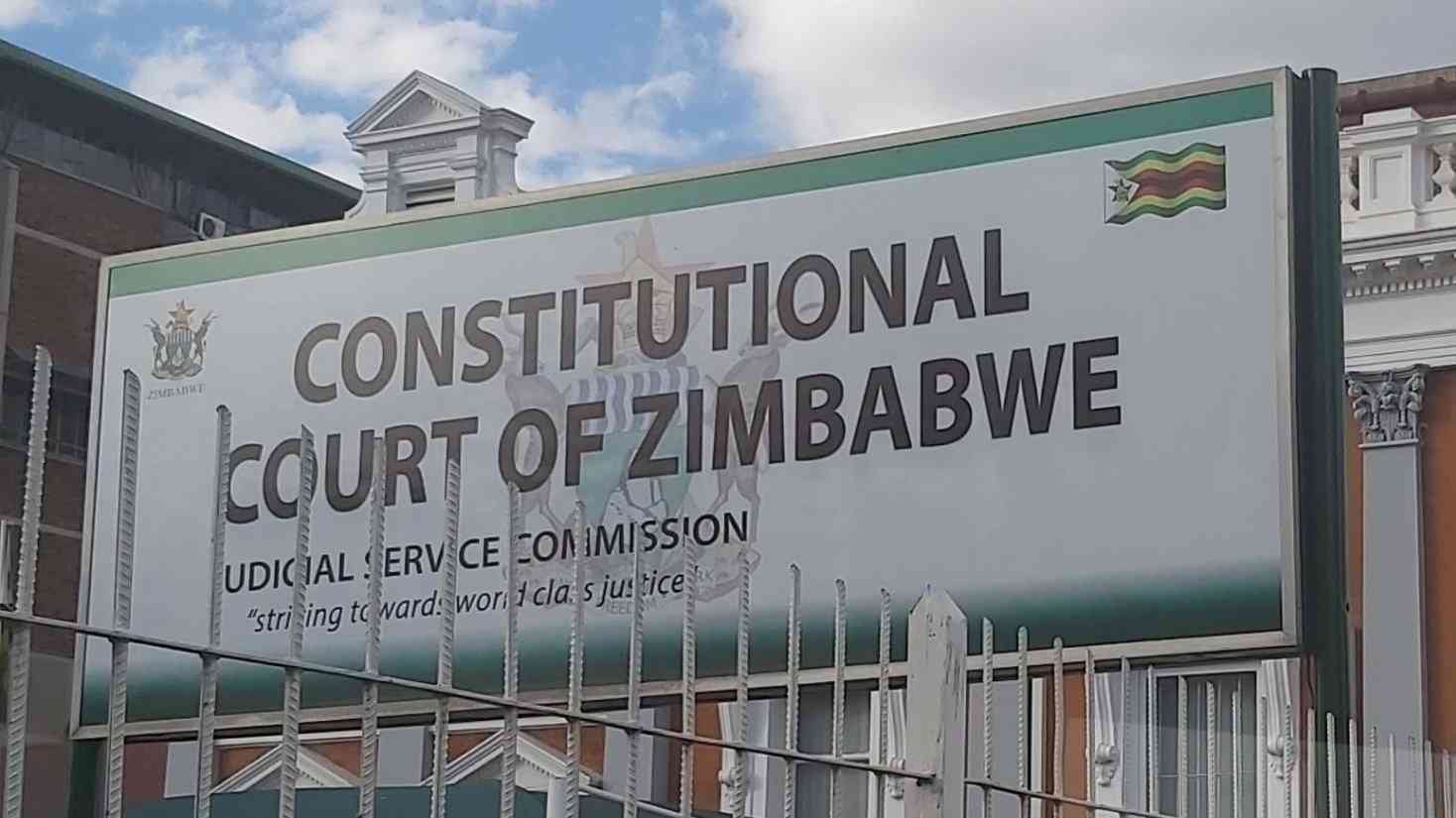
In a ruling that elevates the dispute to national significance, Negato said the issues raised deserved the attention of the Constitutional Court.
“The constitutional questions raised by the applicant concerning the constitutionality of Section 23 of the Maintenance Act [Chapter 5:09] are not frivolous or vexatious,” the magistrate ruled.
“In terms of Section 175 (4) of the constitution of Zimbabwe, the following constitutional questions are referred to the Constitutional Court for determination: Whether Section 23 of the Maintenance Act [Chapter 5:09], in so far as it permits imprisonment for default in payment of maintenance without requiring mandatory scientific proof of paternity where paternity is disputed, violates Section 49 of the constitution of Zimbabwe,” Negato ruled.
“Whether the practice of presuming paternity without scientific proof is consistent with Sections 49 and 70(1)(a) of the constitution of Zimbabwe.”
He also ordered that any committal or enforcement proceedings arising from the maintenance order be stayed pending determination of the constitutional questions by the Constitutional Court.
The case now moves to the apex court where judges will weigh the balance between enforcing child maintenance obligations and safeguarding constitutional rights, in a decision that could have far-reaching implications for similar disputes across Zimbabwe.
In September last year, a law reform advocate based in Kadoma, Believe Guta appeared before the parliamentary portfolio committee on justice legal and parliamentary affairs besearching Parliament to amend section 23 of the Maintenance Act by inserting a subsection that compels DNA test before men can be jailed for failure to comply with a maintenance court order.