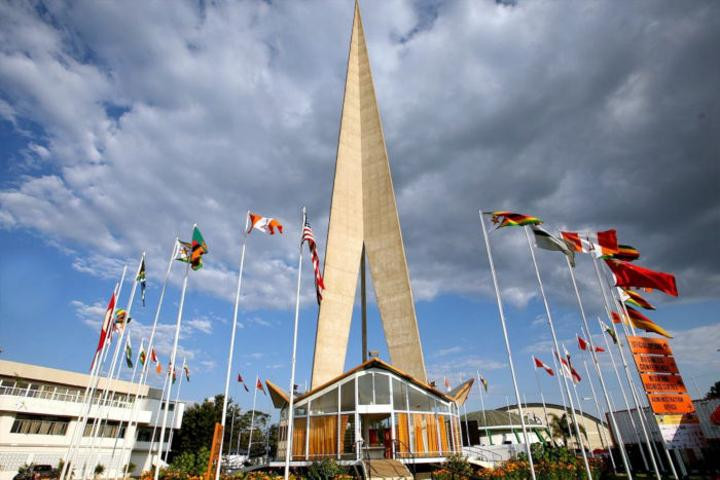
The 66th edition of the Zimbabwe International Trade Fair (ZITF), running under the theme Connected Economies, Competitive Industries, arrives at a time when Bulawayo’s industrial reality sharply contrasts with the optimism projected on exhibition stands.
Once the country’s manufacturing heartbeat, the City of Kings and Queens has seen its industrial base erode over decades, leaving behind shuttered factories, repurposed buildings, and rising unemployment.
Historically, Bulawayo’s strategic advantage as a rail and manufacturing hub anchored key sectors including textiles, engineering and food processing.
Today, many of those industries are either defunct or operating below capacity.
Efforts to revive critical institutions such as the Cold Storage Commission and the National Railways of Zimbabwe have yet to yield meaningful, sustained results, raising legitimate concerns about implementation gaps in industrial policy.
ZITF remains an important national platform. It facilitates investment dialogue, showcases innovation and promotes trade linkages, as evidenced by the participation of regional leaders including President Emmerson Mnangagwa and Botswana’s President Duma Boko.
The influx of exhibitors and visitors undeniably provides short-term economic activity for Bulawayo’s hospitality and services sectors.
However, the broader question persists: what lasting value does the fair deliver to the host city’s industrial ecosystem?
- Mr President, you missed the opportunity to be the veritable voice of conscience
- ED to commission new-look border post
- Zanu PF ready for congress
- EU slams Zim over delayed reforms
Keep Reading
A significant presence of exhibitors from outside Bulawayo reflects both the fair’s international appeal and the city’s diminished industrial participation.
Without deliberate strategies to integrate local industry into these opportunities, ZITF risks becoming symbolic rather than transformative.
For the fair to retain relevance, it must evolve beyond an annual showcase into a catalyst for tangible industrial recovery.
This includes policy consistency, infrastructure rehabilitation, access to capital, and targeted support for local manufacturers.
Equally important is accountability in executing revival programmes already announced.
Bulawayo’s industrial story need not end in decline. But for that to change, ZITF must serve not just as a window into possibility, but as a bridge to measurable progress.