The government has pledged to intensify efforts to address persistent zero percent pass rates in several schools across the Matabeleland region, with authorities attributing poor performance largely to infrastructure deficits and staffing challenges.
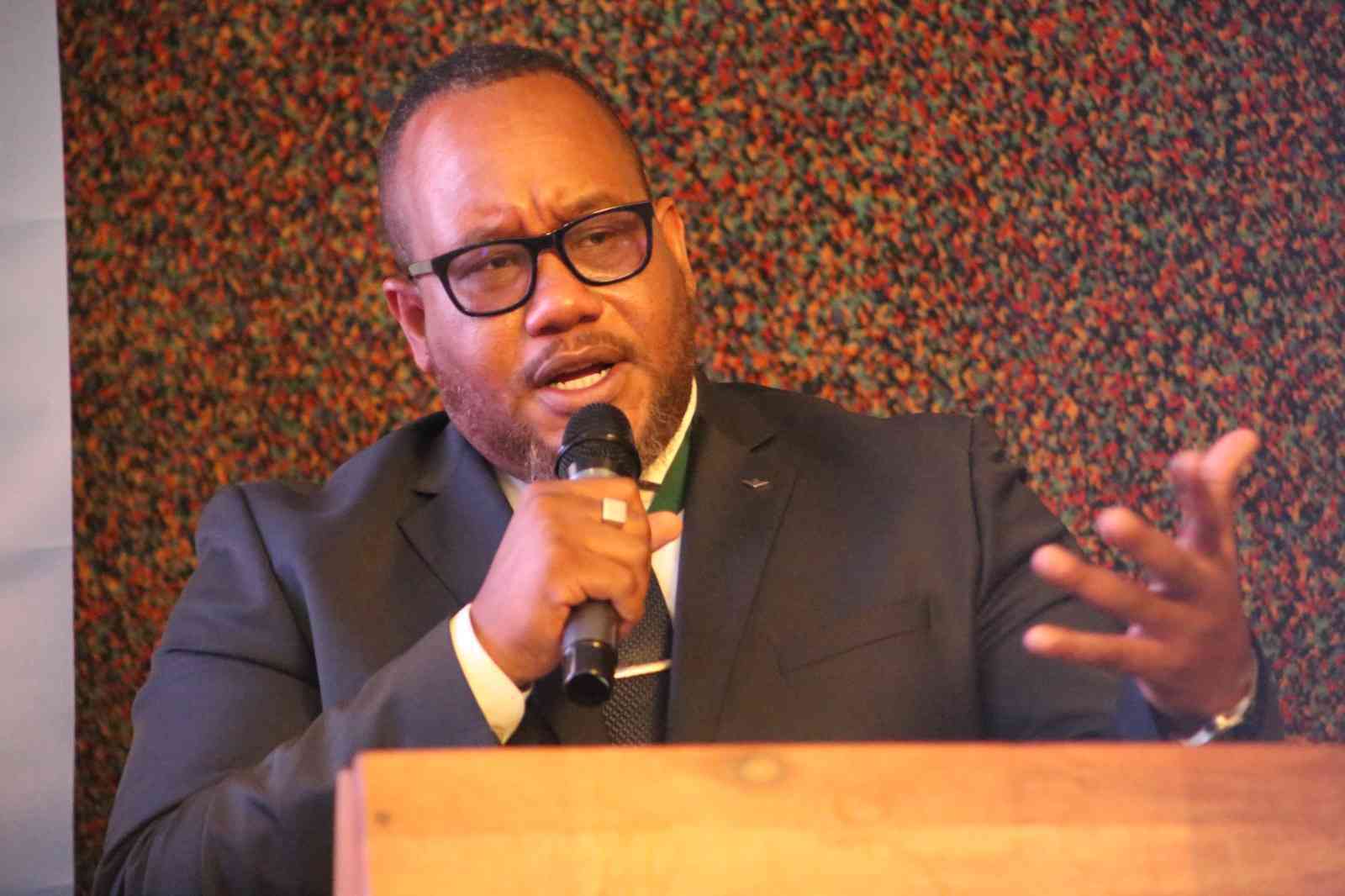
Speaking during a tour of schools in Matabeleland South last week, Primary and Secondary Education secretary Moses Mhike said the government was aware of the challenges affecting schools in Matabeleland South and was rolling out “legacy projects” aimed at improving learning conditions.
The legacy projects being implemented ahead of the 46th Independence celebrations to be held at Maphisa Growth Point in Matobo District on Saturday include construction and rehabilitation of roads, boreholes, schools and health institutions.
The interventions form part of a broader government strategy to reverse poor academic outcomes in remote and under-resourced schools—particularly satellite institutions—through infrastructure development, expanded science, technology, engineering and mathematics (STEM) facilities, improved school leadership, and enhanced teacher capacity. Authorities believe that addressing long travel distances, weak laboratory access, and inadequate school facilities will be key to lifting pass rates in the region.
Mhike said many of the affected institutions were satellite schools, which often suffer from long distances between learners’ homes and schools, as well as shortages of qualified teachers and basic learning facilities.
“It means that if we upgrade our schools both in terms of facilities and headship, we will at least see an improvement in pass rates,” he said.
“One of the challenges we face, especially in Matabeleland North, is the distance pupils walk to school. We need to construct more schools, improve infrastructure, build laboratories and invest in teacher capacity development.”
Mhike added that the government already had a clear plan for addressing the challenges affecting education in the region, including targeted investments in science, technology, engineering and mathematics (STEM) education.
- I will definitely win 2023 elections: Mwonzora
- We will rule forever: ED says
- Candid Comment: Monetary authorities living in a fool's paradise
- Measles death toll hits 650
Keep Reading
“I already have a plan for what we need to be doing. Issues include laboratories and upgrading some of our schools, especially in Binga, where we have challenges,” he said.
Mhike said the government had partnered with the Hwange Colliery Company in Matabeleland North, which has supported the deployment of 75 mobile laboratories to improve practical learning in schools.
He also announced that 40 laboratories will be constructed across districts in Matabeleland South as part of efforts to strengthen STEM learning.
Mhike said the government had completed rehabilitation works at Mahetshe Primary and Secondary Schools in Matabeleland South, including classroom blocks, teachers’ houses, computer science laboratories and administration blocks.
He added that new 5kV solar systems would be installed at the schools to support digital learning and laboratory work.
“We want to start serious digital technology teaching in our schools,” Mhike said.
He said the government was working to eliminate the rural-urban education divide through sustained investment in infrastructure and learning resources.