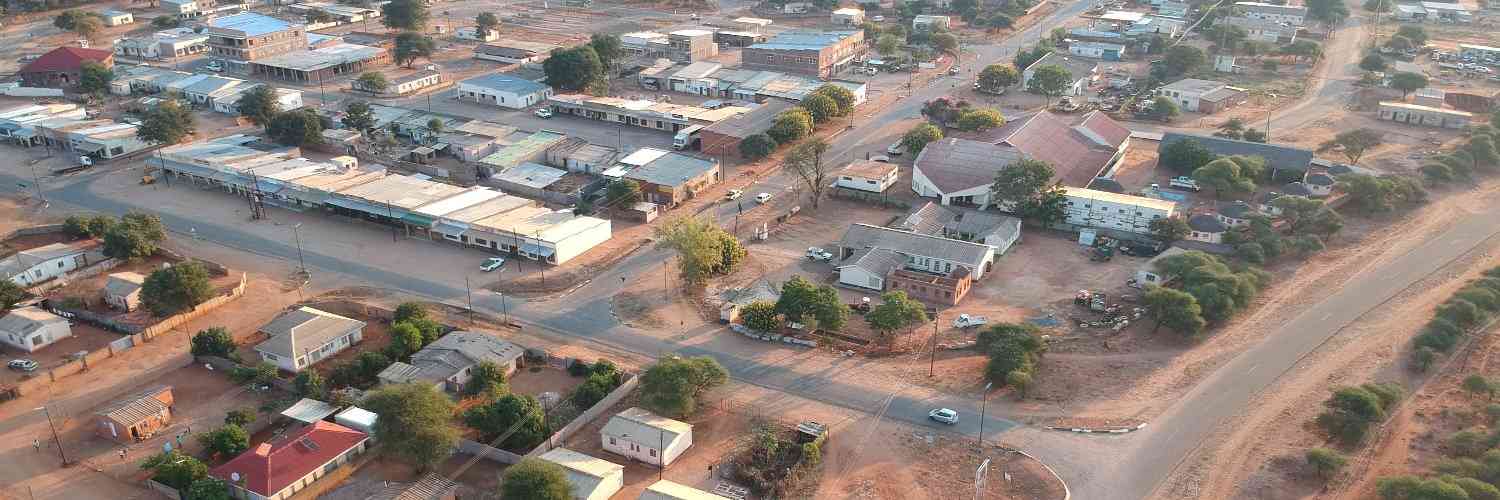
MATOBO Rural District Council has received a fraction of the devolution funds it requested, forcing the local authority to scale down priority projects and stretch limited resources.
Council had applied for ZiG104 million for legacy projects, but received only ZiG14,48 million in March, according to chief executive officer Alvis Sibanda.
“Initially, we had made an application of ZiG104 million for legacy projects,” Sibanda said.
“We had to trim it down to prioritise impactful projects after receiving an amount less than what we had budgeted for.”
Despite the shortfall, council has managed to procure a motorised backhoe loader using the funds.
Sibanda said the equipment, together with a tipper truck bought last year, would help to rehabilitate the road network and infrastructure development.
“With these vital two pieces, we are confident of improved service delivery,” he said.
“This will greatly aid in achieving minimum service delivery hence the achievement of Vision 2030.”
- Awards target married couples
- Awards target married couples
- Sibanda living his writing dream
- Pomona deal under spotlight as experts meet
Keep Reading
Ward 4 councillor Mxolisi Ncube, who sits on the finance committee, said council had only used a part of the devolution allocation.
“Once we manage to acquit the devolution funds we recently received, we will rush to apply for another one,” Ncube said.
“Once we get the other devolution funds, we want to channel them to water infrastructure. Our resolution is to buy a rig for drilling boreholes.”
Ncube commended residents for an improvement in rate payments, noting that revenue collection had increased compared to previous years despite economic hardships.
“There has been a positive shift of mind in the way residents are paying rates, especially the business community,” he said, adding that council was divided into two parts — Maphisa Town Board and the remaining rural council — with residential areas now limited to places such as St Joseph’s, Tshelanyemba and Sun Yet Sen.
“Most of our resolutions are more focused on service delivery,” Ncube said.
“We were lagging in servicing our roads. Most of them are not in good shape, making it difficult for communities to access development.”