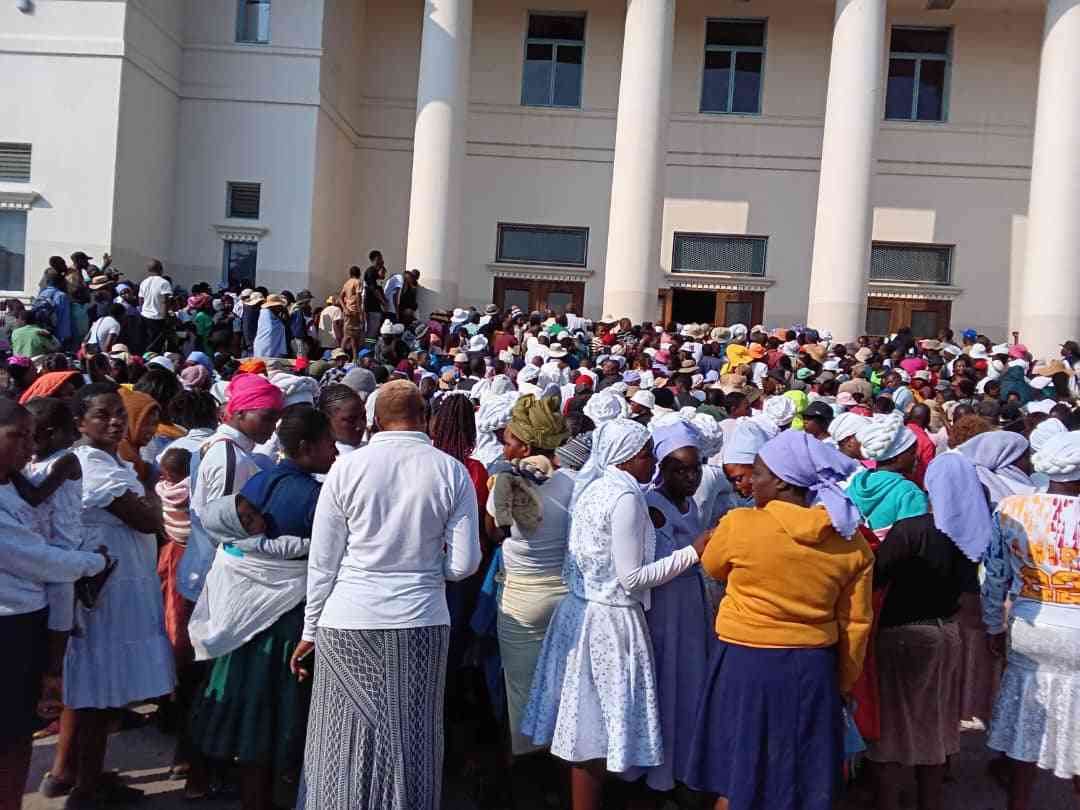
BULAWAYO residents were left sharply divided after the conclusion of the Parliament-led public hearings on the proposed Constitutional Amendment (No 3) Bill, 2026, held in the city this week.
The controversial Bill proposes wide-ranging changes to Zimbabwe’s governance system, including extending the terms of office for the President, Members of Parliament and councillors from five to seven years, delaying elections, and significantly altering the way the President is elected.
Under the Bill, the President would no longer be chosen through a popular vote but by a parliamentary vote — a provision that has sparked intense debate.
However, many residents voiced strong opposition, saying the proposals undermine democratic principles.
Proponents of the Bill argued that extending the terms promotes continuity in governance and allows leaders to complete development projects.
However, despite the support, many residents strongly opposed the proposed changes, arguing that they undermine democratic principles.
Michael Tendai Gurure, a youth representative, expressed concern over losing the right to vote.
“As young people, we should be shaping our future through voting. This Bill takes away that right, even though some of its ideas may be good,” he said.
- 2030 Bill: CSO petitions Mudenda
- Constitutional Amendment to promote devolution: Zanu PF
- Controversial Bill hearings divide Bulawayo
- 7 Judges. One question. Does Mnangagwa benefit illegally?
Keep Reading
Khethiwe Ncube stressed that constitutional changes must reflect the will of the people.
“The Constitution belongs to the people of Zimbabwe. The 2013 Constitution was adopted through a referendum and any amendments should also go through a referendum,” she said.
Ncube also warned against weakening key institutions, including the Gender Commission.
Some critics raised concern about the concentration of power in the Presidency. Butholezwe Dube said: “This Bill takes away power from citizens and places too much authority in the hands of the President, including influence over the military. That is dangerous for the future of the country.”
Tendai Luba Masotsha strongly rejected the proposed parliamentary election for the President.
“I cannot accept that around 430 lawmakers will choose a president for more than 17 million people. That removes the voice of the citizens,” she said.
Others criticised the extension of terms.
“Seven years is too long. If leaders fail, people will suffer for a long period without the chance to vote them out,” said Mkhululi Moyo.
He urged citizens to think carefully before supporting the Bill.
“We must not be driven by emotion. We need to consider the long-term consequences and push for a referendum,” he said.
Some residents also questioned the complexity of the Bill. Moses Kumbweya said, “The Bill has too many clauses and this confuses people. There may be hidden intentions, especially regarding the role of Parliament in electing the President.”
Meanwhile, Obert Masarure, representing the Coalition of the Dispossessed and Driving the Better Zimbabwe Agenda, criticised the public hearing process.
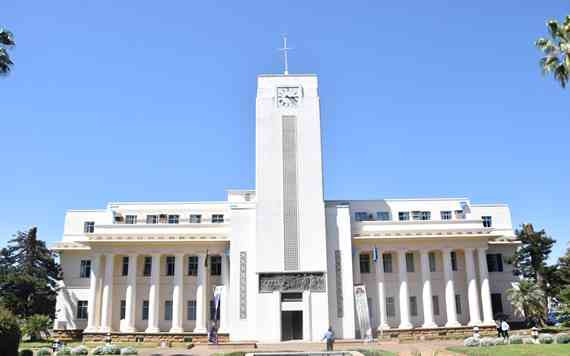
“When only 100 out of 3 500 attendees are heard at a venue like the Bulawayo Large City Hall, we are left with a significant ‘democratic deficit’. Mathematically and socially, we cannot claim that the views of this small group represent the silent majority,” he said.
“Public consultations often suffer from selection bias. Those who manage to speak are usually the most organised, the loudest or those with specific political backing.”
Masaraure said that affected thousands who disagreed but lacked the opportunity or the “microphone courage” to speak.
“In a high-pressure environment, complex opinions are often traded for slogans and applause-seeking statements. Organisers often mistake a large turnout for a ‘successful consultation’,” he said.
“However, showing up is merely an act of interest, not an act of consent. Without a mechanism to capture the input of the other 3 400 people, the data collected is anecdotal, not representative.”
Masaraure said a referendum was the only option to move beyond guesswork and "echo chamber" politics.
“A secret ballot allows citizens to express their true views without fear of victimisation or social pressure. It shifts the power from the 100 people with the loudest voices to the thousands with the actual votes.
“Unlike a town hall meeting, which is advisory and easily ignored, a referendum provides a clear, quantitative mandate that cannot be
disputed.
“The Constitution demands a referendum when a term of office is being extended and another one when the incumbent seeks to benefit from the extension.”