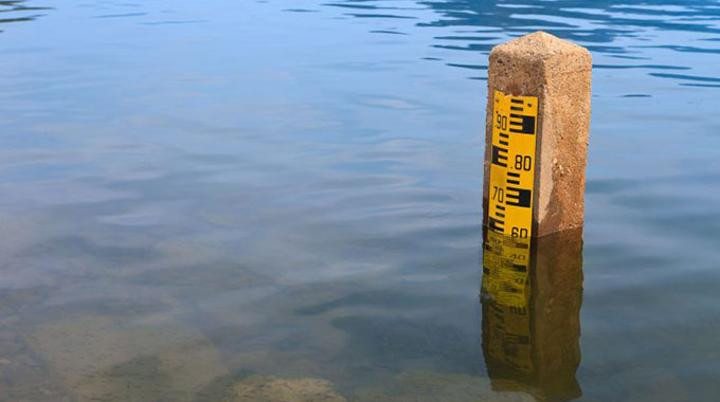
Bulawayo’s six supply dams have recorded their highest water inflows in five years, raising hopes that the city council may finally suspend a decade-long water rationing regime.
According to a municipal update released on March 18, the city’s reservoirs held a combined 414,6 million cubic metres of water as the 2025/26 rainy season draws to a close.
That brought the average dam levels to 63,65% capacity, a significant recovery from the 49,77% recorded during the same period last year.
The city’s primary supply dams have shown marked improvement.
Council figures show Mtshabezi Dam at 100% capacity, followed by the city’s largest reservoir, Insiza Mayfair, at 80,41%.
Upper Ncema was at 50,44%, Umzingwane at 40,60%, Lower Ncema at 39,42%, and Inyankuni at 29,76%.
In a separate update issued on Tuesday, the Zimbabwe National Water Authority (Zinwa) indicated that levels have continued to rise following recent torrential rains.
Zinwa reported that Mtshabezi Dam is currently spilling, while Insiza Mayfair has reached 87,1% capacity.
- Water shortages hit Gutu-Mpandawana
- Power cuts hit Karoi water supplies
- Fire destroys city flats
- Gold panning polluting Byo supply dams: Council
Keep Reading
The authority’s data also placed Upper Ncema at 52.4%, Umzingwane at 50%, Lower Ncema at 44,1%, and Inyankuni at 29,1%.
The last time Bulawayo’s dams surpassed 60% of their design capacity was in 2021, when they held 70,51%.
Just the previous year, water levels sat at a “dangerous” 32,8% following a poor rainfall season.
Despite the rising levels, the Bulawayo Progressive Residents Association (BPRA) has urged caution.
Residents have lived under a severe rationing regime for over a decade, often going days without municipal supply while relying on erratic groundwater.
“We are not satisfied with the increase in dam levels because it is still too low, especially considering that we are approaching the end of the rainy season,” said BPRA chairperson Stephen Nkomo.
Nkomo warned that the gains could be undermined by the city’s decaying infrastructure, which struggles to meet demand.
“The council must work harder to address these leaks and should approach the government for support to fix the ageing pipes,” Nkomo said.
“If the leakages are not repaired, we will continue losing water and eventually return to square one”.
As a mid-term solution, the council is considering the Glassblock/Bopoma dam project.
Located approximately 60 kilometres southeast of Bulawayo, the site would allow for a direct and relatively low-cost pipeline to Ncema.
The project is seen as a practical alternative that could be implemented without waiting for the long-delayed Gwayi-Shangani pipeline.