AFRICAN governments, including Zimbabwe, have been cautioned that water privatisation poses a serious threat to women and girls.
The alert comes amid concerns over the Bulawayo City Council (BCC)’s plans to restructure its water services.

BCC clarified that it intends to establish a 100% council-owned corporatised water utility, not private company, in partnership with a Dutch company, Vitens Evides International. The aim is to transform the water and sanitation department to an independent, public entity to improve service delivery amid severe shortages of the precious liquid.
In a statement released on Tuesday, the civic group Our Water, Our Right Africa Coalition (OWORAC) warned African governments that water privatisation threatens women and girls, as the world commemorated World Water Day on Sunday.
OWORAC is a organisation representing civic groups from several African countries, including Zimbabwe, Nigeria, Zambia and Senegal.
“Across Africa, women and girls pay the highest price when governments relinquish public water systems to private interests,” Fatou Diouf of the Senegalese Water Justice Network said.
OWORAC noted with concern that Zimbabwe’s plan to scrap the Zimbabwe Gender Commission will further marginalise women in policy decisions, particularly as the country resorts to water privatisation.
- Mavhunga puts DeMbare into Chibuku quarterfinals
- DeMbare fire blanks in drab draw
- Invictus to finally start drilling
- Dave Chappelle: US comedian attacked on stage in Los Angeles
Keep Reading
“Every step a girl takes to collect water is a step away from learning, playing and safety,” said Cecilia Sharp, Unicef director of WASH and CEED.
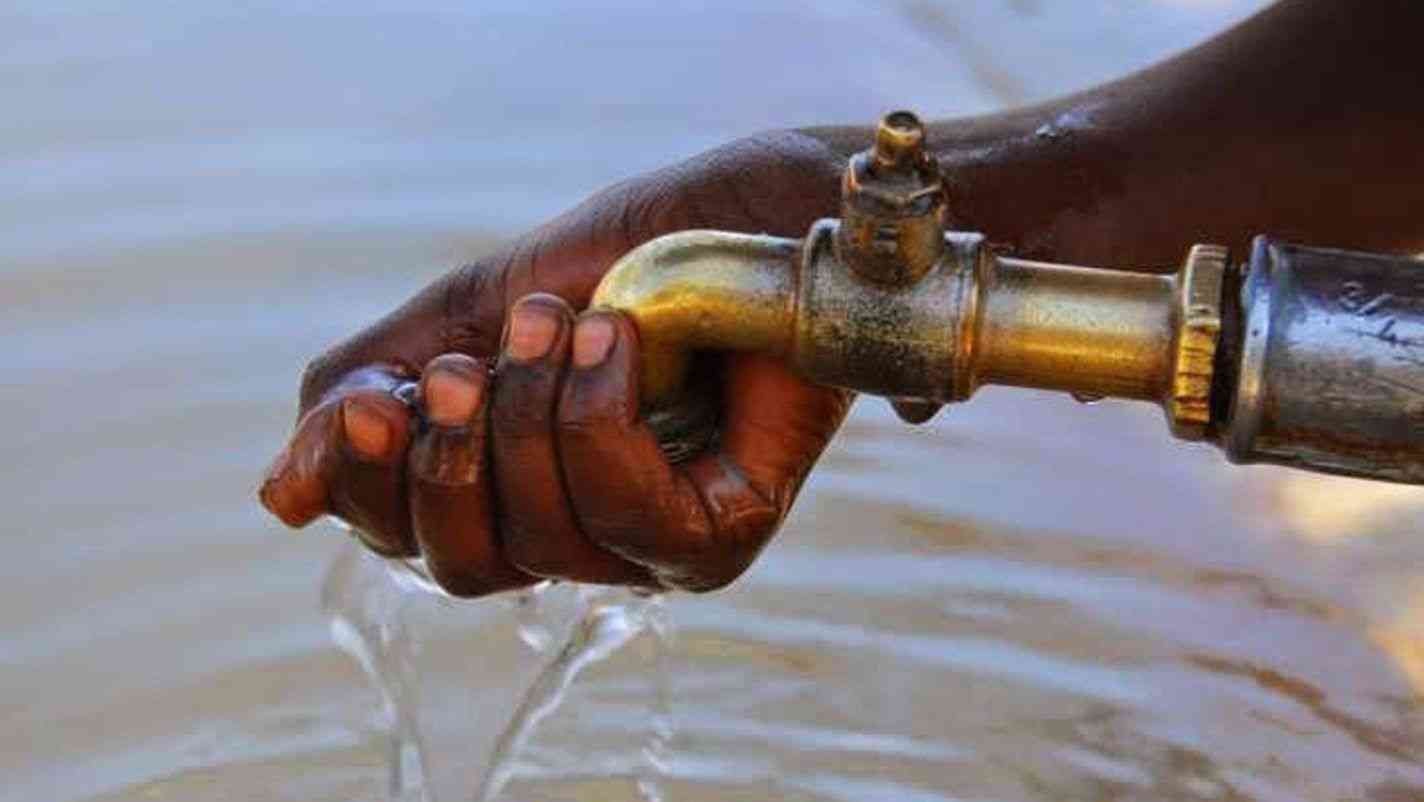
In sub-Saharan Africa, women and girls spend 200 million hours collecting water daily.
OWORAC is demanding that African governments reject water privatisation and prioritise public financing and democratic governance of water systems.
The coalition criticised the United Nations for welcoming AquaFed, a private water industry lobby group, as a World Water Day 2026 task force member, stating that governments should hold organisation which profiteer from water accountable instead.
“Privatisation schemes are set to exacerbate existing challenges, not fix them,” OWORAC warned.
BCC has previously stated that it is establishing a water and sanitation utility — an independent entity focused on managing the delivery of water and sanitation services efficiently to the public.
Council said the proposed Bulawayo Water and Sanitation Public Utility would be 100% wholly owned by the City of Bulawayo.
The local authority said setting up a water utility would enhance management and retain water as a public resource, adding that it did not intend to transfer ownership to private companies.