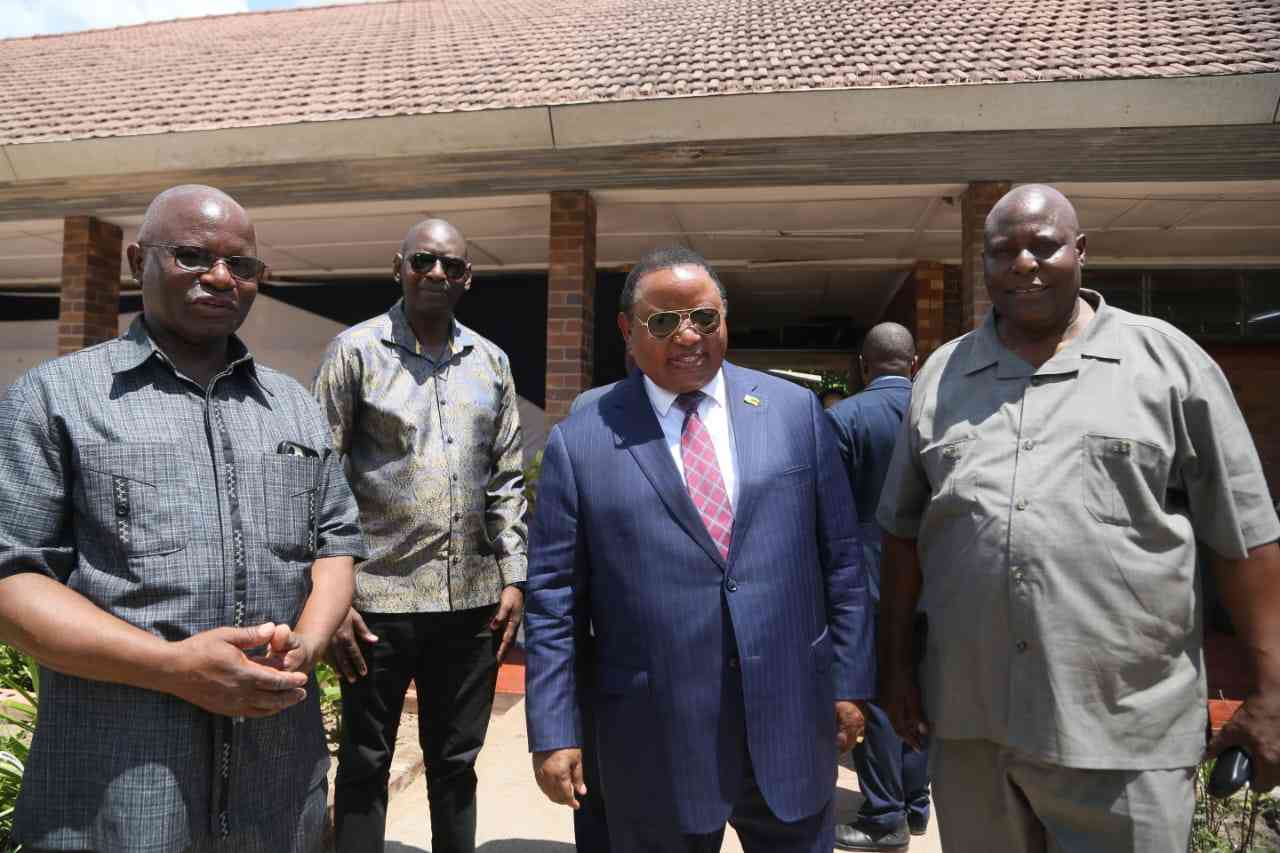
The government is moving to upgrade Hwange College of Education to a full-fledged teachers’ training institution, Higher and Tertiary Education, Innovation, Science and Technology Development minister Frederick Shava has said.
The planned expansion is part of broader government efforts to strengthen teacher-training capacity in Matabeleland North, promote indigenous languages and innovation, and align higher education institutions with Zimbabwe’s heritage-based curriculum and rural industrialisation drive.
Speaking during a recent visit to the college, Shava said the expansion plans included the introduction of heritage-based curriculum programmes, bridging courses and new income-generating projects aimed at enhancing the institution’s sustainability.

He said the initiatives were in line with President Emmerson Mnangagwa’s vision of leaving no one and no place behind.
“It ensures that our education system produces graduates who are not only academically sound, but also practically skilled and economically productive,” Shava said.
He added that the ministry was looking forward to commissioning several projects in 2026, including the acquisition of a vehicle, a textile production line and catering initiatives.
“These will not only enhance the college’s self-sufficiency, but also contribute to the local economy and create employment opportunities for people in the area,” Shava said.
- Poaching syndicates trap vulnerable villagers
- Power cuts spur Zimbabwe’s green energy revolution
- Power crisis needs practical solutions
- Youth candidates debate manifestos on social media
Keep Reading
However, Shava bemoaned space constraints at the temporary premises currently being used by the college.
“The government is aware that they want to build Hwange College of Education and the Ministry of Higher and Tertiary Education has already started doing something towards the construction of facilities for a full-fledged teacher’s college,” he said.
Shava said government policy promoted the teaching of indigenous languages, including Nambya and Tonga, which would be offered at the institution.
Established in 2019, the college has recorded steady growth, enrolling students with disabilities and incorporating indigenous languages to its curriculum as part of its inclusivity thrust.
Shava applauded the institution’s focus on staff welfare, including initiatives supporting educators with tools such as laptops, data allocation and wellness programmes.
“I am encouraged by the ongoing engagements with stakeholders, including the colliery, to add staff accommodation,” Shava said, expressing hope that the planned construction of two staff houses will pave the way for further infrastructure development.
He also commended student-led innovation projects — ranging from tamarind-based products and baobab coffee to textile design and beadwork — saying they align with the national agenda for rural industrialisation and economic empowerment.
The college’s involvement in community-based initiatives, including equipping farmers with strategies to manage human-wildlife conflict, producing eco-friendly fish-drying ovens and revitalising traditional agricultural knowledge, demonstrates how education can drive sustainable development, Shava said.
College principal Royal Ndini said the minister’s visit underscored the urgency of starting construction of permanent infrastructure.
He said the institution was operating from a former primary school complex, but had secured a 19-hectare piece of land earmarked for the development of a standard teachers’ college.