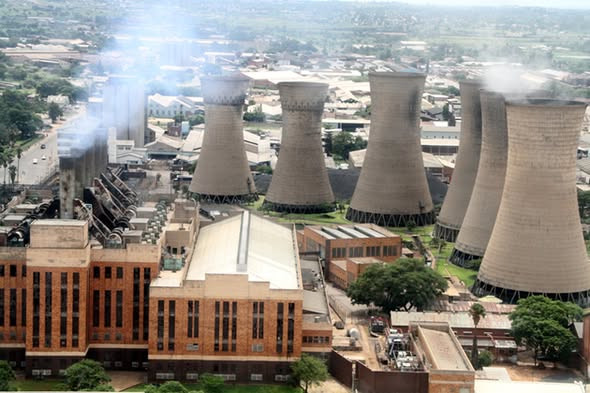
STAKEHOLDERS have expressed mixed feelings over the collapse of Bulawayo industries, with some blaming sanctions while others accuse the Zanu PF-led government of undertaking tribalistic and political policies that led to the demise of the city’s industries.
Zanu PF Bulawayo provincial chairman Jabulani Sibanda was adamant that sanctions played a pivotal role, arguing that they originated from the country’s former colonisers.

Sibanda told Southern Eye in an interview that the sanctions were effective because the machinery used in these industries came from countries like Britain, which imposed them.
“The industries are down because we were using machinery from countries that imposed these sanctions,” he said.
“Had it not been that these sanctions were coming from former colonisers such as Britain, they were not going to be effective.
“We have to plan for our industries and not use a British colonial mentality, which speaks about a ‘sun never sets’ mentality.”
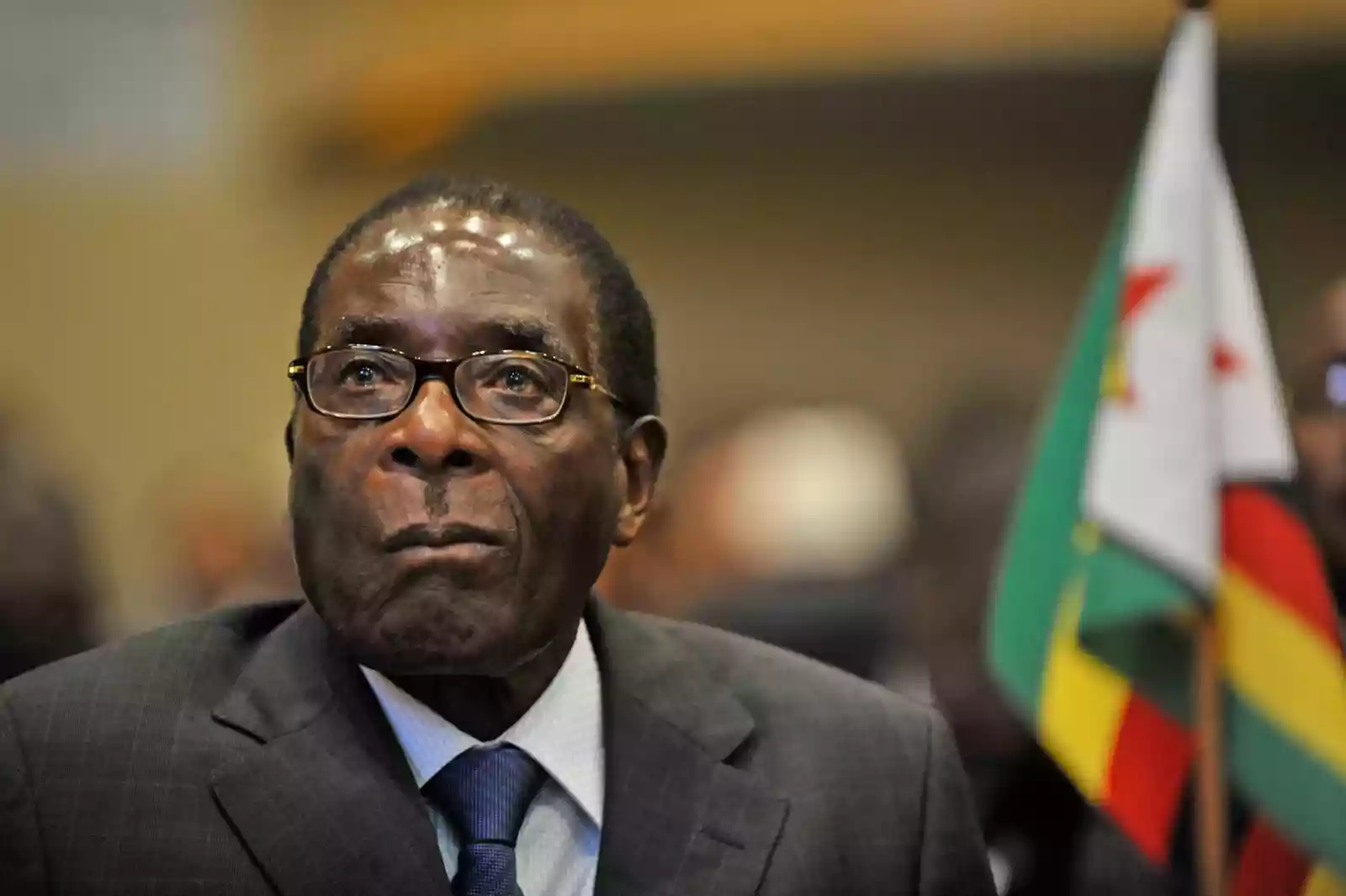
Former speaker of Parliament Lovemore Moyo said the Zanu PF-led government under the late former president Robert Mugabe, undertook a deliberate tribal and political approach to de-industrialise Bulawayo.
- Corruption Watch: Get scared, 2023 is coming
- Corruption Watch: Get scared, 2023 is coming
- Letters: Ensuring Africa’s food security through availability of quality seeds
- Is military's involvement in politics compatible with democracy?
Keep Reading
“The idea was that the industries were located in the wrong region and, therefore, benefiting the people of Matabeleland,” Moyo said.
“They aimed to create unemployment so that the working class from Matabeleland would move away and seek employment elsewhere, such as in countries like Botswana and South Africa.”
He argued that the government also sought to relocate companies headquartered in Bulawayo to Harare, which he said was a deliberate move.
Moyo called for a transformation of the industrial policy regarding Bulawayo’s industries.
He also urged the Bulawayo city council to have a clear document stipulating its role as the service provider for those industries.
Local politilcal commentator Methuseli Moyo said the collapse of Bulawayo industries started in the 1980s, mainly due to water shortages and the scaling down of companies.
“The collapse of Bulawayo started in the 1980s with companies streamlining their operations as they sought to limit operations to Harare mainly,” Moyo said.
He noted that this is not to say sanctions have not had an effect.
“They have compounded the problem,” he said.
“But to be honest, de-industrialisation in Bulawayo started in the 80s. It got worse in the 90s and the years after.”
Speaking after a tour of industry in Bulawayo on Monday, Industry and Commerce minister, Nqobizitha Mangaliso Ndlovu, said the government will set up a multi-layered policy framework to support local industries.
He added that they will focus on localisation and import restrictions.