![]()
BULAWAYO, Jul. 28 (NewsDay Live) – Amnesty International has called for urgent action to protect women engaged in informal cross-border trade, warning that sexual exploitation, gender-based violence and lengthy border delays are undermining their human rights and livelihoods.
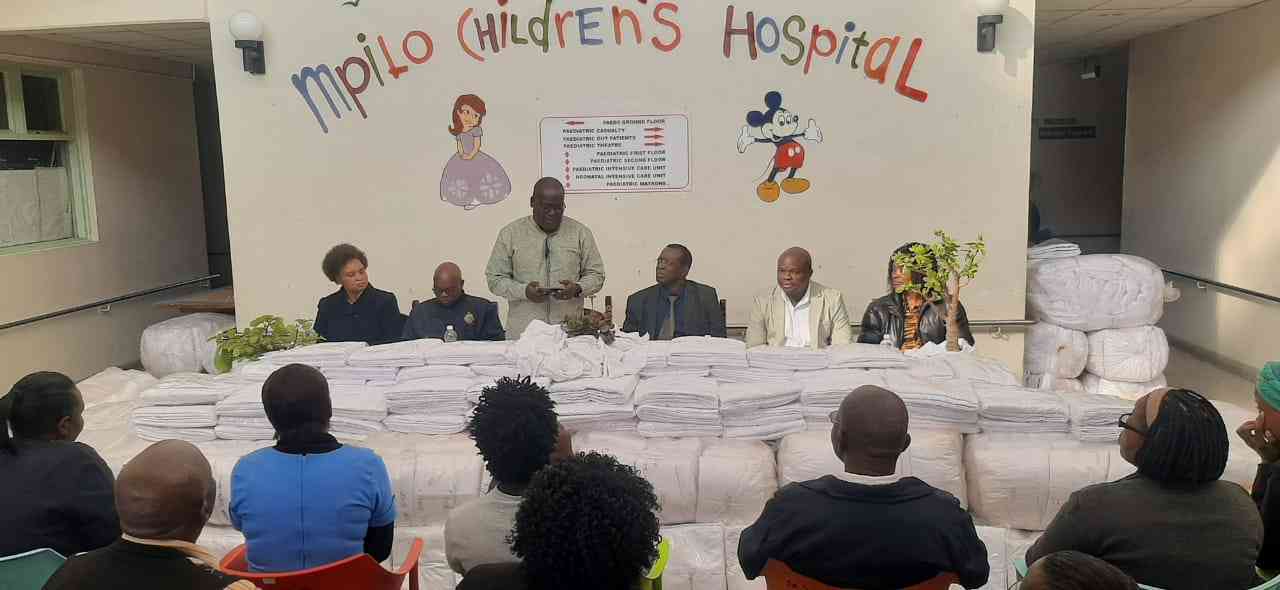
The organisation made the call during a workshop held in Bulawayo on Tuesday in partnership with the Vendors Initiative for Social and Economic Transformation (VISET), aimed at educating women informal cross-border traders about their rights.
The meeting followed the release of Amnesty International’s regional research report, “Decent Work is a Human Right,” which examines the experiences of women informal traders in Zimbabwe, South Africa, Zambia and Malawi.
Amnesty International lead campaigner on the Informal Cross-Border Traders Campaign, Tinashe Mujuru, said researchers visited major border towns including Beitbridge, Chirundu, Kariba, Mutare and Masvingo to document the challenges women face.
“Our research focused on women in informal cross-border trade because they contribute significantly to our economies while facing numerous human rights violations,” Mujuru said.
“As we all know, women are the backbone of many households. We found that many women reported violations, so this initiative seeks to raise awareness of their rights and empower them to respond when abuses occur.”
He said many women had come to accept abuse as a normal part of cross-border trading, particularly sexual exploitation at border posts.
“In many cases, women have normalised these violations when they should not. One of the major concerns is sextortion, where some officials demand sexual favours in exchange for easier passage or to avoid certain payments,” Mujuru said.
“Some employees take advantage of vulnerable women, creating exploitative relationships that allow traders easier access through border posts.”
Mujuru said gender-based violence linked to cross-border trading often extends beyond the workplace and affects family life.
“Border delays also affect women’s health and wellbeing. We want accountability for gender-based violations and the establishment of crisis intervention programmes to support affected women,” he said.
Amnesty is also advocating for safer trading conditions, stronger social protection and greater recognition of informal cross-border trading as legitimate work deserving legal protection.
“Cross-border trading is work, and it should be decent work. That is why we say decent work is a human right,” Mujuru said.
“We want women to work in an environment free from hazards and fear. Women make a significant contribution to the economy, and government must continue facilitating their access to finance and ensuring they can trade safely.”
VISET Bulawayo coordinator Prosper Masibi said women traders should be encouraged to document incidents of abuse through photographs, videos and other evidence to strengthen their complaints and advocacy efforts.
“Documentation gives women evidence to support their claims and helps counter perceptions that they are making false accusations,” Masibi said.
“It also empowers them to say, ‘This happened to me, and here is the evidence.’ That makes advocacy much stronger and increases the chances of accountability.”
Related Topics