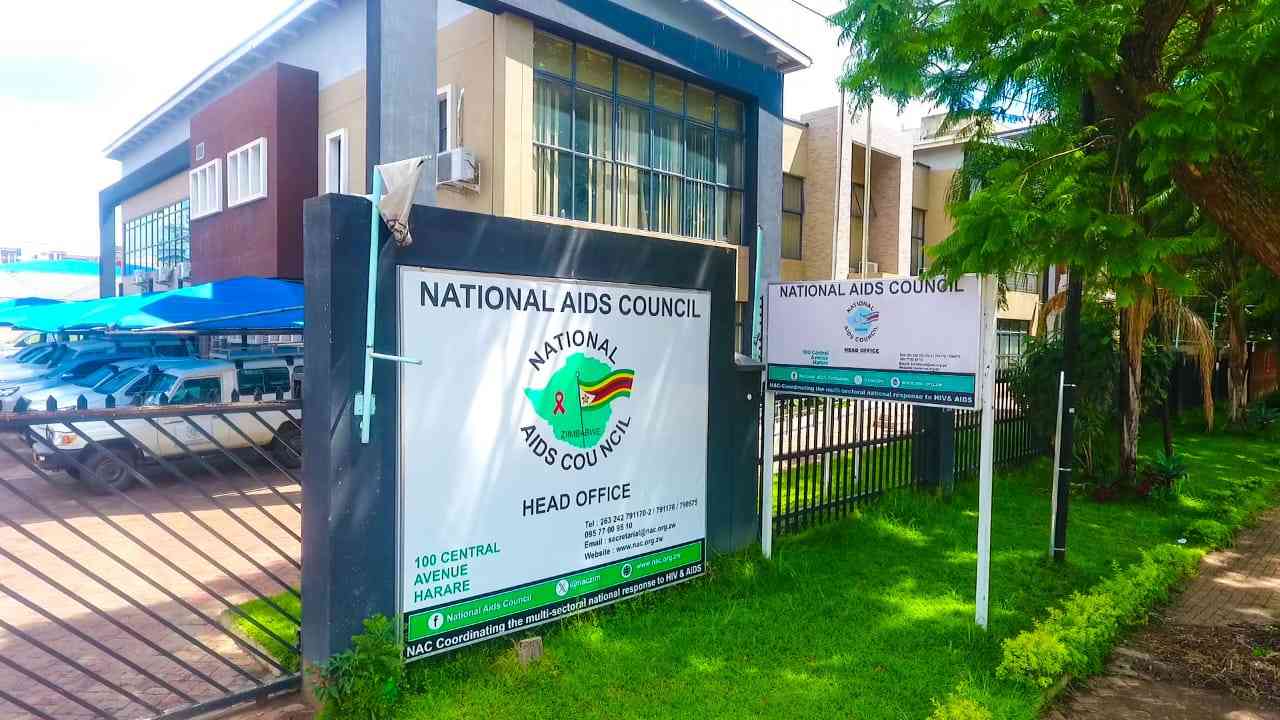
THE National Aids Council (NAC) says Zimbabwe remains on track to end Aids by 2030, despite reduced support from some international partners, including the United States government.
The council says it is intensifying prevention programmes and relying more on domestic funding sources such as the Aids Levy to sustain the national HIV response, even as some development partners scale back financial support.
Speaking at a media engagement meeting in Bulawayo yesterday, NAC provincial manager Sinatra Nyathi said Zimbabwe was in the “last mile” towards ending Aids by 2030 and stressed the importance of ensuring that no one and no place is left behind.
Nyathi acknowledged that some development partners had withdrawn funding, particularly from the US government, but said the council would continue implementing programmes using local resources and support from remaining partners.
According to Nyathi, the focus is on “high-impact but low-cost” interventions, especially prevention programmes aimed at eliminating mother-to-child transmission, reducing new HIV infections and promoting consistent condom use and behaviour change.
“I believe that four decades into the epidemic, people know and have information, but we now need behaviour change,” she said.
Nyathi said Zimbabwe’s greatest asset in the fight against HIV was its people, urging communities to share accurate information to help to prevent further spread of the virus.
She also highlighted progress in treatment programmes, saying Zimbabwe has surpassed the global 95-95-95 HIV targets for adults.
- LSU students win innovation prize
- Chevrons confident of a good finish
- LSU students win innovation prize
- Sunday word: God’s luni-solar calendar
Keep Reading
The targets mean that at least 95% of people living with HIV know their status, 95% of those diagnosed are on antiretroviral therapy and 95% of those on treatment are virally suppressed.
However, she noted that children remained a key challenge, saying efforts were underway to identify HIV-positive children early, place them on treatment, and ensure viral suppression.
Nyathi added that treatment served as a preventive strategy, as people living with HIV who adhere to antiretroviral therapy and achieve viral suppression are far less likely to transmit the virus.
She called on the media to continue disseminating accurate HIV and Aids information as the country works towards the 2030 target.
In February, Zimbabwe withdrew from negotiations on a proposed bilateral health memorandum of understanding (MoU) with the United States. The agreement would have unlocked US$367 million over five years to support priority health programmes, including HIV/Aids, tuberculosis, malaria, maternal and child health and disease outbreak preparedness.
According to the US government, the proposed MoU represented the largest potential health investment in Zimbabwe by any international funder and was based on a co-funding model designed to ensure sustainability and greater self-reliance.
The US said the arrangement would have required Zimbabwe to gradually increase its own health financing alongside US support, building on more than US$1,9 billion in health assistance provided since 2006, which contributed significantly to Zimbabwe achieving its UNAids 95-95-95 targets.