HARARE, Apr. 29 (NewsDay Live) – Stakeholders have warned that proposed amendments to SI 330/2000 could erode access to affordable care, weaken medical aid uptake and entrench inequities in Zimbabwe’s healthcare system.
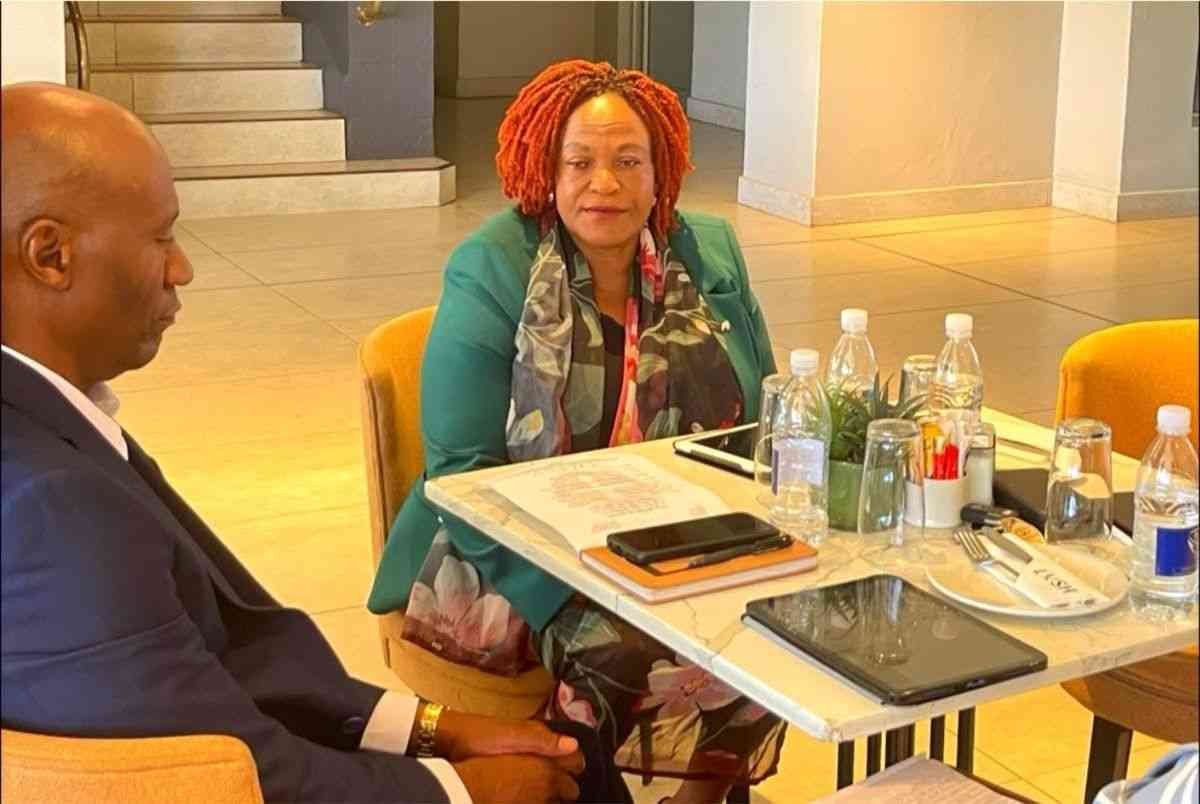
Speaking on the sidelines of a breakfast meeting, Association of Healthcare Funders of Zimbabwe (AHFoZ) chief executive Shylet Sanyanga said curtailing medical aid-owned facilities would strip members of a critical low-cost safety net.
“Access will shrink as members lose facilities offering care at lower prices,” she said. “It also weakens medical aids’ bargaining power on behalf of contributors.”
She noted that fund-owned facilities currently absorb patients who cannot meet steep shortfalls in private institutions an option likely to disappear under the proposed changes.
Concerns were also raised over discriminatory practices within the sector, with stakeholders warning that current models already segment patients by ability to pay a divide the reforms could deepen.
“This system risks formalising a two-tier structure where those on medical aid access better, faster care, while others are pushed into under-resourced pathways,” one participant said.
The Institute of People Management of Zimbabwe (IPMZ) cited workplace impacts, with representative Timotena Bishakai-Fett highlighting a case where a patient avoided a US$600 per night bill at a private hospital after transfer to a medical aid-owned facility, paying just US$30 after three days.
“That kind of cost protection is what is at stake,” she said.
- Exchange rate crisis hits medical aid societies
- Adapt to aid cut effects: AHFoZ
- Medical aid sector urges swift regulatory law
- Zim medical funds fight clinics sell-off
Keep Reading
Pensioners are particularly exposed. Masca chief executive Doug Bramson said many elderly members fear being priced out if shortfalls rise.
“A lot of pensioners will be affected. Many are already struggling with contributions,” he said.
Authority Health CEO Dr Sibu Imanjuku widened the lens, pointing to systemic exclusion beyond medical aid.
“When are we going to discuss the 92% of the population who are going home to die?” he asked, citing surgical fees of up to US$15 000 against average earnings of about US$250 a month.
Legal concerns also emerged, with participants arguing the proposals amount to a substantive policy overhaul that should go through full parliamentary scrutiny, not a statutory instrument.
Competition issues were flagged, with Confederation of Zimbabwe Industries representative Chinayazo Piri noting vertical integration is regulated not prohibited under Zimbabwe’s Competition Act.
Parliamentary Portfolio Committee on Health and Child Care chairperson Descent Collins Bajila said reforms must balance accountability, consumer protection and financial stability, while advancing universal health coverage.
“Today’s engagement is a consultative process,” he said.
Stakeholders called for wider consultations, warning that without inclusive input, the reforms risk reducing access, deepening segmentation in care, and undermining confidence in medical aid systems.