“I WAS young, but I still remember that day vividly. My brother had gone fishing as usual, but he never came back,” recalls Siabulimo Chigwambari from Chief Mola in Mashonaland West.
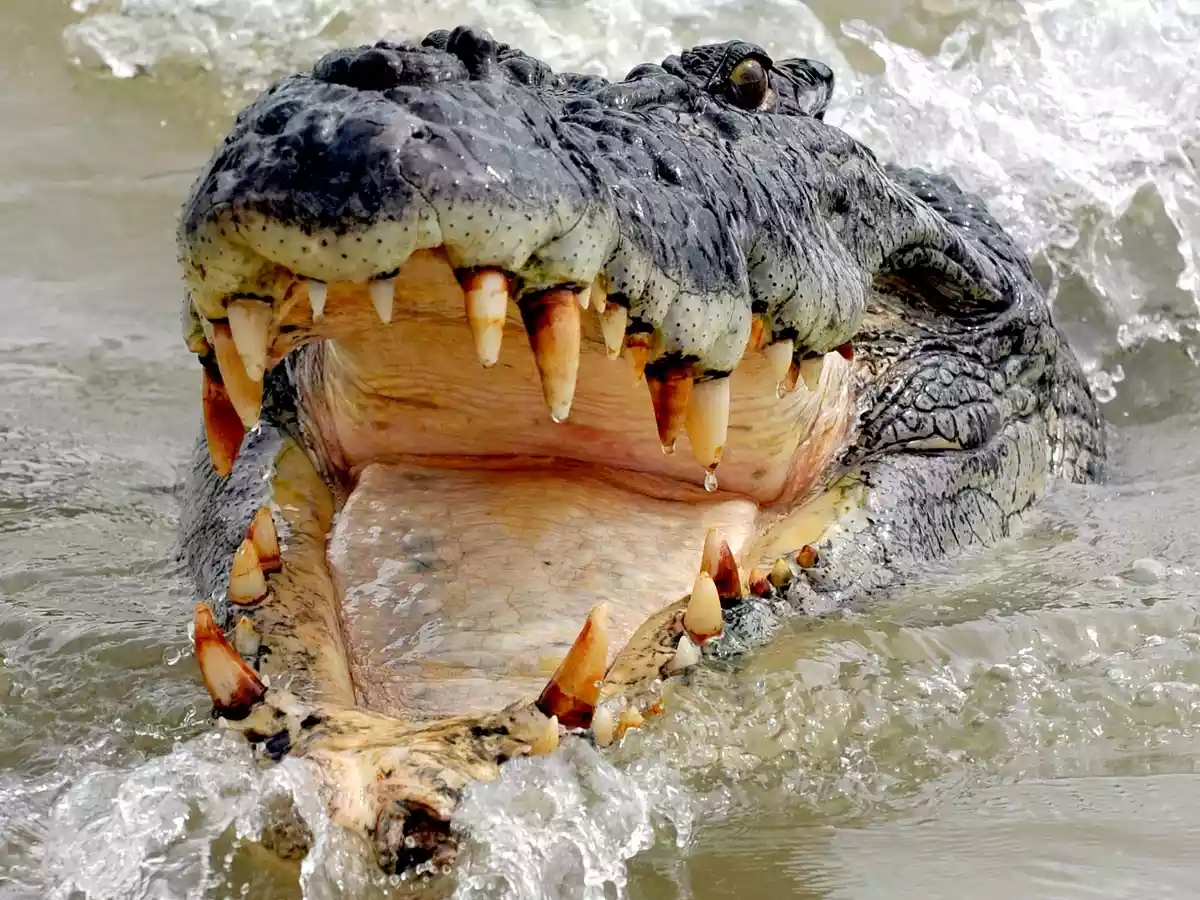
“He was attacked by a crocodile and died from the injuries. It took us two days to find his body. That was the worst experience of my life.”
Despite the tragedy that shattered his family, Chigwambari has followed in his brother’s footsteps — choosing the same dangerous
trade that once claimed his sibling’s life.
Fishing, he says, is not just a livelihood but often a gamble with death.
“Back then, we used to fish using nets in unsafe parts of the lake. There were frequent attacks by crocodiles and hippopotamuses,” he said.
Over the years, he has watched many fellow fishermen suffer similar fates, reinforcing the harsh reality of life along Lake Kariba.
However, repeated close encounters with deadly wildlife forced him to rethink his approach.
- ZRBF rescues hunger-prone communities
- Zim's 2022 human development ranking very low
- UN piles pressure on ED
- UNDP powers 1 000 rural clinics
Keep Reading
Today, Chigwambari is part of a safer, more sustainable solution — floating cage fish farming.
“This programme has changed everything,” he said.
“We no longer have to risk our lives in the water. I can now provide for my family without constantly fearing that I will be killed like my brother.”
In Zimbabwe, crocodiles account for more than half of all wildlife-related human deaths.
Many of these incidents occur when people are fishing, bathing, or washing in rivers and lakes.
Between 2016 and 2023, at least 32 lives were lost to crocodile attacks along Lake Kariba, particularly between the Sanyati River and the dam wall.
Most of the victims were fishermen.
Yet for many communities living along the lake, the danger is outweighed by economic necessity.
With limited employment opportunities — often exceeding 90% unemployment in some lakeside villages — residents are forced to fish in hazardous waters to survive.
Recognising these risks, the United Nations Development Programme (UNDP) has introduced floating cage aquaculture as a safer alternative.
Speaking during a recent site visit to Kariba, UNDP resident representative Ayodele Odusola said the initiative is part of a broader effort to diversify livelihoods.
“We want to move people away from reliance on basic crop farming and into areas like aquaculture,” he said.
“This is also about reducing the risks associated with fishing in the lake, where we are told that an average of 40 to 50 people are killed by crocodiles each year.”
The floating cage system is designed to eliminate direct contact between fishermen and dangerous wildlife.
Since its introduction, there have been no recorded attacks linked to the programme.
“It also brings fish farmers together into associations,” Odusola added.
“This allows them to access markets, buy inputs in bulk, and improve their incomes.”
Gilbert Mugwagwa, community development liaison officer for the Matusadona Conservation Trust, said the organisation is working to enhance both safety and productivity.
“These cages are about five metres deep and are securely anchored. The fish remain inside, and fishermen do not have to enter the water,” he explained.
“This significantly reduces the risk of encountering crocodiles and hippos. It is a much safer method of fish farming.”
Floating cages are large, enclosed pens moored in the lake, where fish such as tilapia are raised from fingerlings to market size.
Each cage costs about US$24 000, making them a significant but worthwhile investment.
At Musamba Fishing Camp, near the Ume River mouth in Matusadona National Park, six cages have been installed under a US$144 000 project.
So far, three are operational, housing more than 73 000 fingerlings.
When fully rolled out, the project is expected to benefit around 171 fishing households and produce up to nine tonnes of fish in a single four-month cycle.
Beyond safety, the initiative is transforming livelihoods.
It is shifting communities away from unregulated, high-risk fishing practices towards structured and sustainable aquaculture.
For fishermen like Chigwambari, the change is life-saving.
What was once a daily confrontation with death has become a safer, more stable source of income.
The memory of his brother’s tragic death remains, but it now fuels a determination to embrace safer methods and protect future generations.
In the end, the floating cages represent more than just a new way of farming fish — they offer hope, dignity, and, most importantly, a chance to survive.