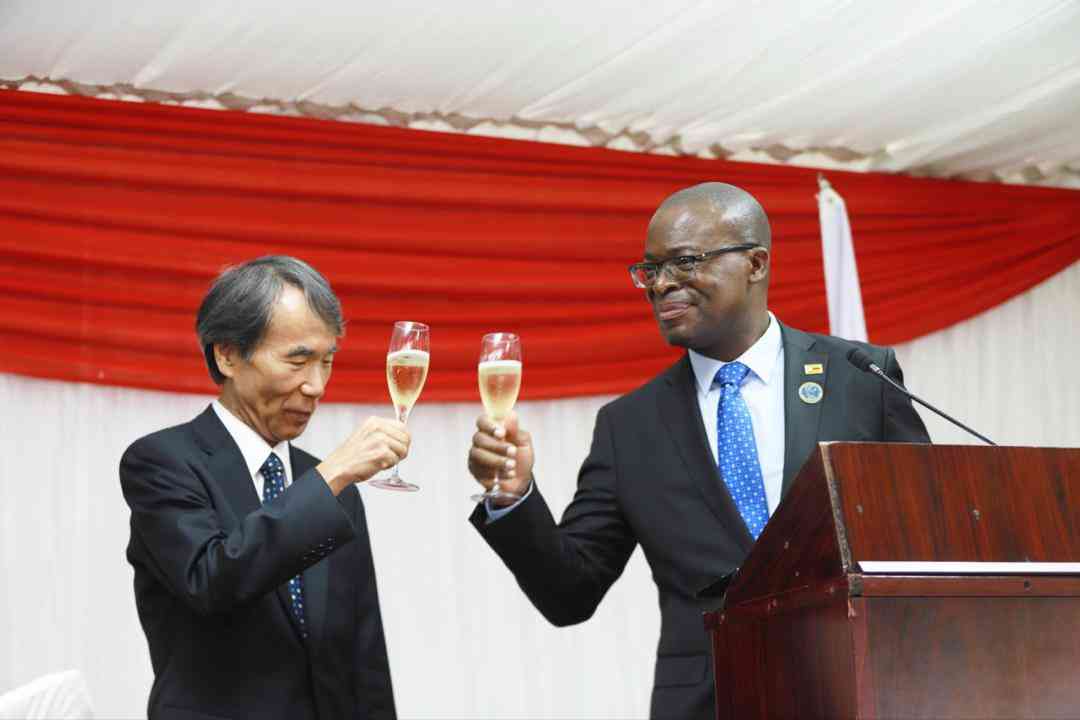
Japan’s new ambassador to Zimbabwe, Nobutaka Maekawa, says his country is keen to strengthen relations with Harare through technology-driven initiatives, including artificial intelligence.
Speaking during celebrations for Emperor Naruhito’s birthday, Maekawa said the two countries would also deepen economic cooperation and promote trade.
“I look forward to promoting our longstanding friendly relationship and close cooperation that Japan and Zimbabwe have deepened since independence across various fields and opportunities,” he said.
Maekawa added that Japan intends to expand cooperation in trade and technology while encouraging greater participation by private companies.
“Zimbabwe is now at a critical juncture as the country embarks on the National Development Strategy 2 under the scope of Vision 2030,” he said.
“Deepening economic ties and promoting private business has become an essential global trend, which was clearly highlighted at the Osaka Expo and TICAD9.”
He said Japan would continue supporting Zimbabwe in addressing key economic and social challenges in partnership with the Japan International Cooperation Agency (JICA) and other international organisations.
Maekawa said assistance would include grassroots programmes aimed at empowering women, children and rural communities.
- Looming showdown between teachers, Govt
- In the groove: ‘Devera Ngwena’ resurfaces at GZU graduation ceremony
- Project tackles sexual rights at colleges
- Looming showdown between teachers, Govt
Keep Reading
Foreign Affairs and International Trade minister Amon Murwira said Zimbabwe would prioritise diplomacy anchored on economic cooperation and international partnerships.
“Our foreign policy is anchored on goals that enhance bilateral cooperation with the government and people of Japan. Our relationship remains strong, friendly and continues to deepen,” Murwira said.
“Zimbabwe will pursue the doctrine of friend to all and enemy to none, while prioritising diplomacy through economic cooperation, trade and international interdependency as tools for peace, security and development.”