MALARIA cases in Mashonaland West have surpassed the 2 000 mark since January, with eight deaths recorded, raising fresh concerns over the province’s preparedness as Zimbabwe adjusts to the withdrawal of United States health sector support.
According to the latest Mashonaland West Malaria Outbreak Situation Report as of March 2, 2026, cumulative cases have reached 2 018, with 30 new infections recorded in the past 24 hours.
The surge comes as Zimbabwe recalibrates its health financing and disease surveillance systems following the collapse of talks that would have unlocked US$367 million in support over five years. The funding — previously backed by the United States — underpinned key disease prevention, monitoring and treatment programmes, including malaria interventions.
The new infections were recorded in Hurungwe (21), Sanyati (4), Makonde (3) and Kariba (2). No cases were reported among children under five or pregnant women in the past days.
Mashonaland West has seven districts, with Kariba, Hurungwe, Makonde and Sanyati classified as malaria control districts, while Mhondoro-Ngezi, Chegutu and Zvimba fall under malaria elimination programmes.
Health authorities say the incidence remains below one case per 1 000 people across all districts, indicating that the outbreak, though significant, remains within manageable levels.
However, the rising figures come after talks between the government and the United States collapsed. The world’s biggest economy is withdrawing funding for the health sector. The US previously supported disease surveillance, prevention and treatment programmes, including malaria interventions.
Provincial health officials say surveillance systems remain active, with community health workers conducting door-to-door monitoring supported by local health facilities.
- Zanu PF 'threatens' terror attacks
- Former Zanu PF bigwigs eye return
- Co-operate to curb malaria, Mash West farmers urged
- Zacc arrests Mashwest acting director for abuse of power
Keep Reading
Health workers have been alerted and cases and deaths are being tracked using threshold graphs, spot maps and line lists. In elimination districts, case investigations are ongoing to curb further transmission.
A suspected malaria case is defined as any person who lives in or has travelled to a malaria-endemic area within the past six weeks and presents with fever, chills and malaise without signs of severe disease.
Confirmation requires laboratory diagnosis through blood slide microscopy or rapid diagnostic tests. Severe cases involve confirmed Plasmodium falciparum infection with serious symptoms requiring hospitalisation.
While provincial authorities maintain that the situation is under control, public health experts warn that sustained funding and robust surveillance will be critical as the peak malaria transmission season continues.
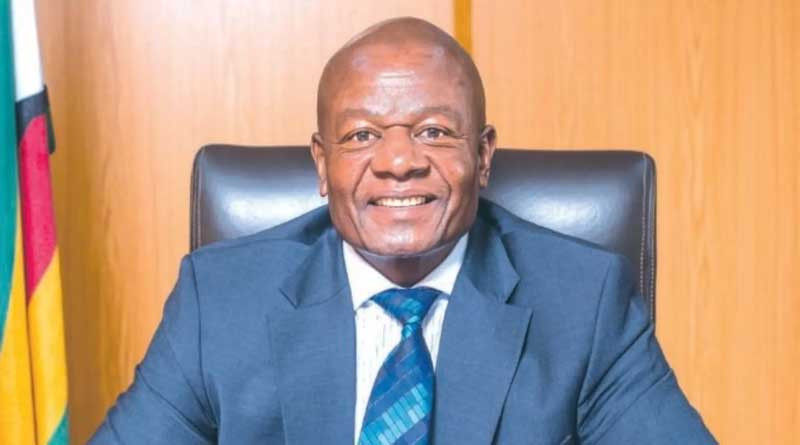
Former Health minister Henry Madzorera said Zimbabwe must prioritise self-sufficiency in health financing.
“It’s fine for donors to start going out. Remember in 2010 we came up with a Health Transitional Fund, but it was abandoned in 2013 and we are still dependent on the United States, and it’s not good,” he said.
Opposition legislator Charlton Hwende argued that Zimbabwe has the capacity to fund its health sector if revenue leakages are addressed.
“US$367 million over five years? That’s a joke. With the way the price of gold is going, if we eliminate leakages in the selling of gold, we can fund our own health sector,” he said.
“We don’t need conditional aid; we need accountability. Plug the gold leaks, secure our revenues and fund our own people’s health.”
Political commentator Mlungisi Dube said while sovereignty was important, Zimbabwe might not yet be ready to shoulder the full burden of financing major public health programmes.
“As we assert sovereignty, this is the time the Aids levy, sugar tax, fast-food tax, airtime levy and other health-related revenues must be transparently and effectively deployed to finance our health system,” Dube said.