The Ministry of Local Government and Public Works has approved Mutare City Council’s ZiG2,5 billion budget for 2026, clearing the way for infrastructure upgrades, improved service delivery and tariff adjustments.
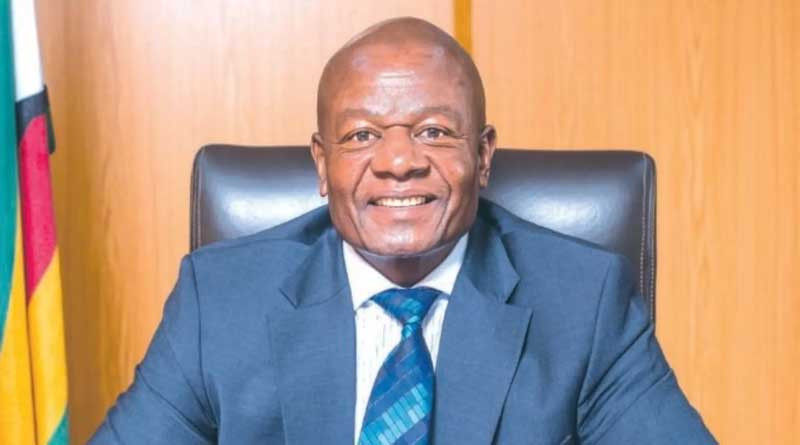
Town clerk Blessing Chafesuka announced the approval at a Press conference yesterday, describing the process as one of the most consultative in the city’s history.
“We received confirmation this week from our parent ministry regarding the approval of our 2026 budget. It was a wider consultation process and we implemented recommendations from all sectors,” he said.
The budget was shaped by extensive public engagement, with 75% of residents endorsing the proposals during consultations, while 25% opposed them.
In collaboration with resident groups — including the United Mutare Residents Trust, Mutare Residents and Ratepayers Association and the Mutare Informal Traders Association — the council conducted door-to-door consultations that drew more than 25 000 residents, a marked increase from previous years.
A 10-day budget exercise led by the council’s budget committee incorporated representatives from key sectors and utilised digital, real-time data collection to capture residents’ priorities, signalling a shift from traditional consultation methods.
The budget process featured a 10-day exercise led by the council's budget committee, which included members from various key sectors and employed digital, real-time data collection methods to gather input on budget priorities—marking a shift from traditional, less-inclusive approaches.
“This is the budget for the people of Mutare. The output reflects the views of our residents and stakeholders. While we acknowledge dissenting opinions, the consensus reached ultimately drove the budget's outcome,” Chafesuka said.
- Hwange to institute legal action against defaulters
- Zupco on cusp of collapse
- Timely disburse devolution funds, govt urged
- Mutare plans to reduce 55K housing backlog
Keep Reading
In line with prevailing economic conditions, the budget provides for tariff adjustments aligned with Reserve Bank of Zimbabwe inflation rates.
Chafesuka said rising costs of water treatment chemicals and the need to maintain water quality and supply were key drivers behind the increases.
The 2026 budget prioritises major service delivery projects, including construction of Hobhouse Clinic, servicing of Beira Corridor stands and procurement of essential equipment — two refuse trucks, two tipper trucks, a grader and a paver — to strengthen waste management and road maintenance.
“We aspire to maintain a 100% refuse collection rate and uninterrupted solid waste coverage, ensuring effective waste management services,” he said.
Plans are also underway to establish a new service station in Sakubva and expand the city’s ranger programme to curb illegal land use affecting sewer infrastructure.
The council further intends to partner government in constructing a drug and substance abuse rehabilitation centre.
Despite limited funding from the Zimbabwe National Road Administration, council says it remains committed to improving road conditions.
“Our goal is to raise trafficability from 57,8% to 60%,” Chafesuka said, highlighting the city’s ongoing struggles with road maintenance.
On licensing, the council has aligned its 2026 framework with government directives under the ease-of-doing-business initiative, resulting in reduced licensing tariffs.
Sports infrastructure is also set for a boost, with plans to construct the Chikanga Sports Complex and Dangamvura sports grounds. Work on Sakubva basketball and tennis courts is already underway.
The approved budget signals council’s renewed push to improve service delivery while balancing economic pressures and resident expectations.