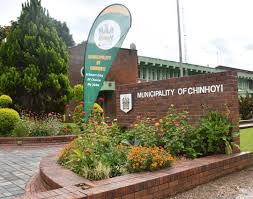
THE Local Government and Public Works ministry has approved the Chinhoyi Municipality 2026 budget on condition it clears outstanding salary arrears.
In a letter signed by acting permanent secretary Elliot Ngwarati, the ministry outlined key requirements the local authority must meet following the approval.
Council has been directed to
prioritise and fully liquidate outstanding salaries within the first quarter of 2026.
The municipality is also required to ensure the effective and optimal utilisation of its Enterprise Resource Planning (ERP) system in order to strengthen revenue generation and improve collection efficiency.
“The Ministry of Local Government and Public Works has approved the 2026 budget for Chinhoyi Municipality with the following conditions,” the memo read.
“The council must liquidate salary arrears, prioritised in the first quarter of 2026, and ensure optimum use of the ERP modules to enhance revenue generation and collection.”
The ministry indicated that compliance with these conditions, together with other governance and financial management matters, will be closely monitored throughout the year.
- Councils big shots in serious trouble
- Councils big shots in serious trouble
- Council workers threaten strike
- Kadoma council employees down tools
Keep Reading
“Council is advised that stringent monitoring of these issues and other matters will be conducted on a quarterly basis during the course of the year.”
Council workers welcomed the ministry’s decision to attach the liquidation of salary arrears to the approval of the 2026 budget.
One council worker, who spoke on condition of anonymity for fear of victimisation, said the ministry directive brought renewed hope.
“We are happy with the ministry’s decision because our management and councillors have been prioritising council trips that benefit them, while we continue to wallow in poverty,” the worker said.
Combined Chinhoyi Residents Association chairperson Tendayi Musonza said the decision showed sensitivity to workers’ plight.
“Council management and councillors have developed a habit of creating trips from which they benefit through travel and subsistence allowances,
yet workers remain unpaid,” Musonza said.
Council sources indicated that workers are owed salaries ranging from four to eight months, depending on grade.