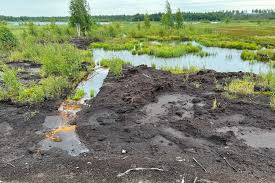
GOVERNMENT has called for a coordinated, whole-of-community approach to protecting and rehabilitating Zimbabwe’s wetlands, as the nation targets restoring 250 000 hectares of degraded wetlands by 2030.
The intervention comes amid growing alarm that unchecked wetland destruction is worsening water shortages, increasing flood risks and undermining ecosystems that millions of Zimbabweans depend on for agriculture, fishing and domestic water supplies.
Zimbabwe joined the rest of the world on Monday in marking World Wetlands Day, amid mounting concern over the continued destruction of wetlands through illegal settlements, farming activities and unchecked land degradation.
Wetlands, often described as nature’s natural water filters, are essential for water purification, flood control, biodiversity conservation and sustaining rural livelihoods.
Authorities warn that persistent encroachment is stripping these ecosystems of their ecological and economic value.
Government officials and environmental stakeholders highlighted the importance of adopting a whole-of-government and whole-of-community approach to environmental protection.
“Zimbabwe has committed to restoring 250 000 hectares of degraded wetlands and to designate five new Ramsar sites by 2030, adding to the seven we already have. Achieving these commitments requires collective action from all sectors, Government, private sector, civil society, academia and local communities,” Environment, Climate and Wildlife secretary Tedious Chifamba, said.
The International Fund for Animal Welfare (IFAW) also stressed the need to consider wildlife in wetland restoration efforts.
- Govt incentive divides teachers
- Construct fireguards around your property
- Construct fireguards around your property
- ‘Mid-term budget must address issues affecting masses’
Keep Reading
“As we continue to discuss ways of restoring our wetlands, let us also take into account the role that wildlife plays,” IFAW communications officer, Luckmore Safuli, said.
Executive director for The Conservation Conversation, Rumbidzai Takawira, highlighted that communities are the lifeblood of environmental protection and conservation.
“They are the custodians and the guardians. If we are talking about wetlands, they are the ones who live around these areas and they also gain benefits from living around these areas,” she said.
Traditional leaders reiterated their commitment to safeguarding wetlands, emphasising the role of community leadership in environmental conservation.
“As traditional leaders, we will continue to play our part in preserving our wetlands and culture. We continue to implore our village heads to punish those caught destroying and evading our forests,” Chief Nemakonde said.
Chief Ngezi added: “We continue to warn our village heads to desist from illegally selling land, especially grazing lands and wetlands. They also carry deep significance and occupy space in our cultural norms and beliefs.”