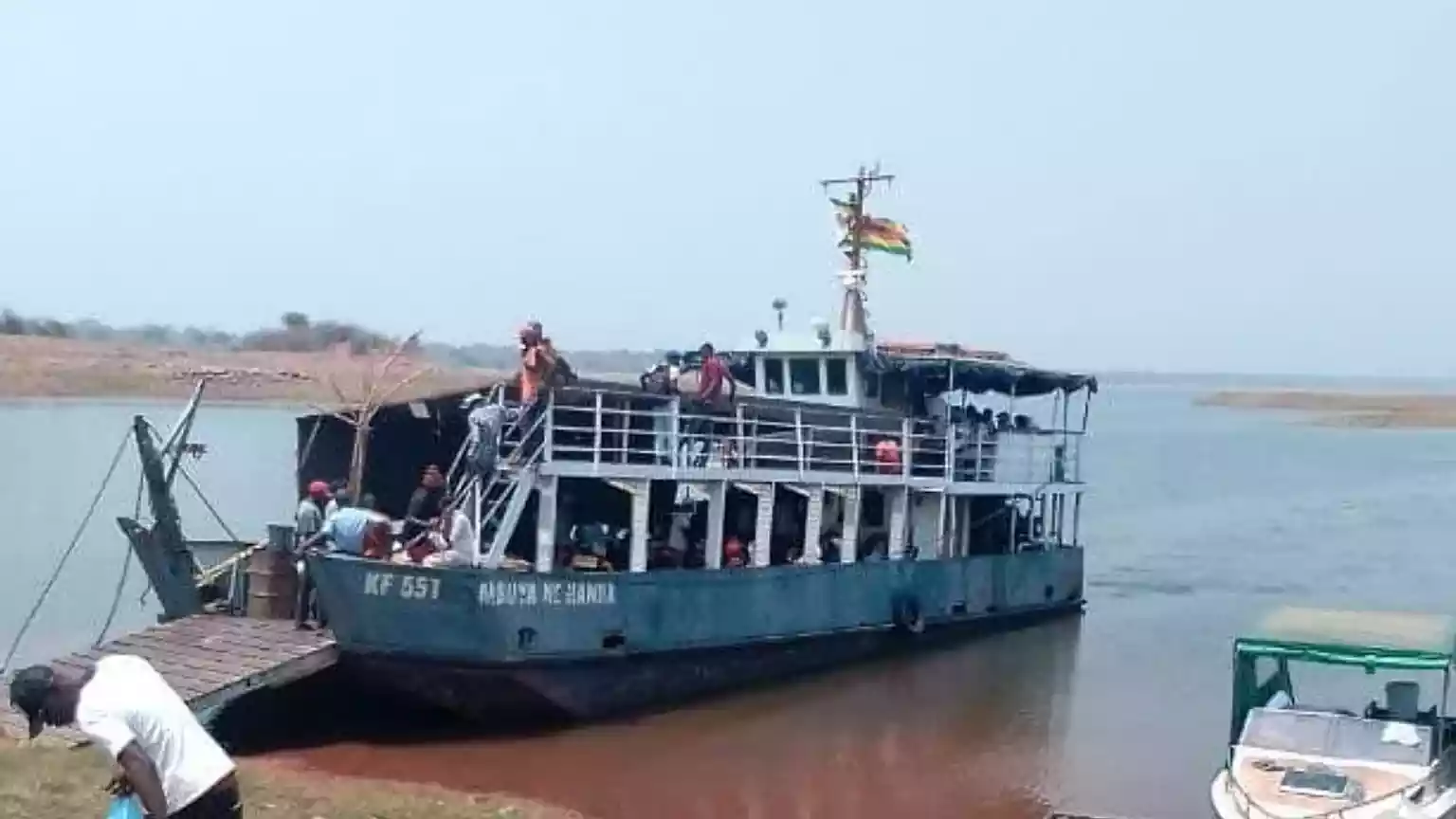
AT least 44 people are confirmed dead after the Lake Kariba ferry disaster on Tuesday.
The ferry, Mbuya Nehanda KF551, operated by the Rural Infrastructure Development Agency (RIDA), capsized amid strong waves. It was built to carry 90 passengers and five crew. It reportedly carried around 120, including children. Videos circulating online raise further questions about the vessel’s condition.
President Emmerson Mnangagwa on Wednesday ordered maritime safety agencies and security forces to “immediately overhaul and fix the deficiencies in our maritime capabilities”.
But Zimbabweans have heard this kind of pledge before. The real question is whether it will be honoured — or filed away like every audit that came before it.
Because this tragedy was not unforeseeable. It was unheeded.
RIDA, formerly the District Development Fund (DDF), is under the Office of the President and Cabinet. It is responsible for infrastructure development, water supplies, roads and equipment hire — the physical backbone of rural service delivery. Its job is not just to build. It includes maintaining, inspecting and accounting for what it is given.
The Auditor-General’s 2022 audit of DDF gave the fund a clean opinion. But a clean audit is not proof of good management — and this one exposed exactly the kind of neglect that should worry a country now grieving over 44 deaths.
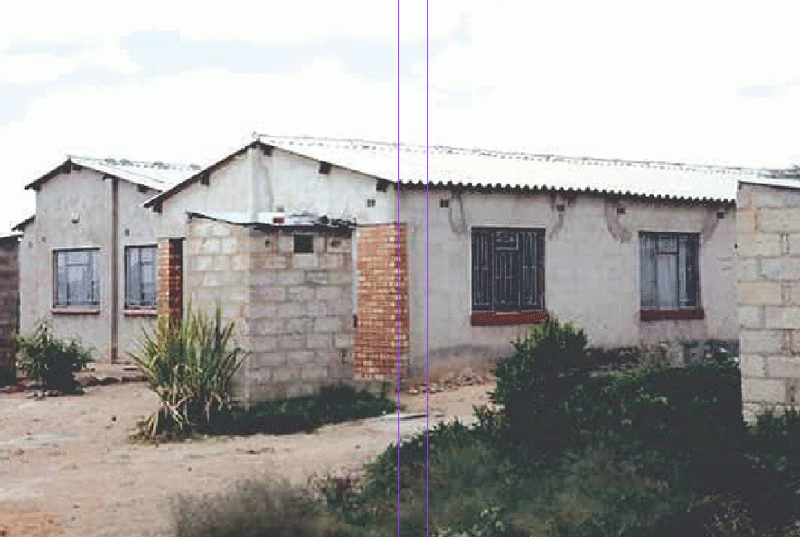
Inspectors found DDF stores and workshops in Goromonzi and Hwedza crumbling, characterised by cracked walls, missing roofs, doors and windows, with no evidence anyone was regularly checking on them. The Auditor-General warned plainly: left unaddressed, these conditions can cost lives.
- Mr President, you missed the opportunity to be the veritable voice of conscience
- ED to commission new-look border post
- Zanu PF ready for congress
- EU slams Zim over delayed reforms
Keep Reading
That warning still stands.
To be clear: the audit says nothing about the ferry itself and nothing here proves a direct link. The failure is institutional, not anecdotal. A government that lets its buildings collapse in silence is a government training itself not to notice risk before it becomes catastrophe.
The same audit found 132 980 litres of diesel and 1 000 litres of petrol — worth roughly US$237 933 at the time — missing from the fuel register, unrecorded because no senior officer had reviewed it. Money owed to the fund went uncollected. And of five recommendations from the prior audit, only two were fully implemented. One was partly attended to. Two were ignored outright.
This is the pattern Zimbabwe must break: Commissioning oversight means nothing if its findings are shelved year after year.
It gets worse. RIDA’s most recent audited accounts are for year 2023 — and that audit is still in progress. Its 2024 and 2025 accounts haven’t even reached the Auditor-General’s office. Zimbabweans have no current, independent record of how an agency responsible for infrastructure that people's lives depend on is being run.
No accident is automatically proof of corruption or mismanagement — that would be reckless to claim. But weak systems build blind spots. Delayed maintenance, unassessed risk, ignored recommendations and overdue accounts don’t cause disasters directly — they just make sure nobody sees them coming.
The Kariba disaster demands more than an investigation into what happened on the water. Authorities must establish the ferry’s maintenance history, inspection and certification records, passenger manifest, safety equipment, crew qualifications and — critically — who authorised the voyage. Zimbabweans deserve to know what was known about that vessel’s condition before it left the dock and who was responsible for knowing it.
Zimbabwe knows how to investigate after the fact. What it has never mastered is preventing the fact in the first place.
State capacity isn’t measured by how many agencies exist or how many projects get announced. It’s measured by whether those agencies can do their job safely. The country doesn’t need another report cataloguing what went wrong once the bodies are counted. It needs a State that acts on warnings, while they are still warnings — not after they have become funerals.