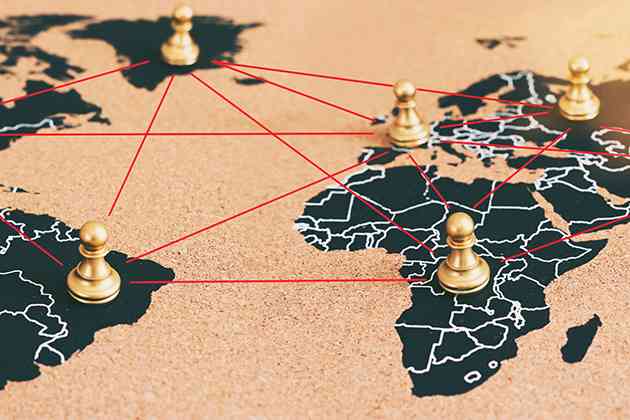
GEOPOLITICAL tensions, rising protectionism and bitter trade wars have left many African economies vulnerable to forces beyond their control.
The continent stands at a defining crossroads. The old model — where African nations operated as isolated economies competing for aid, markets and foreign favour — is proving increasingly unsustainable. Today, unity is no longer merely a Pan-African aspiration. It is an economic, political and strategic necessity.
Powerful nations are retreating behind protectionist walls. Supply chains are being weaponised, while access to technology, capital and markets is increasingly shaped by geopolitical alliances rather than fairness. In such an environment, individual African States cannot effectively negotiate with global powers on equal terms.
But a united Africa can.
Collectively, Africa represents more than 1,4 billion people, vast mineral wealth, immense agricultural potential and the world’s youngest population. Divided, these strengths are diluted. United, they become a transformative power.
Yet contradictions persist.
Xenophobic attacks targeting fellow Africans fly directly in the face of African unity and solidarity. Such violence undermines decades of Pan-African rhetoric and exposes the fragile foundations of continental integration.
Even Africa Day reflects this contradiction. Since the creation of the former Organisation of African Unity, now the African Union, only a handful of countries have designated May 25 a public holiday. If African nations themselves do not fully honour this historic day, who else will?
- Africa is paying dearly for the Russian/Ukraine conflict
- Power cuts: Zesa sleeping on duty
- Emcoz congress set for this week
- Africa risks losing out on trade ... as rich countries cement relationships with trusted partners
Keep Reading
Colonial borders continue to divide Africans more than unite them. Restrictive visa regimes often make it easier for visitors from Europe and the United States to move across African countries than for Africans themselves.
That contradiction remains difficult to justify.
The recent decision by Togo to remove visa requirements for African nationals, following criticism after delegates attending the Biashara Afrika forum reportedly faced difficulties at immigration, highlights both the challenges and opportunities surrounding continental mobility.
Africa also faces a growing youth crisis. What should be a demographic dividend risks becoming a demographic time bomb if governments fail to create jobs and opportunities.
Every year, thousands of young Africans perish in the Mediterranean seeking better opportunities abroad. Yet Africa’s youth are increasingly demanding accountability, inclusion and economic justice. From Kenya to other parts of the continent, young people are refusing to remain bystanders in shaping Africa’s future.
Despite these hurdles, there is progress.
Intra-African trade is steadily rising, largely driven by the African Continental Free Trade Area (AfCFTA), the world’s largest trading bloc by participating countries. The agreement creates a market of more than 1,3 billion people and a combined GDP exceeding US$3,4 trillion.
Intra-African trade reached about US$220 billion last year and is expected to continue growing. Equally encouraging is the strong political commitment towards AfCFTA, with 50 out of Africa’s 55 countries having ratified the agreement.
A fully integrated African market offers perhaps the clearest pathway towards economic transformation. Rather than remaining exporters of raw materials and importers of expensive finished products, African economies can build regional value chains that create industries, jobs and prosperity within the continent.
But economic integration alone is not enough.
Africa must also unite politically and diplomatically. The continent has repeatedly paid the price for division. Whether in climate negotiations, debt restructuring, global trade talks or reform of international financial institutions, Africa often arrives fragmented while other blocs negotiate strategically with one voice.
No region has advanced globally in disunity. Europe strengthened itself through integration, while Asia rose through coordinated industrial growth and regional co-operation. Africa cannot remain politically divided and expect economic transformation.
Unity is equally critical for peace and stability.
History has repeatedly shown that Africa bears the economic consequences of geopolitical tensions elsewhere. The Russia-Ukraine war disrupted food supplies, fertiliser imports and energy prices. Rising tensions in the Middle East threaten further instability, with African economies once again likely to suffer the consequences.
These realities show that African integration is no longer optional — it is an urgent necessity.
Foreign powers, donor conferences or endless summits will not secure Africa’s future. It will be secured when African nations recognise that their greatest strength lies not in standing apart, but in standing together.