THIS week, it emerged that Zimbabwe rejected a United States health deal that would have provided US$367 million over five years, citing concerns over Washington’s demand for access to sensitive data.
According to a leaked December 2024 memo, President Emmerson Mnangagwa considered the proposed agreement “lopsided”.
Information secretary Ndavaningi Mangwana said the US was seeking access to biological samples for research and possible commercial gain, without promising equitable sharing of future benefits such as vaccines and treatments.
On the other hand, US ambassador Pamela Tremont has pointed out that Washington has channelled more than US$1,9 billion into Zimbabwe’s health sector over the past two decades.
The diplomatic disagreement has triggered unease across the country.
And understandably so.
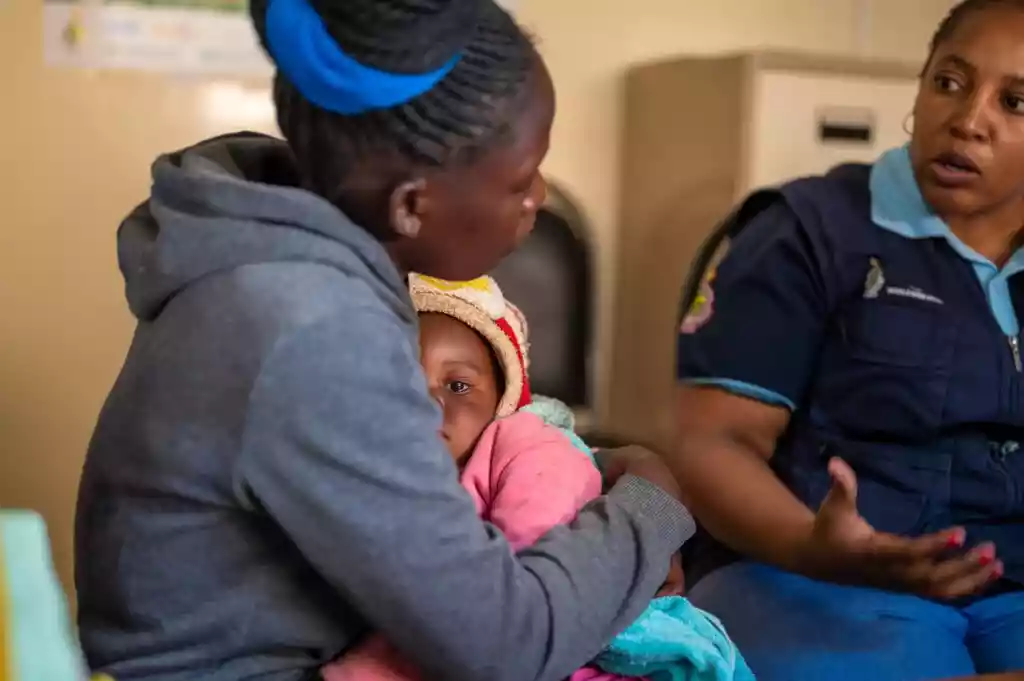
For years, Zimbabwe’s healthcare system has leaned heavily on foreign assistance — particularly in programmes targeting HIV and Aids, tuberculosis, malaria, and maternal health. Rural clinics, in particular, operate largely on donor-funded supplies, medicines and support staff.
Remove or significantly reduce that funding and the cracks in the system widen immediately.
- Econet to use Buddie Beatz app to grow local music
- Edutainment mix: The artist in the child policy formulation context
- Parly caucus on PWDs mooted
- Health Talk: National Health Insurance can foster better solutions
Keep Reading
The debate over sovereignty, data protection and equitable benefit-sharing is legitimate.
No country should sign away sensitive biological data without clear safeguards.
No government should accept terms that compromise national interests.
But the deeper issue exposed by this fallout is Zimbabwe’s chronic underfunding of the health sector.
The panic stems from a harsh reality: the country is overly dependent on external goodwill to keep its clinics functioning.
When a major donor deal collapses, communities tremble.
That is not sustainable policy, but vulnerability.
Successive budgets have consistently allocated less than the target set under the Abuja Declaration, where African Union member States pledged to dedicate at least 15% of national budgets to health.
Zimbabwe has fallen short year after year.
The result is predictable — overstretched hospitals, drug shortages and reliance on partners to fill the gap.
Donor funding should complement domestic resources, not substitute for them.
If Zimbabwe had built a resilient, adequately financed healthcare system, the rejection of the US$367 million deal — while significant — would not have provoked existential fear about the collapse of rural clinics.
The fact that it does speaks volumes.
Health security is national security.
A country that cannot fund its own essential medicines, laboratory services and disease surveillance systems leaves its citizens exposed to both pandemics and geopolitical pressure.
Dependence narrows negotiating space.
This moment should, therefore, serve as a wake-up call.
The government must urgently increase domestic health financing, ring-fence health levies and ensure transparency in how funds are spent.
Citizens have long tolerated sin taxes and health-related levies on the understanding that the proceeds strengthen hospitals and clinics.
That trust must be honoured.
Zimbabwe has every right to demand fair terms in international agreements.
But it also has a responsibility to ensure that its healthcare system does not hinge on foreign decisions.
Adequate health funding is not a luxury. It is not a favour. It is a constitutional obligation.
Until Zimbabwe can stand firmly on its own fiscal feet in healthcare, every diplomatic disagreement will carry the risk of becoming a public health crisis.
And that is a position no sovereign nation should accept.