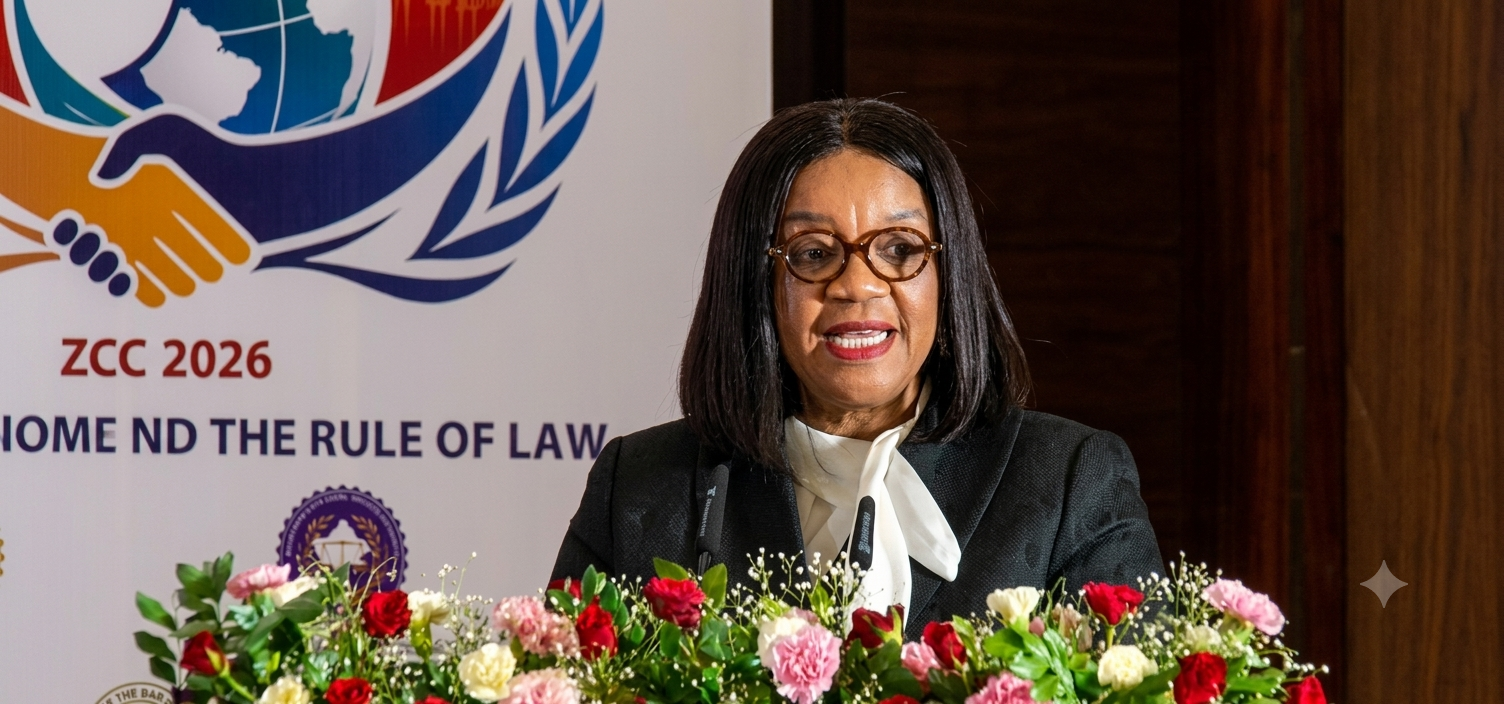
HARARE, Aug. 3 (NewsDay Live) – Zimbabwe has urged Commonwealth countries to adopt a more restorative approach to criminal justice, arguing that punishment alone is often insufficient to repair harm, support victims and rebuild communities.
Speaking during the Commonwealth Peace Mediation Conference 2026 in Jaipur, India, Secretary for Justice, Legal and Parliamentary Affairs Vimbai Nyemba said justice systems should move beyond determining which law had been broken and what punishment should follow.
Instead, she said, they should also focus on who had been harmed, what victims needed and how the damage caused by crime could be repaired.
“Restorative justice is not justice replacing punishment. It is justice asking whether punishment alone is enough,” Nyemba told delegates.
The conference, held under the theme Strengthening Mediation and the Rule of Law, has brought together judges, attorneys-general and legal experts from 52 Commonwealth countries, including Zambia, Kenya, Eswatini, Malaysia and the United Kingdom.
Delegates are expected to adopt the Jaipur Peace Mediation Declaration 2026, setting out shared principles for mediation, conflict resolution and access to justice across the Commonwealth.
Nyemba said Zimbabwe’s Constitution provides a strong foundation for restorative justice while safeguarding due process, citing provisions guaranteeing the right to a fair hearing before an independent and impartial tribunal, as well as constitutional recognition of mediation and alternative dispute resolution.
She stressed that restorative justice should complement, rather than replace, the criminal justice system, with the State retaining responsibility to investigate offences, prosecute offenders and protect the public interest.
- Letter to my people: Mthuli Ncube is mounting a dead horse
- Arbitration insights: The origins of commercial arbitration
- News in depth: Mnangagwa administration elbows out British investor under a cloud
- Letter to my people: Mthuli Ncube is mounting a dead horse
Keep Reading
Nyemba highlighted Zimbabwe’s Pre-Trial Conference process, which allows prosecutors and defence lawyers to narrow disputed issues and explore restorative options where appropriate.
She also pointed to correctional reforms, including the Pathways to Reintegration Foundation, which provides mentorship and reintegration support for former offenders after their release.
Nyemba said meaningful justice sector reform required collaboration between the courts, law enforcement agencies, traditional leaders and civil society.
“A justice system focused only on punishment risks failing to heal, while one focused only on reconciliation risks failing to protect,” she said.