BULAWAYO councillors have intensified calls for the immediate implementation of the long-awaited Glassblock Dam project, arguing that the city can no longer afford delays as recurring water shortages continue to affect residents and hinder economic growth.
During a recent full council meeting, the councillors emphasised the urgent need to move beyond consultations and approvals towards construction, describing the dam as a critical solution to Bulawayo’s chronic water challenges.
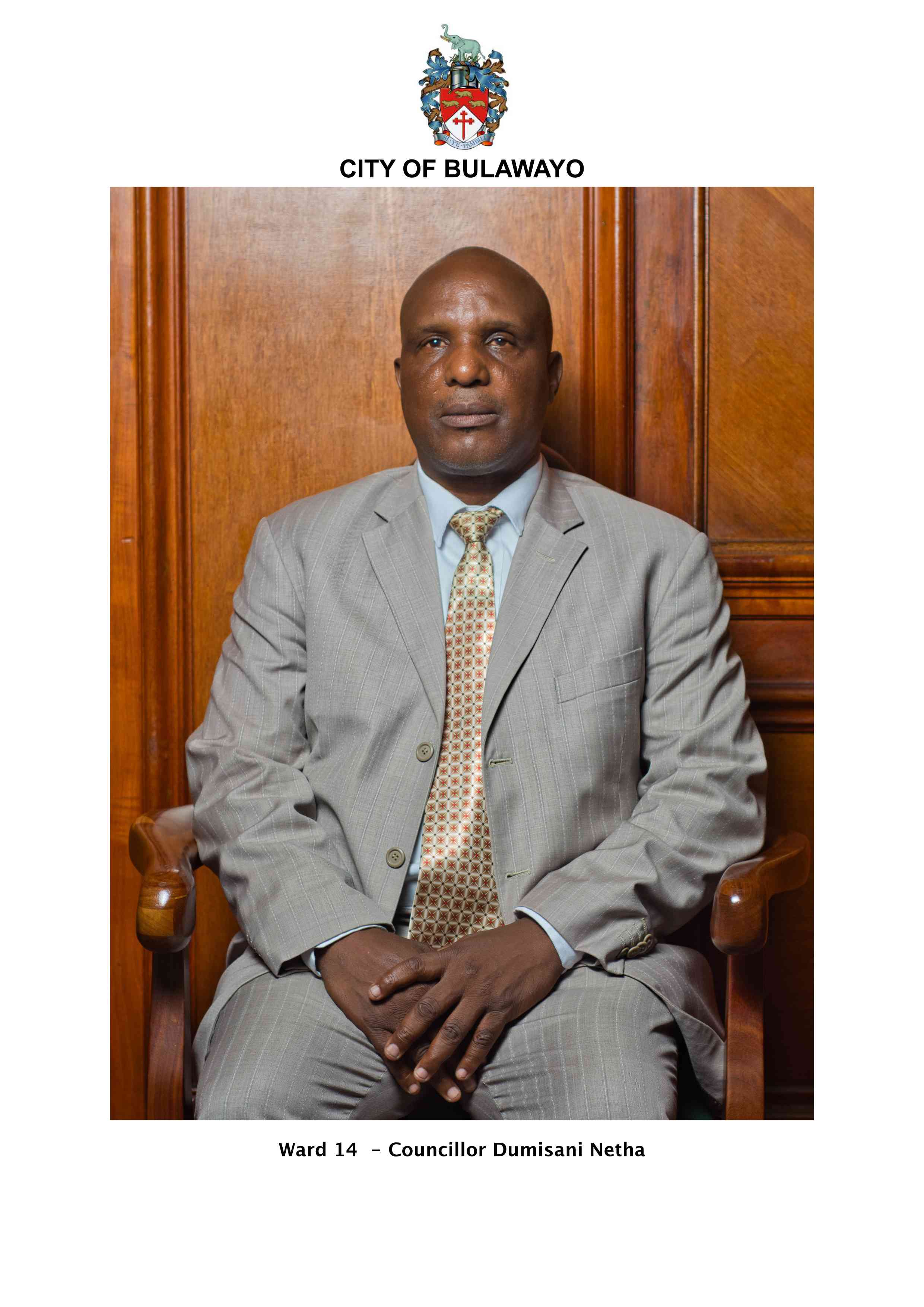
Ward 14 councillor Dumisani Netha urged authorities to respect the outcome of public consultations, which showed overwhelming support for the project.
“The people have spoken. They want the Glassblock Dam and they are waiting for its implementation,” he said.
He noted that one of the major challenges affecting the city is the tendency to discuss development projects without following through on implementation.
“One of the problems we have as the people of Bulawayo is that we talk a lot but do not implement.
“As councillors, we must push for this project to become a reality.”
Netha said the city’s existing water sources were no longer sufficient to meet demand, stressing that despite recent good rains, Bulawayo still needed additional water infrastructure to secure future supplies.
- Police probe BCC stands deals
- BCC proposes inquiry into water challenges
- Byo battles sewage pipe bursts
- Council cries foul over ‘hijacked’ projects
Keep Reading
“We need that extra dam because the current dams are no longer enough to provide adequate water.”
Ward 3 councillor Mxolisi Mahlangu buttressed the position, saying while the proposed Glassblock Dam will significantly improve Bulawayo’s water security, it will not be sufficient to meet the city’s long-term needs as the population continues to grow.
“The city is growing and while we are crying out for Glassblock Dam, it will not be enough on its own. We also need more dams,” Mahlangu said.
He highlighted severe water shortages affecting some suburbs, particularly high-lying areas such as Mahatshula and Queens Park East, where residents can go for up to 90 hours without water due to supply challenges and limited pumping capacity.
“We are also citizens of this beautiful city.”
He appealed for increased investment in the city’s water infrastructure, urging local and international investors to partner the local authority in developing additional water sources.
“I am making a plea for more investors who are willing to build dams in collaboration with the City of Bulawayo to come forward and assist us.
“Such partnerships will help the city to expand its water supply capacity and meet the growing demands of its residents.”
Mahlangu also called for concerted effort to reduce non-revenue water, arguing that preserving existing water resources was as important as developing new sources.
“Future water is present water.
“We cannot talk about future water when we are not talking about present water and how we preserve it, because there is a positive correlation in the way these things work together.”
Melissa Mabeza, a proportional representation councillor, expressed concern over what she described as a lack of progress and communication regarding the project.
“I think we are going backwards instead of going forward,” she said.
Mabeza said councillors needed clarity on the next steps to ensure transparency and maintain public confidence in the project.
“By now, as the councillors we should have been told about the way forward,” she said.
Providing an update on negotiations, mayor David Coltart revealed that significant progress had been made towards finalising a water purchase agreement between the City of Bulawayo and the project’s consultant.
Coltart said the city successfully negotiated amendments to the draft agreement.
“A compromise has now been reached, and the city will only pay for water up to an agreed limit.”
He added that the arrangement would be a bilateral agreement between the consultant and the City of Bulawayo, with the Zimbabwe National Water Authority not involved in the contract.
According to Coltart, the draft agreement has already been submitted to government and is awaiting approval.
“All that we are waiting for is for the government to approve the draft which has been sent to them.
“When it comes back then we will have a broad consensus and understanding.”
The renewed push by councillors comes as Bulawayo continues to grapple with water shortages that have become a major concern for residents, businesses and investors.
Councillors argued that the successful implementation of the Glassblock Dam project will not only improve water security, but also unlock opportunities for economic growth and urban development.