SUSTAINABILITY is becoming a very important part of how businesses, investors, and governments make informed decisions. Today, companies are expected to focus not only on profits but also on how they protect the environment, support the communities, and maintain good governance according to their nation. This is where ESG (Environmental, Social, and Governance) comes into the room.
But in Zimbabwe, the idea of sustainability is not very recent, it is a practice some entities are already following.
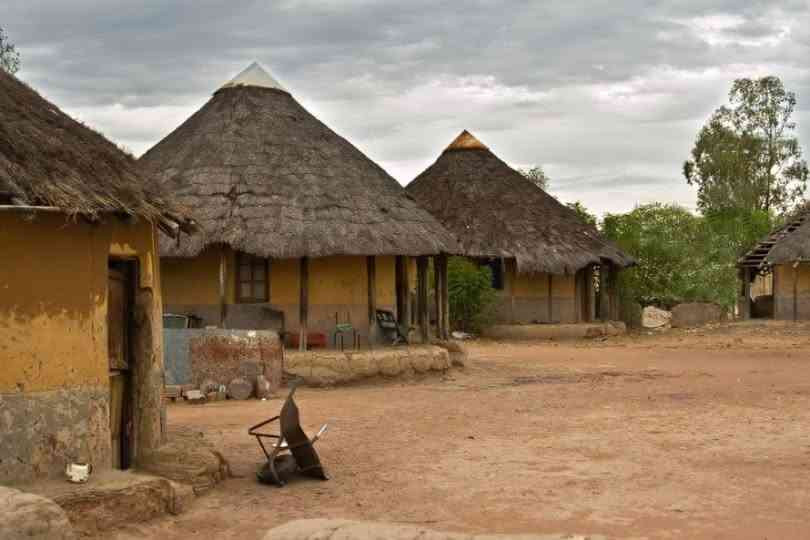
For decades the local communities and traditional leaders have protected forests, rivers, grazing land, and natural resources by considering them as important elements of cultural values.
Many decades ago, the ESG became a global business term and many indigenous communities were already practicing responsible land management and environmental protection which adds value to this respectively.
Now, as Zimbabwe continues to improve ESG reporting and sustainability standards, there is an opportunity to combine traditional land custodianship with modern governance systems.
Traditional land custodianship
In many parts of Zimbabwe, land has always been more valuable than just property.
It is connected to culture, identity, and community life.
- Is Zimbabwe ready for green building standards?
- Is Zimbabwe ready for green building standards?
- What’s driving the push for renewable energy?
- What’s driving the push for renewable energy?
Keep Reading
Traditional leaders and local custodians helped in managing natural resources by setting rules on:
Forest protection
Water use
Farming practices
Grazing areas
Sacred lands
These systems helped and supported communities who use resources responsibly and protect them for future generations.
Well, these practices were not called “ESG” at the time.
They followed many of the same principles or methods that businesses and investors now value in today’s date.
Why this matters in ESG reporting
Many ESG frameworks used by companies today are based on international standards. While these systems are useful, they sometimes fail to fully recognise local knowledge and community-based stable practices.
For Zimbabwe integrating traditional custodianship in ESG reporting can make sustainability elements more practical and more connected to local institutes.
This approach allows organisations to show that sustainability is not only about policies and reports, but it is also about real community involvement and responsible resource management.
Indigenous knowledge still has value
Traditional communities have deep knowledge about the environment because they have been living closely with the land for many years.
This includes understanding:
Seasonal and weather patterns
Water conservation
Soil protection
Sustainable farming methods
Biodiversity preservation
As climate challenges and changes continue to affect many countries, this local piece of knowledge can help in supporting stronger environmental planning and long-term progress.
Connecting traditional practices
Today, investors and financial bodies are paying more attention to ESG ratings while evaluating businesses and projects.
Companies that show strong environmental responsibility, community involvement, and good governance are commonly viewed as the more positive side of the entity.
This creates an opportunity for Zimbabwean organisations to make a combination of modern ESG standards with traditional sustainability practices.
When businesses work closely with communities and respect local custodianship systems, they can build:
Better investor’s trust
Stronger environmental responsibility
Improved governance practices
More sustainable long-term operations
Organisations such as ICRA Zimbabwe are helping strengthen conversations around governance, transparency, and sustainability within the financial and business sectors.
Challenges that need attention
While integrating traditional custodianship into ESG systems has many benefits, there are still some challenges.
They include:
Limited documentation of indigenous practices
Differences between corporate systems and traditional structures
Difficulty measuring cultural and community impact
Balancing modernisation with cultural preservation
To make this approach successful, collaboration will be important between businesses, policymakers, traditional leaders, sustainability experts, and institutions such as ICRA Zimbabwe.
A new opportunity for Zim
Zimbabwe has the chance to create a sustainability model that reflects both global standards and local realities.
Instead of depending only on imported ESG systems, the country can build work structures that also goes with the value of indigenous knowledge and traditional governance.
This can help:
Giving upliftment to ESG reporting
Improving community participation
Building investor confidence
Supporting environmental protection
Promoting sustainable development
It can also help Zimbabwe in standing out differently as a country that combines modern sustainability practices with strong cultural and environmental values.
Conclusion
Sustainability in Zimbabwe did not start with corporate ESG reports. Many local communities have been protecting land and natural resources for many decades through traditional custodianship methods.
As ESG reporting and sustainability ratings continue to grow in the market. Integrating these traditional practices into modern governance structure can create a more balanced and meaningful approach to development and growth.
With support from institutions, businesses, communities, and organisations such as ICRA Zimbabwe, the country can easily build a sustainability working structure that is both globally relevant and locally grounded.
Chawoneka is chief executive officer of International Credit Rating Agency (Private) Limited. — [email protected].