
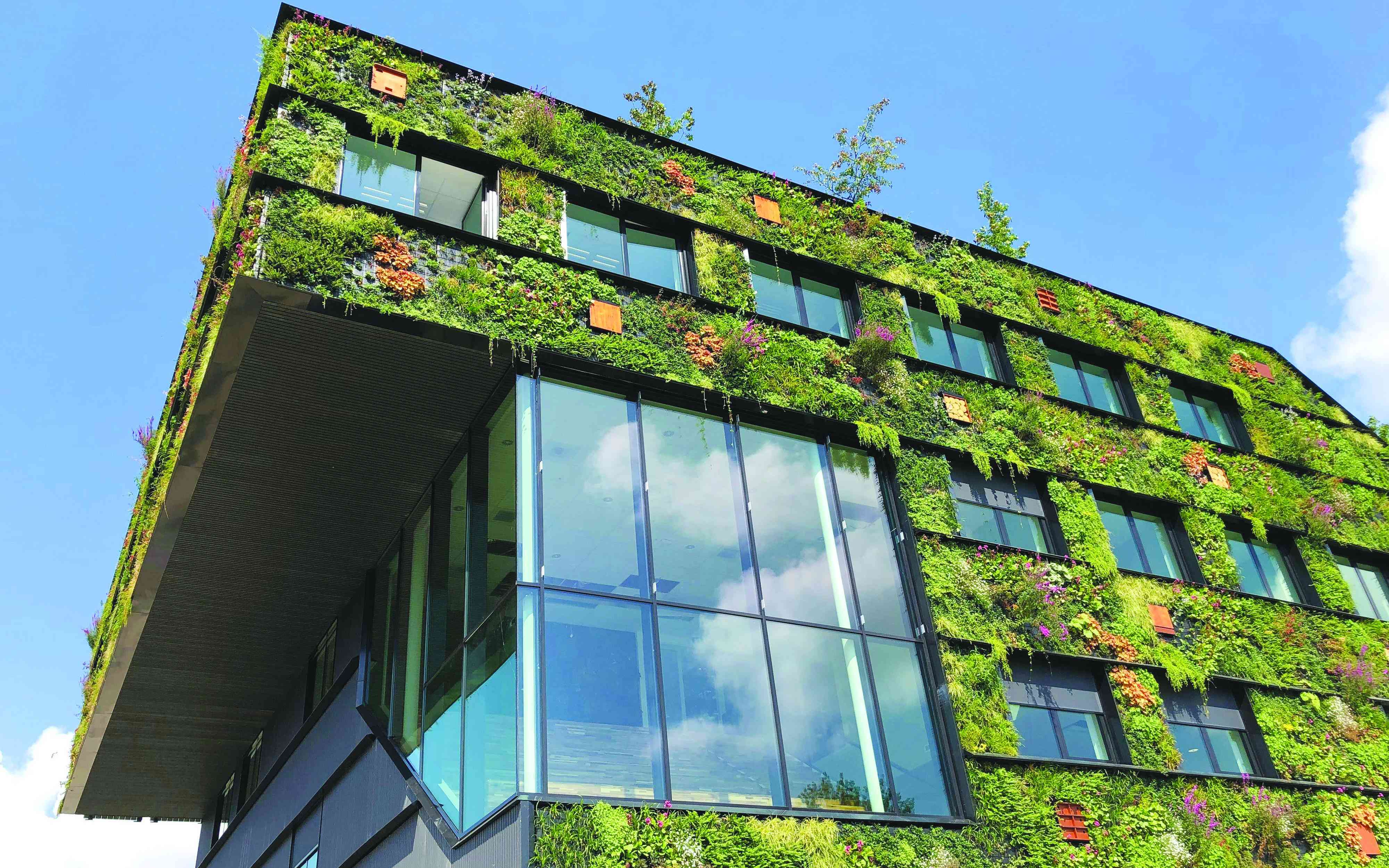
AS global economies grapple with the intersecting crises of climate change, volatile energy markets, and fiscal deficits, an unexpected saviour is emerging from the concrete jungle: green building.
Long dismissed by sceptics as a luxury niche for environmentally conscious corporations, sustainable construction has rapidly evolved into a core pillar of macroeconomic resilience and fiscal stability.
For developing nations and emerging markets, the transition to green building is no longer just about reducing carbon footprints — it is about plugging financial leaks, creating high-yield employment, and shielding national treasuries from the escalating costs of climate degradation.
Sustainable infrastructure imperative
At its core, fiscal stability relies on predictable expenditures and robust revenue streams. Traditional, inefficient buildings are notorious “wealth destroyers”.
Globally, the built environment is responsible for nearly 40% of energy-related carbon emissions and consumes vast amounts of water and electricity. For governments, this translates into heavy fiscal burdens through bloated public utility subsidies, immense capital expenditure on power plants, and foreign currency drains to import fossil fuels.
Green buildings flip this script as they designed for energy and resource efficiency drastically lowering operational costs, among plenty other benefits.
When applied at scale across public (schools, hospitals, universities, offices, etc) and let alone private sectors, these savings alleviate pressure on national grids, reduce the need for costly infrastructure expansions, and free up public capital for critical social investments.
- COP27: Zimbabwe’s opportunity to shine
- Is Zimbabwe ready for green building standards?
- Teacher witch-hunt continues
- Addressing climate change the green building way
Keep Reading
Furthermore, green buildings asset-value are believed to appreciate faster and attract premium foreign direct investment from climate-aligned global funds.
Global proof of concept: Case studies
To understand how green building translates into macroeconomic strength, one looks to nations that have integrated sustainability into their fiscal DNA.
Singapore: “Green Mark” standard
In 2005, Singapore launched its Green Mark scheme, a rating system tailored for tropical climates. Their Building and Construction Authority did not merely encourage green building; they legislated it, requiring all new buildings and major retrofits to meet minimum sustainability standards.
The impact: By retrofitting over 49% of its building stock, Singapore saved an estimated US$1 billion in utility costs annually.
For a nation with zero natural resources, this drastically reduced energy import reliance, stabilising its balance of payments and fortifying its national fiscal reserves.
Colombia market via green finance
In 2016, Colombia introduced tax incentives for energy-efficient buildings, alongside the deployment of the IFC’s (International Finance Corporation) EDGE certification. The government offered VAT exemptions on green tech and income tax deductions for investors.
The impact: This regulatory framework unlocked billions in private green bonds. Within a few years, Colombia saw over 100 000 housing units certified as green.
The fiscal masterstroke was that the tax revenue lost through incentives was vastly eclipsed by the reduction in state electricity subsidies and the massive influx of private capital into the construction sector, boosting GDP.
Zim: Nation at a crossroads
Zimbabwe stands at a unique economic juncture. The country faces persistent challenges, including power deficits at the Hwange and Kariba hydro-plants, currency fluctuations, and vulnerability to climate-induced droughts. The national treasury frequently shoulders the burden of emergency energy imports and infrastructure repairs.
Yet, within this challenge lies a generational opportunity. Zimbabwe’s construction sector is poised for growth. By leapfrogging traditional, inefficient building methods and adopting a Green Building Framework, Zimbabwe can transform its built environment from a financial drain into a driver of fiscal stability.
Reducing the load on Zesa Holdings via self-sustaining, solar-powered commercial buildings would immediately reduce the state’s multi-million-dollar regional power import bills, preserving scarce foreign currency reserves.
Strategic roadmap for Zim
For Zimbabwe to realise fiscal stability through green building, a coordinated, phased roadmap involving the Ministry of Finance, local authorities, and the private sector is required:
l Phase 1 — Foundation & policy harmonisation: Update the building model by-laws: Zimbabwe’s current building laws date back decades. The government must fast track National Green Building Code, incorporating elements of Green Building standards.
Develop and or adopt a green building rating and certification tool: to provide a transparent, verifiable metric for what constitutes a “green building”. This lays foundation for accessing global climate funding and green funds.
l Phase 2 — Fiscal incentives and green financing: Tax and duty concessions: The Ministry of Finance should waive import duties on essential green technologies, water-recycling plants, local production of materials to replace importations.
Launch a sovereign green bond: Zimbabwe can leverage international climate finance. By issuing a sovereign green bond backed by the state, the government can raise low-cost, long-term capital specifically earmarked for constructing green public infrastructure (schools, hospitals etc.)
Accelerated planning approvals: Local municipalities (Harare, Bulawayo, Mutare) can offer “fast-track permits” for certified green projects, lowering holding costs for developers and stimulating private sector velocity. This will trigger migration from the current “deemed declined” to “deemed approval” which will increase urgency and efficiency in public sector.
l Phase 3 — Public sector mandate & scale: Lead by example: A mandate should dictate that all future government-funded buildings must achieve a minimum green certification. Retrofitting existing prominent structures, such as the New Parliament Building in Mt. Hampden, with comprehensive solar and water-recycling systems will serve as a high-profile proof of concept. Scaling it will provide a huge relief to the fiscus.
Green mortgages: Partner with local banking institutions to offer lower interest rates on mortgages for certified green homes, de-risking the banking sector against climate-induced asset devaluation.
Implementing this roadmap yields quantifiable macroeconomic fiscal benefits for Zimbabwe such as on a national power grid, using traditional construction, the strain is maximised and the state would need to fund importation whereas with green construction, decentralised solar feeds into the grid will lower state expenditure and capex demand.
Foreign reserves are significantly drained by fuel or electricity imports whereas with green construction they are preserved due to localised renewable utility generation.
Traditional construction increases high climate vulnerability to drought and water shortage whereas green construction lowers the vulnerability via localised recycling and harvesting. The list is endless.
Analysts project that a nationwide shift to green building standards in Zimbabwe could reduce commercial sector utility demand by up to 35%, saving the treasury hundreds of millions of dollars over a ten-year cycle, while shielding the economy from external energy shocks.
Conclusion: Building the future
Fiscal stability is not merely a product of monetary policy and tax collection; it is physically built into the infrastructure of a nation. For Zimbabwe, green building is not an environmental luxury to be deferred for wealthier days — it is an economic imperative for the present.
By taking decisive action today — updating archaic building laws, incentivising private green capital, and mandating sustainability in public works — Zimbabwe can build a resilient, self-sustaining green economy.
The blueprints are drawn, the international capital is waiting, and the fiscal rewards are undeniable. It is time for Zimbabwe to lay the first stone embracing green building concept in its totality.
Juru is chief executive officer at Integrated Properties.