ON April 16, 2022 in the Sanguié Province of Burkina Faso, 125mm of rainfall was received in a space of less than one hour. This was unexpected since this was a dry season and the rainfall amount was unusually very high.
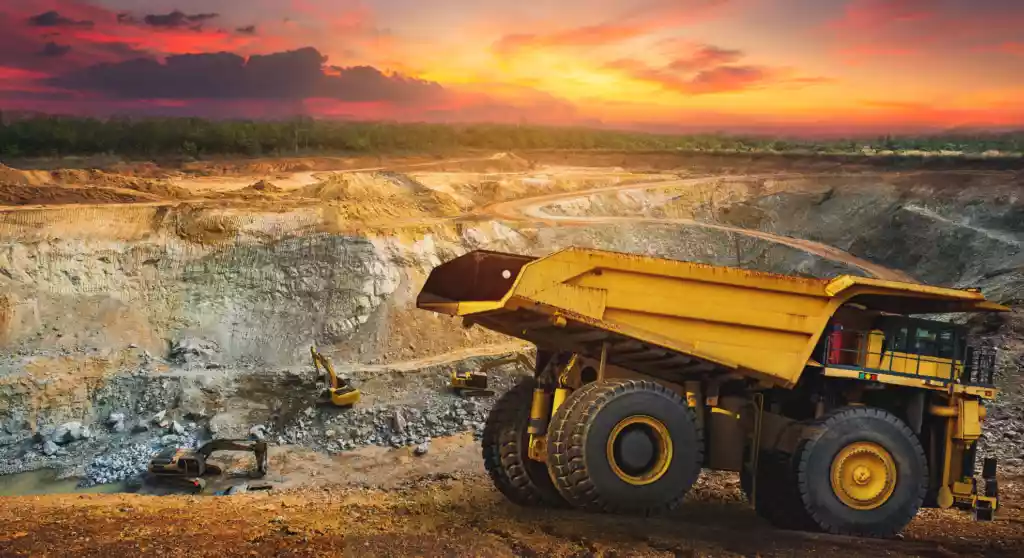
To put this into perspective, Harare requires at least 20 days across its rainiest month to achieve this amount. This torrential downpour resulted in a flash flood that abruptly submerged the Perkoa Zinc Mine that was carrying out both open pit and underground mining.
Consequently, eight workers who were trapped underground lost their lives and the mine halted its operations. It took 65 days before all eight bodies were retrieved and for almost six months, the operation was trying to dewater the mine in the hopes of continuing business thereafter. In the first two months alone, Perkoa Mine lost US$15,2 million in both direct and indirect costs related to dewatering and infrastructure refurbishment.
Unfortunately, the costs kept piling up and the operation was forced to close, resulting in revenue plummeting by 44% bleeding the company’s liquidity. Eventually, the mine was placed under judicial management since it sought creditor protection. Relatives of the eight victims filed for involuntary manslaughter, resulting in the government launching an investigation. The company was found guilty and two managers were arrested and sentenced. Currently, the liquidator is seeking to dispose the mine, but major risks such as high rehabilitation costs and ongoing legal battles exist.
In mining, the risks posed by climate change continue to increase, threatening to derail decades of investment towards sustainable development. Even though major disasters are yet to be experienced by mining giants in Zimbabwe such as Zimplats, Freda Rebecca Mine, Mimosa and Caledonia Mining Corporation, small to medium scale operations are most affected. Last year, seven artisanal miners lost their lives when Auriga 47 Mine in Nzwananzwi Village in Silobela flooded after heavy rainfall.
Sometimes these disasters occur not because the mine has not put in place adequate control measures, but climate risks are increasingly becoming too complex to predict with high accuracy. The disaster in Burkina Faso simply overwhelmed the mine’s environmental and disaster risk reduction controls.
Climate-induced disasters have increased in the form of floods, cyclones, extreme temperatures, landslides and droughts. The intricacy of these disasters has made it difficult to predict and prepare through various tools such as the 100-year flood modelling (annual exceedance probability event). The annual exceedance probability event, which is a flow magnitude with a 1% chance of occurring in any given year can occur across consecutive years, making planning difficult, expensive or both.
Mining produces various metals such as gold, platinum and lithium which are crucial for the clean transition, a strategy aimed at reducing global warming by adopting clean and renewable technologies.
- Caledonia profits up 16% after record production
- Power crisis pushes Blanket Mine into fresh costs
- Caledonia profits up 16% after record production
- Caledonia splurges US$4m on Zim gold mine
Keep Reading
In 2021, the International Energy Agency estimated that the increase in renewable energy had resulted in a 50% surge in the number and amount of critical metals required between 2011 and 2021. This means that climate threats to mining are threats to global development and the drive to reduce global warming. The mining sector faces a lot of scrutiny requiring Environmental, Social and Governance (ESG) frameworks and the threats posed by climate change does not make this any easier to implement.
In mining, extreme weather conditions create dangerous working conditions such as heat stress and weakening infrastructure due to rapid thermal expansion and contraction. In Africa and other parts of the world, high precipitation has forced some mining operations to cease during wet seasons due to the radical risk of unusual flooding. In July 2023, 116 mines in Liaoning Province of China had to shut down due to very high rainfall and ensuing flooding.
Imagine the loss of employment for extended periods and other negative downstream effects such as loss of markets. Despite erratic rainfall patterns, climate has also caused droughts, especially in the Southern Africa region where mining operations rely heavily on both raw and potable water for processing and consumption, respectively. Given the high water-intensive nature of mining operations, water stress puts a significant strain on production. Due to climate, water stress can result in financial losses and cause social conflict with local communities who depend on this resource for livelihoods. Locally, operations such as Jena Gold Mine have resorted to water recycling to reduce the strain on water users such as local communities and cropping farms.
How can mining operations avoid, minimise, mitigate or manage these climate-related risks? In their Sectoral Risk Brief for May 2024, the United Nations Environmental Programme recommends that operations can implement geolocated asset-level analysis as part of their Resilience and Adaptation Plans. This facilitates the development of climate-resilient infrastructure through scenario analysis and climate defences that incorporate co-benefits. In their sustainability frameworks, mining companies in Zimbabwe and the region should consider adopting ESG standards that have a significant component of climate-risk considerations. This can include examples such as The Task Force on Climate-related Financial Disclosures, IFRS Standard 2, SASB and the Carbon Disclosure Project.
Furthermore, local policies and instruments such as the National Adaptation Plan (2024-2030), National Climate Change Response Strategy and the National Climate Policy, though comprehensive, must have more focus on treating the mining sector as an adaptation priority and not only as a mitigation target. This gap in implementation is worsened by the disparity that exists between these recent instruments and the old, major acts governing the mining sector.
Historically, the mining sector has not been viewed as a sector vulnerable to climate change, but several examples highlighted clearly show that this is no longer the case. When mines fail, a lot is at stake, including host communities and the global economy. For the mining sector to adapt to climate change risks while concurrently supplying the world with the materials required for a resilient and clean transition, lawmakers and policymakers should facilitate climate risk into mining regulations, financing instruments and oversight.
Tatenda Hanyani is a senior specialist with global experience in ESG, climate change and renewable energy development. Email: [email protected]