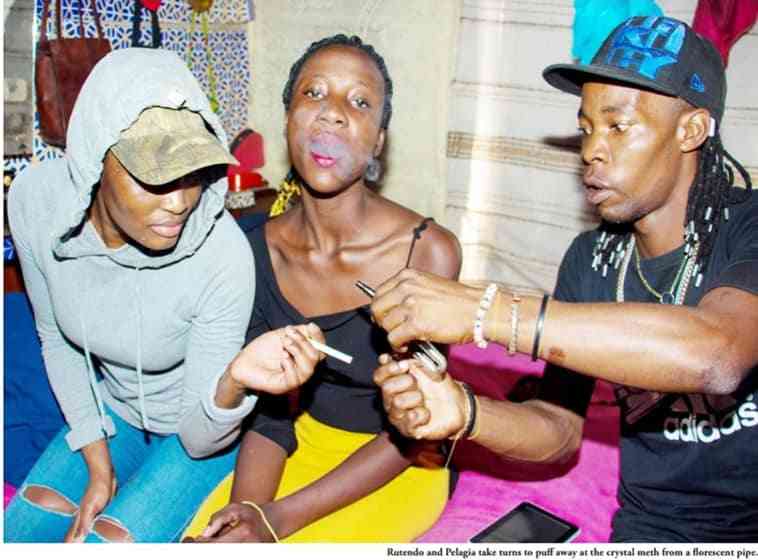
Zimbabwe’s drug crisis is not a hidden affliction. It is the theatre of our urban life, performed under the blinding lights of ghetto culture. At the centre of this drama stands the mbinga, the “Boss”. He is no ordinary figure of wealth. He is the sovereign of the street economy, the patron saint of spectacle, the financier of music, funerals and school fees, and, too often, the silent engineer of ruin.
His dominion thrives not in secrecy but in visibility. He does not lurk in shadows. He occupies council chambers, embraces musicians, and bankrolls the loudest Pasa Pasa vigils. In the choreography of urban culture, the mbinga is both benefactor and predator, a paradox whose empire reveals how celebration and despair are woven into the same fabric of Zimbabwe’s cities.
Borrowed from Jamaica, Pasa Pasa in Zimbabwe is a double-edged idiom. On one side, a street carnival of dancehall exuberance, on the other, a shorthand for scandal, gossip and combustible conflict.
In Mbare, Highfield and other urban crucibles, these meanings collapse into one another, producing a spectacle that is both cultural innovation and social indictment.
The Pasa Pasa fills the vacuum left by broken infrastructure, incubating talent, fashioning identity and binding communities together in the absence of formal support, yet it is also the masterstroke of the modern supplier, a vigil transfigured into a marketplace where narcotics circulate as freely as music.
On these nights, the township undergoes metamorphosis: streetlights long extinguished yield to darkness, while sound systems roar with bass that rattles bone and spirit alike. The air thickens with dust, cannabis, tobacco and the acrid smoke of burning plastic, as thousands converge in search of free entertainment in a place where a single dollar is survival.
But beneath the choreography of revelry lies the choreography of commerce, dombo and mangemba traded with surgical precision, runners darting through the crowd, while the “Big Men” preside from tinted VIP enclaves.
By dawn, the carnival dissolves into ruin: netball courts strewn with empty codeine bottles, torn foil, and sachets, while hollow-eyed youths sit in chemical stupor, their vitality consumed by fire. This is the other face of Pasa Pasa, not the celebration emblazoned on posters, but a wasteland of squandered human potential.
- Chris Martin returns to Zim
- Harmonize apologises for marijuana song after summons
- Bob Marley's grandson and reggae artist Jo Mersa Marley dies
- ‘I survived being buried alive for 6 hours’
Keep Reading
The mbinga endures because he is stitched into the very fabric of power. His largesse is not incidental but systemic. He bankrolls campaigns, underwrites funerals and pays school fees for the children of those charged with restraining him. Silence, for him, is a commodity purchased as casually as groceries. Some wear the title of councillor, others parade as aspiring MPs, but all cloak their drug wealth in the armour of politics. Once elected, every allegation is reframed as an assault on “the people’s representative”.
Muzengeza is a political risk analyst and urban strategist offering incisive insight on urban planning, infrastructure, leadership succession and governance reform across Africa’s evolving post‑liberation urban landscapes.