Zimbabwe’s vulnerability to global shocks is no longer theoretical. Events of the past few weeks have made it brutally visible in the daily commute.
As conflict in the Middle East pushes oil prices higher, the ripple effects have landed hardest on ordinary Zimbabweans. Transport costs have surged sharply.
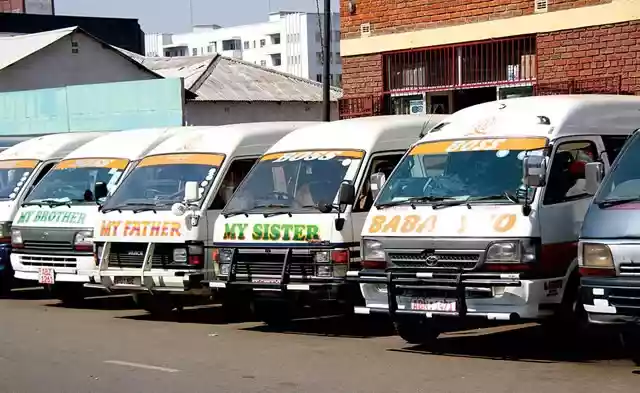
A single trip from Chitungwiza into Harare’s city centre has spiralled from US$1 before the war to as much as US$2,50, as operators respond, and often overreact, to fuel price instability.
But this crisis is not just about geopolitics. It is exposing deep, long-standing structural failures at home.
When Zimbabwe first began talking about a mass public transport system decades ago, Harare’s population was under 1,5 million. Today, it has barrelled to about 2,5 million — roughly the size of Botswana’s entire population. Yet transport infrastructure has not kept pace.
Zimbabwe’s fuel demand has more than doubled, from under one billion litres annually to about 2,1 billion litres in 2025. Daily consumption has climbed from roughly 3,5 million litres to about 5,75 million litres. At the same time, an estimated one million people now commute in and out of Harare every day.
This is a city under pressure.
Yet the backbone of urban mobility remains a fragmented, informal system dominated by commuter omnibuses and unregulated operators. For decades, government has promised a modern, efficient mass transit solution. But these plans have remained trapped in policy documents and conference rooms.
- Over 115 to exhibit at Mine Entra
- Young entrepreneur dreams big
- Econet bemoans power outages
- Govt opens ChiTown e-passport centre
Keep Reading
The Zimbabwe United Passenger Company once raised hope when it rolled out buses during the Covid-19 period. But instead of expansion, the fleet has steadily dwindled.
The Harare Public Transport Master Plan (2025–2045), which envisions phasing out informal transport in favour of high-capacity buses and rail, is a step in the right direction. But plans alone will not move people.
Zimbabwe urgently needs a functional, affordable mass transit system anchored on rail through the National Railways of Zimbabwe, supported by a reliable bus network.
Without this, the burden of every global fuel shock will continue to fall disproportionately on the poor.
The Consumer Council of Zimbabwe is correct in its recent assessment.
The poorest citizens are bearing the brunt. Already struggling, they now face rising transport costs alongside increases in basic goods such as bread, now selling at US$1,25 a loaf.
President Emmerson Mnangagwa’s acknowledgement of the crisis this week is welcome.
But the lesson is that Zimbabwe cannot control global wars.
It can control its preparedness.
Social safety nets and a resilient public transport system are no longer optional. They are essential.
Without them, every external shock will deepen inequality and push the urban poor further to the margins.