ZIMBABWE’S automotive market has quietly but decisively entered a new phase.
Over the past few years, the shift has been visible in car parks, at dealerships and on highways: Chinese brands are no longer a fringe option.
They are becoming mainstream, especially in the SUV and bakkie segments where value, ground clearance, durability and modern features matter most.
As we open the first motoring edition of 2026, one trend looks set to define the year: The continued rise of Chinese manufacturers, influenced heavily by what is happening in South Africa.
The South African market often sets the tone for model availability, parts pipelines and regional pricing — and Zimbabwe tends to follow.
The result is a wider selection of new vehicles than we have seen in years, with more tech, more comfort and, in many cases, better pricing than traditional rivals.
Why Chinese brands win buyers
Globally, Chinese manufacturers have moved from “budget alternatives” to serious contenders.
- MOTORING:The best Haval on the market
- Anticipating Chinese cars in Zim in 2026
- Limited edition cars: are they really worth it?
Keep Reading
They are producing vehicles that meet modern safety and emissions standards. At the same time, they are packaging features such as large touchscreens, driver-assist systems, premium interiors, turbocharged engines and hybrid options at prices that many households and businesses can still afford.
For Zimbabwean motorists, the appeal is straightforward. Newer vehicles offer warranty support (where official representation exists), better fuel efficiency than older imports, and models suited to local realities — from surviving potholes to long-distance travel and load hauling.
GWM: Leading in SUVs and bakkies
Great Wall Motors (GWM) remains one of the most influential Chinese players in Southern Africa, and its footprint in Zimbabwe is expected to grow further this year.
Its strength is breadth: It competes in the two categories Zimbabwe buys heavily — SUVs and bakkies.
Key models likely to shape 2026 include:
- Haval H6 and H9: Both are expected to remain strong sellers. The H6 has become a familiar sight, offering a modern cabin and strong safety credentials. The larger H9 appeals to families and long-distance drivers who want size, comfort and a commanding road presence.
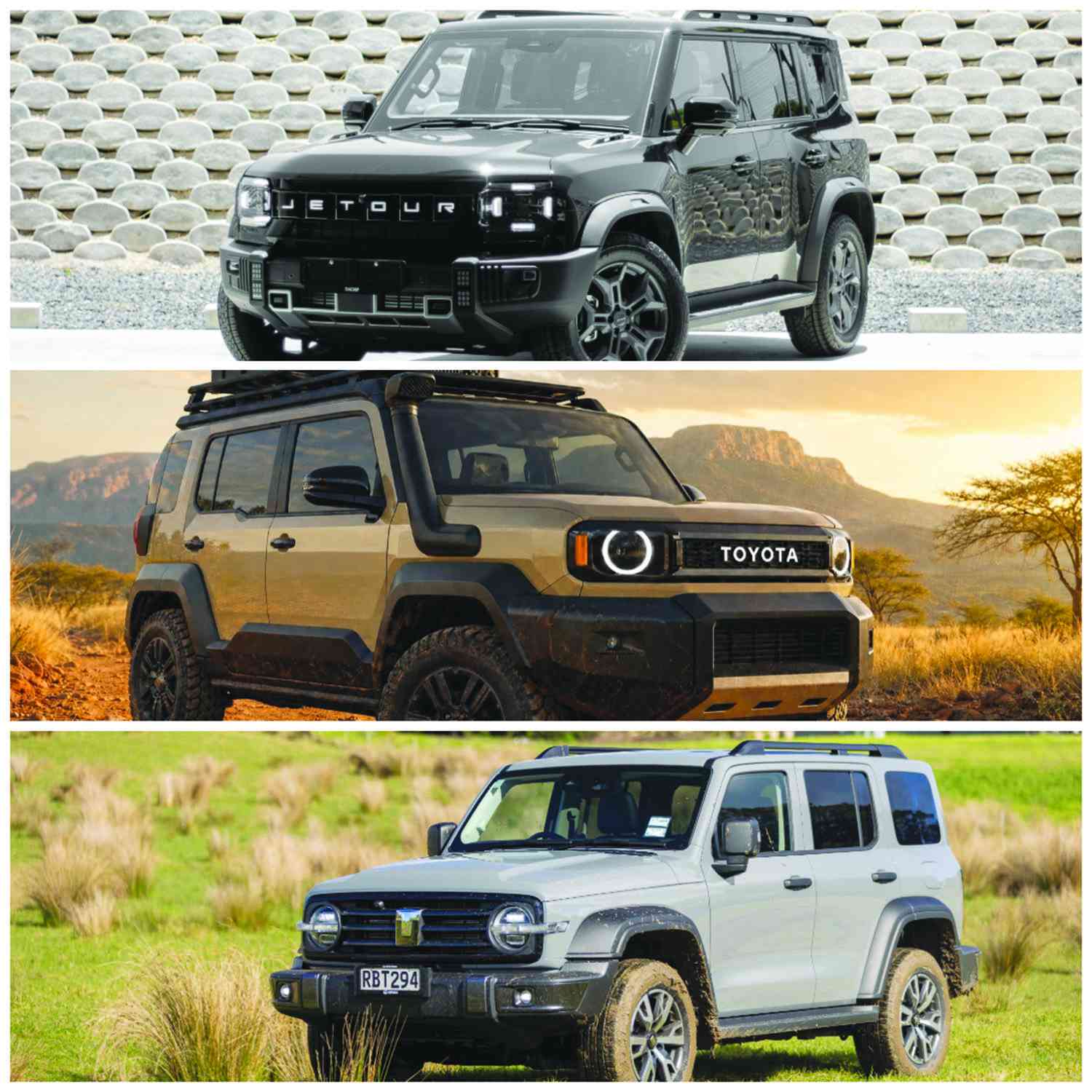
- GWM P-Series and Tank models: The P-Series continues to target commercial users and lifestyle buyers, who want a double cab with modern comfort. Meanwhile, the Tank 300 and Tank 500 are positioned for drivers who value rugged styling and real off-road capability.
Of particular interest locally are expectations around the Tank 500 2.4 diesel, and the possibility of a P500 double-cab plug-in hybrid, which would be a significant step toward electrified bakkies in our market.
- Ora electric vehicles: GWM’s plan to relaunch its Ora EV line — potentially including a small SUV — would broaden Zimbabwe’s still-limited electric options, particularly for urban drivers able to charge at home.
Haval: The brand that built trust
Haval deserves special mention because it has played a unique role in Zimbabwe: It helped open the door to broader acceptance of Chinese brands.
Many buyers who were once sceptical took a chance on Haval, especially the H6, and the growing number of these vehicles on the road has boosted confidence in the segment.
Looking ahead, the Haval Dargo (also known as the “Big Dog” in some markets) is a model that may attract attention if it reaches Zimbabwe through regional channels.
It is a rugged, mid-size SUV designed to blend urban comfort with genuine off-road ability, an appealing formula for drivers who want one vehicle for Harare weekdays and dirt-road weekends.
Chery: Value, technology
Chery has been building momentum through sharp pricing and generous specifications, and 2026 could be a pivotal year as the brand expands both range and identity.
What to watch:
- Tiggo 4 Pro, Tiggo 7 Pro and Tiggo 8 Pro: This trio covers compact to family-size SUVs and offers the blend Chery is now known for — affordability with modern technology.
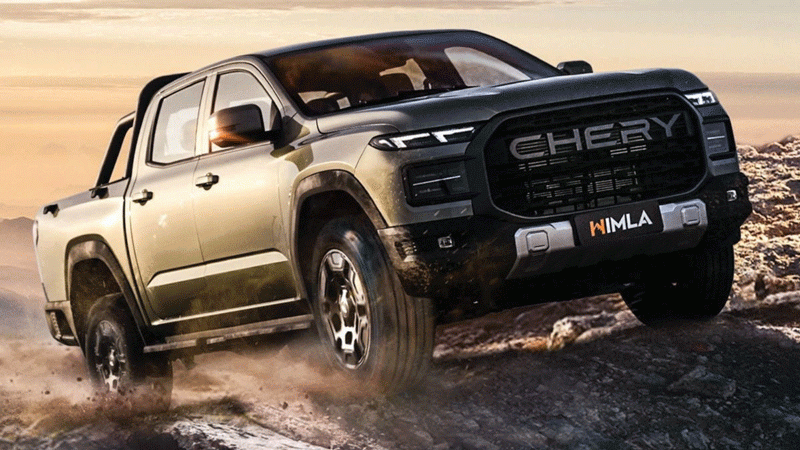
- The “Himla” bakkie: If Chery’s first bakkie makes its way into the region, it could be a timely addition. The Zimbabwean bakkie market is booming, and with rising trust in the Chery name, local representation may feel pressure to offer a double cab of their own to compete head-on.
- New sub-brands (Lepas and iCaur): Chery’s new sub-brands signal a push into more specialised niches, including EV variants. Whether Zimbabwe gets these models quickly will depend on regional rollout, but the direction is clear: more choice, and more electrification.
BAIC: Powertrain options
BAIC is expected to strengthen its offering with vehicles aimed at everyday usability — space, comfort and value — while introducing more powertrain variety.
- BAIC B30: A mid-size SUV expected in petrol and hybrid forms, suited to families wanting practicality without stepping into premium pricing.
- BAIC U Series: A versatile lineup that could appeal to both private buyers and business fleets, provided after-sales and parts support continues to mature.
GAC: Style meets the electric shift
GAC Motor is increasingly associated with modern design and a more “upmarket” approach to interiors and features. If supply and representation improve, 2026 may be the year the brand becomes more visible locally.
- GAC Aion Y Plus: One of the EVs to watch if it enters Zimbabwe, particularly as city motorists begin exploring electrification.
- GAC GS4: A compact SUV pitched as a balanced daily driver — good styling, practical size, and competitive features.
JAC: Bakkie strength
JAC remains a strong name in work-focused vehicles, and its next step, like many brands, is to offer more efficient drivetrains without sacrificing toughness.
- JAC T9 PHEV: A plug-in hybrid double cab would be a notable arrival for Zimbabwe. While EV charging infrastructure remains limited, hybrids and PHEVs may offer a more practical bridge — especially for drivers seeking fuel savings without range anxiety.
- JAC T8: With updated trim levels, the T8 remains one of the more accessible bakkie upgrades for buyers moving from older workhorses.
BYD: The EV heavyweight Zim
Another brand likely to shape conversations in 2026, especially among tech-forward buyers, is BYD (build your dreams). In Zimbabwe, BYD’s rollout is expected to gather pace, anchored by competitive pricing, strong warranty messaging and a growing range that spans compact crossovers to more premium electric SUVs and sedans.
Models such as the Atto 3 and Dolphin have been widely discussed as “volume” EV contenders, while the Seal positions BYD as a credible alternative to established performance-oriented electric sedans.
The 2026 outlook
If 2025 was the year the market found its footing, 2026 looks set to be the year it sorts the serious players from the rest, through consolidation, sharper competition and higher expectations from buyers.
SUVs will keep setting the pace, especially in the compact and mid-size segments where value and practicality meet. At the same time, bakkies are shaping up as the real battleground, with a growing wave of Chinese entrants targeting contractors, farmers and lifestyle buyers head-on.
Hybrids are also poised to outpace full EV growth, offering meaningful fuel savings without forcing customers to rely entirely on still-developing charging infrastructure.
And underpinning all of it will be the factor that ultimately decides reputations: after-sales support. In 2026, parts availability, service quality and warranty follow-through will not be footnotes — they will be the difference between brands that win long-term trust and those that fade after the initial hype.