ZIMBABWE is home to more than 16 million people, according to the 2022 Population Census (the United Nations Population Fund estimates the country’s current population at 17 million) — men, women and children whose collective dreams and individual aspirations remain painfully unfulfilled.
For the majority, life is a relentless struggle. They have worked hard all their lives, yet they are still trapped in poverty.
Their sun-baked backs and cracked feet tell a story of endurance, of people who rise every day hoping to inch closer to dignity, only to find that the system is rigged against them.
Decade after decade, citizens have been forced to contend with unfair and selective policies that appear designed to cushion the affluent while punishing the poor.
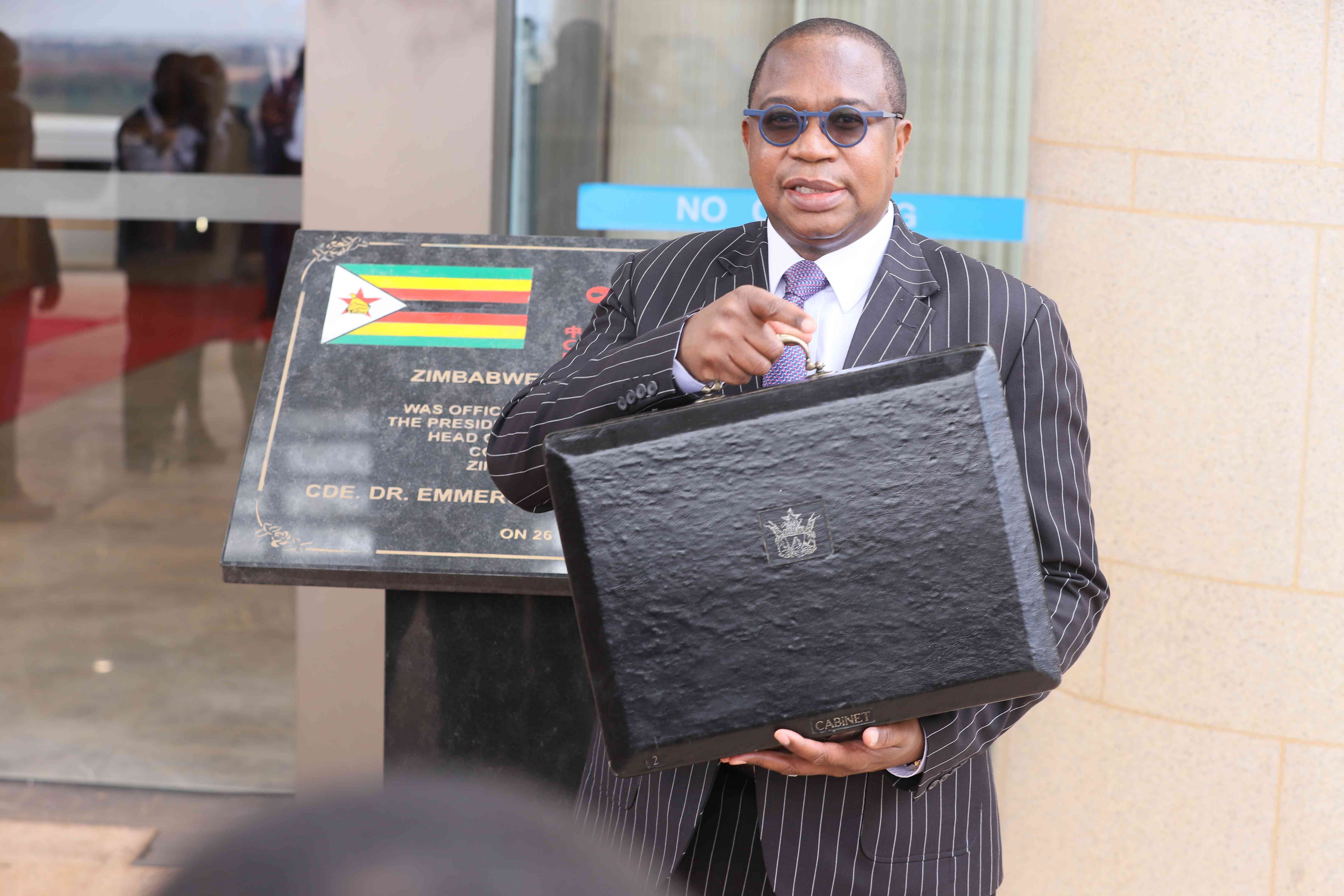
That reality was once again laid bare last Thursday when Finance, Economic Development and Investment Promotion minister Mthuli Ncube presented his 2026 National Budget, a document that felt worlds apart from the daily hardships endured by ordinary Zimbabweans. Instead of relief, the minister has piled on more taxes. Manufacturers and service providers will inevitably pass these costs on to consumers, triggering more price increases for a population already stretched to breaking point.
Many citizens now question whether government is sincere about improving their lives. Their scepticism is not unfounded.
Except for the relative economic relief experienced during the inclusive government era between 2009 and 2013, Zimbabweans have endured prolonged hardship under successive administrations.
The long-promised dream of becoming an upper-middle-income economy remains a mirage — a slogan repeated endlessly but divorced from lived reality.
- Budget dampens workers’ hopes
- Govt issues $24 billion Covid-19 guarantees
- Letter to my People:They have no answers for Nero’s charisma
- ZMX to enhance farm profitability
Keep Reading
Meanwhile, the political and economic elite, the very architects of these policies, continue to lead comfortable, insulated lives in the affluent northern suburbs of Harare and similar enclaves across the country.
For everyone else, the Promised Land remains just that: promised, not delivered.
Zimbabwe is a broken society. Young people are drowning in drug and alcohol abuse, fuelled by substances smuggled into the country by well-connected individuals who exploit porous borders with impunity.
Yet the leadership is unmoved, professing concern for citizens while doing little to address the rot eating away at families, communities and the national soul.
To make matters worse, citizens themselves have become desensitised, even gullible, failing to demand accountability despite the direct impact of these policies on their lives. After trimming the unpopular Intermediated Money Transfer Tax (IMTT) by a quarter, Ncube simply raised Value-Added Tax by an equivalent amount, pushing VAT to 15,5%.
In reality, the IMTT reduction is cosmetic, the government is clawing back the difference through a tax that no one can avoid.
If Zimbabwe is to pull back from the brink, Ncube must adopt a pragmatic approach.
He must listen to businesses, economists and ordinary citizens rather than imposing the wishes of a privileged few as national policy.