Zimbabwe’s telecommunications sector came under pressure during the final quarter of 2025 as surging operating costs and aggressive infrastructure investments outpaced modest revenue growth.
Overall, active mobile subscriptions increased by 2,13%, rising from 16,4 million a year earlier to 16,7 million during the review period.
The Postal and Telecommunications Regulatory Authority of Zimbabwe (Potraz) said mobile network operators grew revenue by 6,33% to ZiG7,74 billion.
However, operating costs rose even faster, climbing 11,52% to ZiG4,64 billion and squeezing sector margins.
Econet Wireless, state-run NetOne and troubled Telecel Zimbabwe are three players with interest in the sector.
“The mobile network cost-to-income ratio for the quarter under review worsened by 2,73 percentage points from 57,22% to 59,95%,” the report said, “driven primarily by rapid operating cost increases that exceeded revenue growth”.
Capital expenditure more than doubled, surging 112% to ZiG1,08 billion, highlighting the scale of investment required to expand and maintain telecommunications networks. The data pointed to a widening imbalance across the sector.
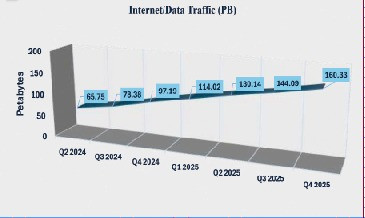
Usage rose strongly during the review period, but financial returns continued to lag. Mobile data traffic climbed 11,27% to 160,33 petabytes, while voice traffic increased 9,04%, signalling firm demand for telecommunications services.
- Econet tariffs shoot up
- ‘Media freedom under the yoke’
- Potraz moves to curb ‘harmful’ content
- RBZ, Potraz bar bulk airtime purchases
Keep Reading
“This robust growth in Internet/data traffic continues to indicate a powerful and potentially accelerated shift towards more data-intensive consumption habits,” Potraz said.
Average revenue per user edged up only 4,13% to ZiG460,99, which remained insufficient to offset rapidly rising costs. Pressure was even more pronounced in the internet services segment.
Subscriptions grew by 8,25%, but revenue rose just 0,83%, resulting in a 6,86% decline in average revenue per user (ARPU). The report attributed the drop to volume growth significantly outpacing monetisation.
Potraz noted that the ARPU decline “is attributed to an 8,25% increase in subscriptions which surpassed an increase in revenue (0,83%).”
Structural shifts in consumer behaviour are also eroding traditional income streams.
SMS traffic declined 3,49%, while fixed-line voice traffic dropped 4,88% as consumers increasingly migrate towards data-driven communication platforms.
“Fixed voice traffic has been experiencing a steady decline, owing to increased shift from consumption of voice-centric services to data-centric services,” Potraz said.
Operators are responding through aggressive infrastructure rollouts.
“A total of 47 additional 5G base station deployments were recorded … bringing the total to 366,” the regulator said, alongside continued expansion of LTE networks.
International bandwidth capacity rose 6,46%, reflecting growing demand for global connectivity, while new technologies continue reshaping the competitive landscape. Starlink Zimbabwe posted a 42,76% surge in internet traffic, highlighting the rapid uptake of satellite broadband services.
Despite mounting pressure on margins, the sector continues to expand.
Mobile penetration now exceeds 107%, while internet penetration stands at 84,55%.
Potraz warned that sustaining growth would depend on balancing infrastructure investment with prevailing market realities, cautioning that future expansion “will hinge on balancing critical infrastructure investment with the economic realities of the market.”
l The exchange rate as at December 31, 2025: US$1= ZiG25,9