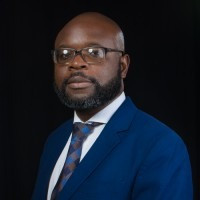
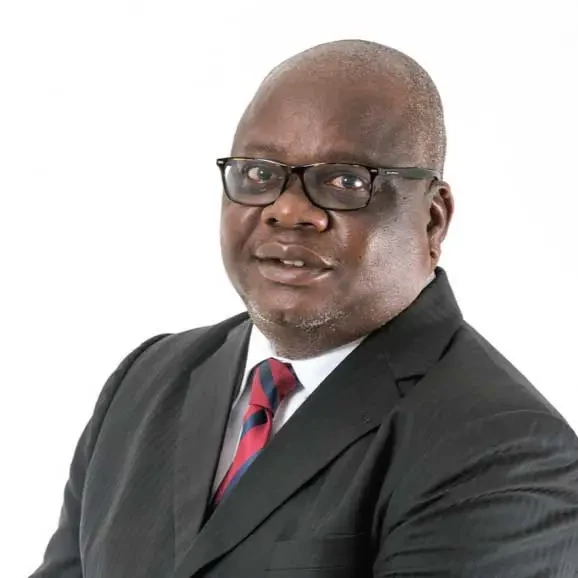
First Mutual Holdings boss, Douglas Hoto, (DH) recently took his time to explain the sector. Below are excerpts of a discussion he had with our broadcasting division, Heart and Soul host, Andy Hodges (AH):
AH: Welcome, Douglas Hoto, the group chief executive officer of First Mutual Holdings.
DH: Thank you.
AH: Now, I know, of course, as the Group CEO of First Mutual, insurance runs through your blood, if I can say it that way. But there is one thing that is prevalent in the Zimbabwean community, and that is the belief that insurance is a scam — that people are simply paying money to insurance companies and that is about it. So, that seems to be the perception. I suppose the question to you, as someone who runs an insurance company, is: is insurance a scam?
And from your experience, where do you think this belief comes from in the eyes of the public?
DH: Insurance is not a scam, but I share the views you mentioned about the public going down the path where they think they are just paying, paying, paying, and getting nothing out.
There are two reasons for that. The first is that, as you may be aware, insurance is not bought; it is sold. It is not like when you go to Pick n Pay to buy what you want.
The general way people come to buy insurance is that somebody approaches them and explains that they need it. In most cases, they never tell us what they need; they just say: “Oh, well, maybe it is a good idea — let me buy.”
- CBZ plots fresh acquisitions after FML deal
- Currency crisis haunts listed firms
- CBZ plots fresh acquisitions after FML deal
- Currency crisis haunts listed firms
Keep Reading
So, most people do not even know that they need insurance. They do not fully understand it. I think that is where the industry must do more — to establish what we call the insurable interest of a person and the need for that interest to be covered.
That is the first problem. The second problem is that once you sign up and start paying your premiums, and nothing happens, there is usually no further relationship between the insured and the insurer. They do not communicate until there is a problem.
When the problem comes, they ask you to bring all these forms and then refer to the small print that you never read. Yet, when the need arises, the person is most vulnerable and requires better care and treatment. If they are asked too many questions, they assume the insurer is trying to avoid paying.
AH: That is fascinating. It seems to imply, firstly, that there may be a lack of insurance salespeople explaining the contract properly to clients.
You mentioned small print, and we all know the saying, “If you want an African not to know something, give him a book,” because we do not read. What is the issue there?
DH: There are two things. The first is that the products sold to people must respond to their needs. They must be explained clearly — why you are taking insurance cover, what you are covering, and what will happen when the insured event occurs. That is for the insurance companies to do. They are the ones who design the products.
AH: Then the agent or salesperson’s training is crucial.
DH: Yes, it is critical. Salespeople are driven by commission. The first thing to understand is that they want you to sign so that they can earn their commission. So it is incumbent upon insurance providers to ensure the right selection of agents, proper training, and strong ethical standards. The incentives they offer should not depend solely on the volume of business brought in.
AH: It must also depend on the quality of service provided to the insured and the feedback. So, in a way, if we can ensure salespeople are fully educated about their products — what they are selling — and that they explain them properly to consumers, we may begin to restore some level of trust.
DH: Yes, but even before that, the insurance companies that design the products — the actuaries and the underwriters — must design products that respond to the needs that people have.
AH: Yes, because I have had insurance salespeople approach me and try to sell me a product, and I say, “But I do not want that. I do not need that. I do not have a building.” So why are you coming?
DH: I am of the view that much more research must be done by insurance companies and product developers. They must engage communities and the public to establish what people actually need.
AH: Let us go with that idea. In a few words, how would you explain what insurance actually is?
DH: It may not be easy, but I will try. As you go through life, there are difficult moments and good moments. What a person needs is a smooth experience through those ups and downs. It may be illness, death, or your assets.
You want to ensure that when a loss occurs, or an event disrupts the smooth flow of life, you are covered — you do not have to rely solely on your own resources.
AH: I want to talk about the types of insurance cover we have in Zimbabwe, because it can be confusing. I think the figures — correct me if I am wrong — suggest that over 85% are burial policies.
DH: Zimbabweans are willing to pay premiums to ensure a proper burial. But if you look at life products, they account for probably under 1% of the total. Out of 100%, about 1% is life products.
AH: That suggests Zimbabweans prioritise a decent send-off but are less willing to provide for their families or relatives if they pass away, or to invest in a pension.
I find that difficult to understand. Could you take us through the types of insurance products available?
DH: Broadly, we classify them into three categories.
There is general insurance, which deals with property and liability — your house, fixed assets — covering risks such as fire. The most common types are fire and theft, but it extends to engineering, business interruption, and more.
Then there is health insurance, essentially medical aid — covering what happens when you fall ill, visit a doctor, need medication, or require major procedures such as heart surgery. Finally, there is long-term insurance, which used to be the mainstay.
It focuses on people’s lives. Before the dominance of funeral insurance, people were more concerned about what they would leave behind for their loved ones. This includes life cover — when you pass away.
AH: For example, what happens if you die prematurely and have not saved enough for your family to maintain their standard of living?
DH: Exactly. You would say: I am working, I have a house, I have school fees to pay. If I die, my family should receive enough to continue living — they will miss me, but they can maintain their lifestyle.
AH: People used to buy whole life policies, endowment assurances, and so on. I personally had many of those.
DH: Those policies were long-term — 30 years, 25 years, 15 years — and formed the backbone of life insurance. Then there is retirement. When you retire and are no longer working, you and your spouse still need income. The children are usually grown up, so the focus shifts. That is where retirement savings come in.
AH: It becomes more about saving — setting aside money through an insurance policy, with the insurer investing it on your behalf.
DH: Exactly. It becomes a retirement annuity. When you reach 65 — the traditional retirement age — you receive one-third of the accumulated sum as a lump sum. You might use it to settle debts or take a well-earned break. The remainder is paid as an annuity. The funeral component, which is the third aspect, was traditionally just a rider on these policies.
It existed, but it was not emphasised. For example, a whole life policy would include a “final expenses” rider to cover funeral costs. Similarly, group life insurance through employment would include final expenses. It was part of the structure, but not the main focus.