THE European Union (EU) delegation to Zimbabwe used this year’s Europe Day celebrations to place arts, culture and people-to-people exchanges at the centre of its relationship with Zimbabwe, with diplomats praising the country’s vibrant creative sector and calling for deeper cultural collaboration.
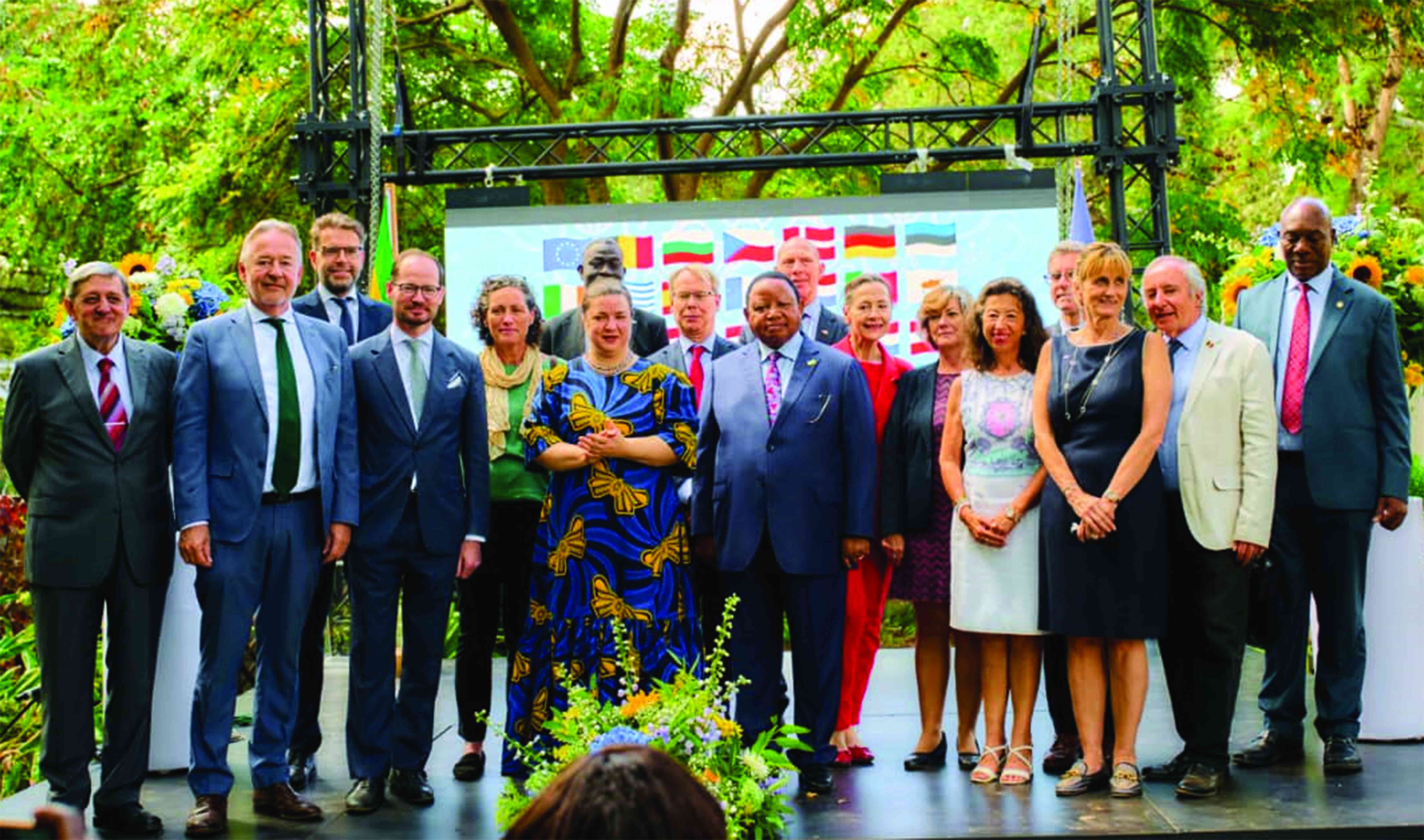
Held recently at the EU residence in Chisipite, Harare, this year’s commemorations brought together diplomats, government officials, artists, students and cultural actors in a colourful showcase of European gastronomy, music and intercultural exchange under the theme “United in Diversity”.
The celebrations formed part of EU Month activities following the bloc’s successful appearance at the Zimbabwe International Trade Fair in Bulawayo, where the “Team Europe Pavilion” won the Supreme International Exhibitor award for the third time.
But beyond trade and investment, European diplomats said culture remained central to relations between Zimbabwe and Europe.
French Ambassador to Zimbabwe Paul-Bertrand Barets said he had been struck by the strength and creativity of Zimbabwe’s arts sector since arriving in the country.
“What has amazed me since I arrived in Zimbabwe is the vitality of the people in the sectors of arts and culture; they really deserve to be highlighted,” Barets told journalists during a “Meet the Press” engagement held ahead of Europe Day celebrations.
“It’s not only about economics and investments, it’s also about cultural engagements that are very much at the heart of Europe-Zimbabwe relationships. It’s also very much at the heart of our bilateral relationships with Zimbabwe.”
Barets said France continued to support cultural exchange through institutions such as the French School in Harare and Alliance Française centres in Harare and Bulawayo.
- CCC urged to push for dialogue over reforms
- Japan, EU in lukewarm response to Zimbabwe’s lobby to lift ivory ban trade
- Walk the talk on reforms
- EU concerned about proposed Zim laws
Keep Reading
“We have a French School in Harare and two French alliances, one in Bulawayo and one in Harare, that are working a lot with Zimbabwean partners to keep alive the relationships and foster understanding between our people,” he said.
The Europe Day celebrations also marked EU Ambassador to Zimbabwe Katrin Hagemann’s first major public event since presenting her credentials in December last year.
In her remarks, Hagemann described Zimbabwe as a country with a rich cultural heritage and a dynamic young population.
“These are powerful foundations for the future,” she said.
“Our EU-Zimbabwe partnership must be one of equals, grounded in shared interests and values while allowing for constructive dialogue where our perspectives may differ.”
Unlike previous editions, which stretched into evening receptions, this year’s event took the form of a daytime cultural showcase, with guests moving through a “European Village” featuring cuisine, music and performances from different European countries.
Countries, including the Netherlands, Italy, Cyprus, Sweden, Spain, Poland and Greece participated in the gastronomy exhibition, offering visitors an opportunity to sample traditional dishes ranging from Dutch syrup-filled waffle cookies to Spain’s seafood paella.
Entertainment was provided by students from Prince Edward High School and Afro-fusion artist Mary Anibal, who also serves as the EU Green and Gender Ambassador.
One of the event’s standout moments came when Ambassador Hagemann joined Anibal on stage and played the mbira during a performance of the song Gogoride.
“It was truly special,” Anibal said afterwards.
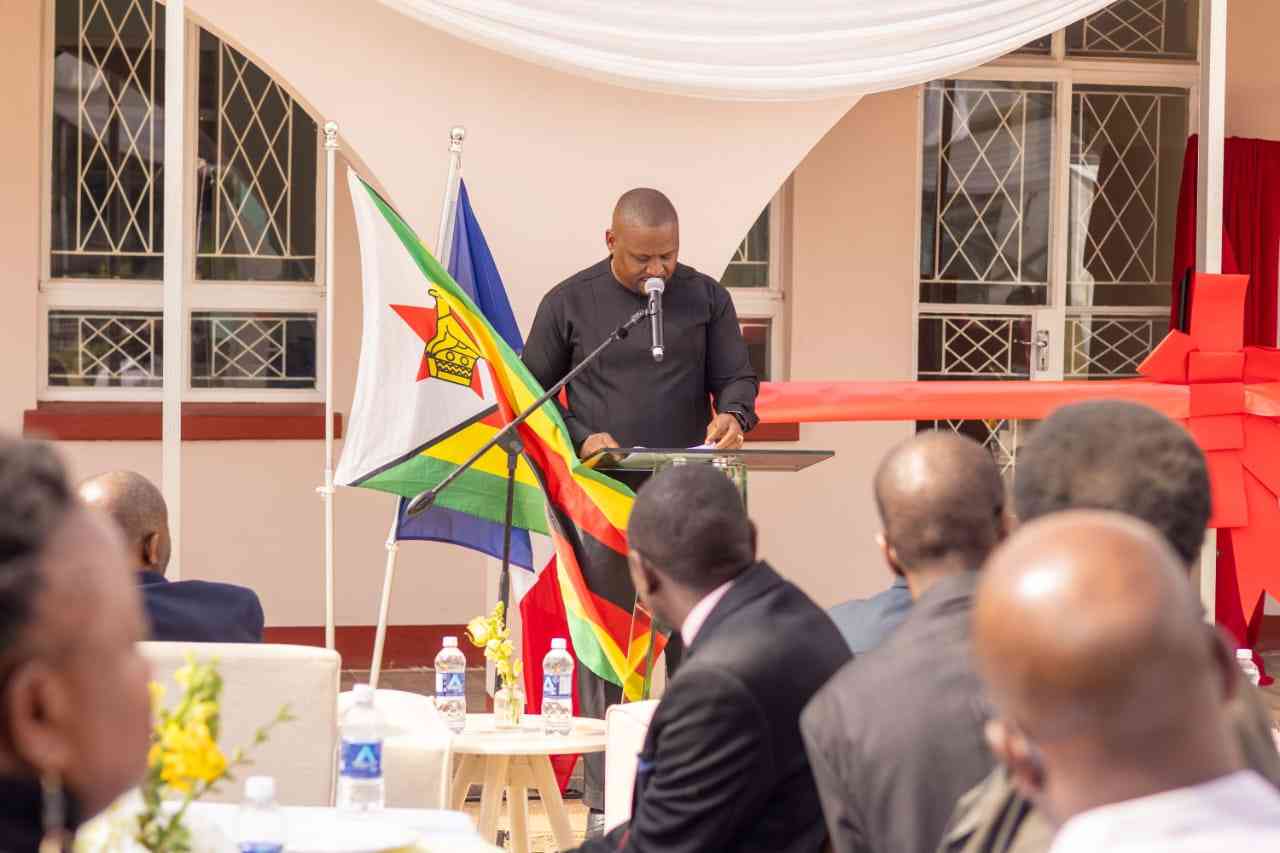
Acting minister of Foreign Affairs and International Trade Frederick Shava attended the celebrations as guest of honour alongside Chief Dakamela of Nkayi, diplomats, civil society representatives, private sector players and members of the creative industry.
EU officials said cultural collaborations between European and Zimbabwean partners would continue throughout May as part of efforts to strengthen people-to-people connections.
Since 1981, the EU has maintained relations with Zimbabwe through periods of both tension and cooperation, but this year’s celebrations highlighted culture and the arts as increasingly important bridges between the two sides.