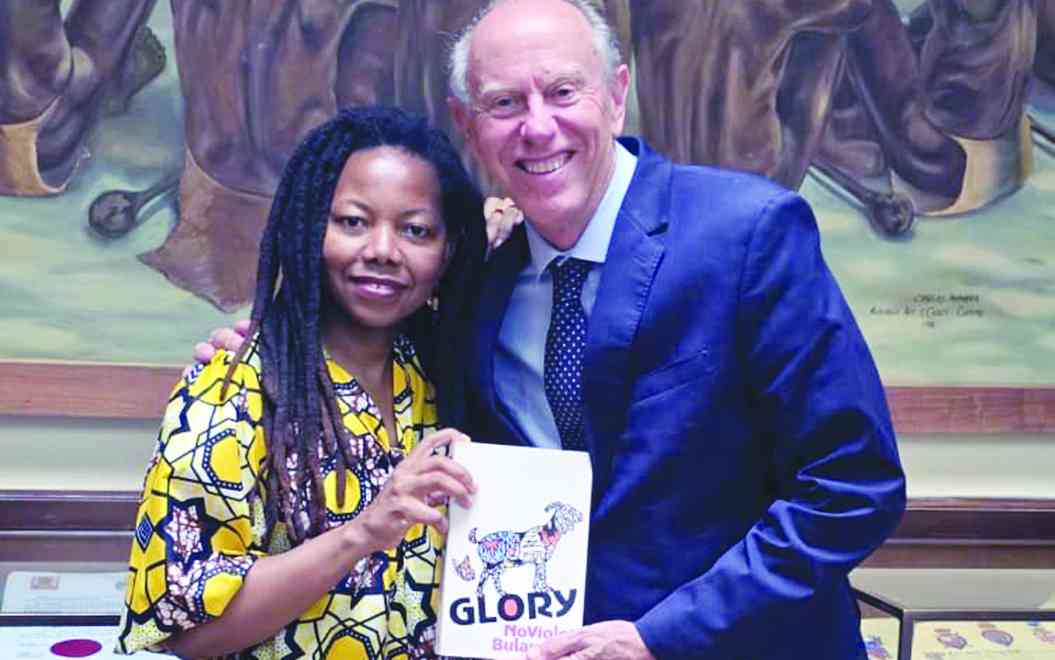
THE Caine Prize for African Writing marked its 25th anniversary with a landmark return to Zimbabwe, celebrating both literary excellence and homecoming.
NoViolet Bulawayo, the writer who carries the name of Zimbabwe’s second-largest city, returned to Bulawayo for commemorations that reflected not only her personal journey, but also the enduring legacy of African storytelling.
The anniversary events honoured her work while reaffirming the Prize’s commitment to the continent’s literary future.
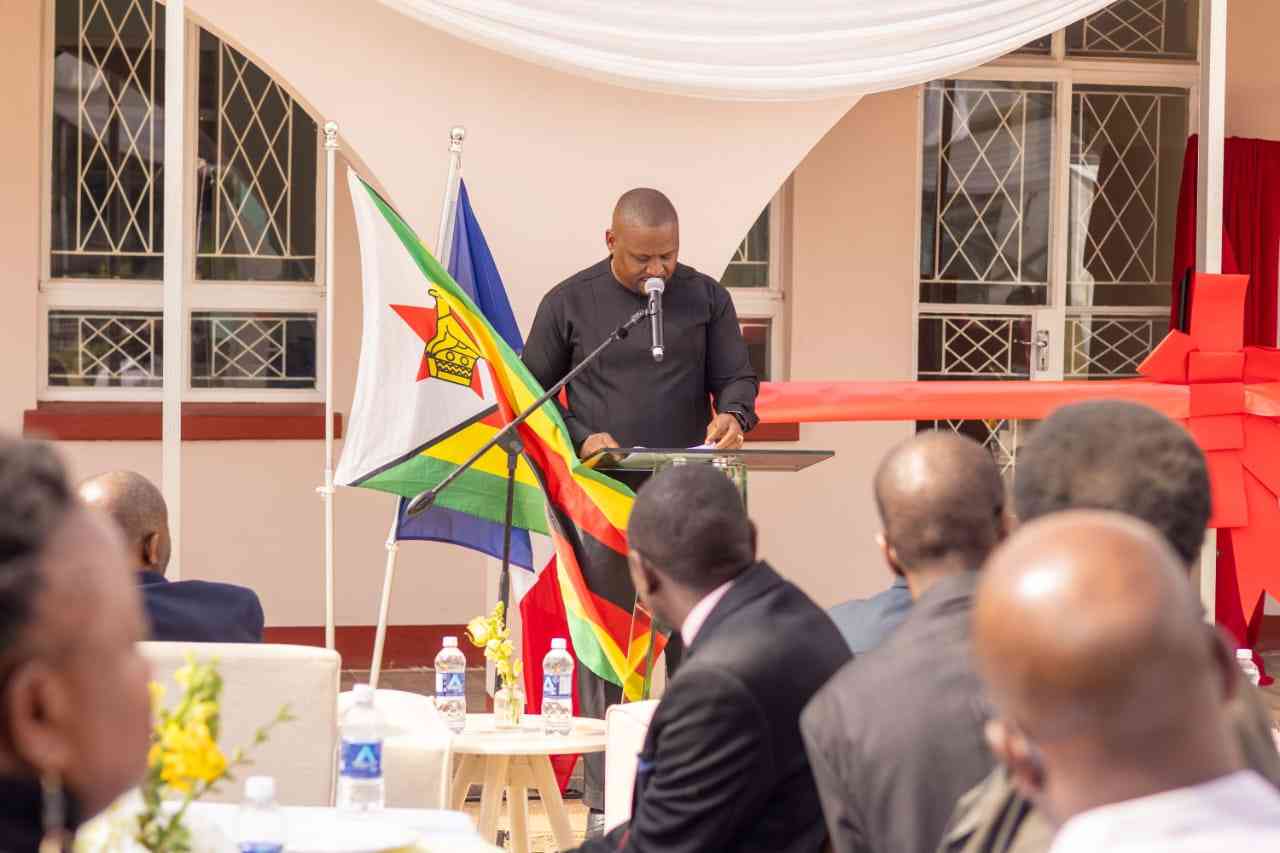
The programme opened on December 15 at the Mayor’s Parlour in Bulawayo, where NoViolet was joined by Ellah Wakatama, chair of the Caine Prize, whose leadership has been central to its international standing.
The pair were received by Bulawayo mayor David Coltart before proceeding to a public reading and in-conversation event at Mzilikazi Library, attended by local writers, readers and literary enthusiasts.
Spanning three days across Bulawayo and Harare, the anniversary programme placed NoViolet’s work at the centre of broader reflections on African writing, while highlighting the prize’s legacy and future direction under Wakatama’s stewardship.
A Zimbabwean literary figure of international standing, Wakatama is a publisher, editor and critic whose work has appeared in leading global publications including The Guardian, Griffith Review, Observer, Spectator and NPR.
Often referred to as “the African Booker”, the Caine Prize is awarded annually for a short story in English by an African writer. The winner receives £10 000 (US$13 000) and a residency at Georgetown University in Washington DC.
- Outrage over school uniform prices
- Schools reopen amid deepening teacher crisis
- Village Rhapsody: Sanctions are not the reason Zim is in a mess
- Outrage over school uniform prices
Keep Reading
NoViolet was honoured for Hitting Budapest, a short story narrated by Darling, a nine-year-old girl living in the Mzilikazi township — referred to in the story as “Paradise” — alongside her friends Bastard, Chipo, Godknows, Sbho and Stina. Driven by hunger, the children sneak into a wealthy neighbourhood called Budapest to steal guavas.
Through this lens, NoViolet evokes childhood memory while offering a stark portrayal of poverty, inequality and child abuse in post-colonial society.
Originally awarded the Caine Prize in 2011, Hitting Budapest was in 2025 selected as Best of Caine, recognising it as the most outstanding winning story in the prize’s 25-year history. The accolade placed NoViolet among an illustrious list of past winners, including Lidudumalingani (South Africa), Leila Aboulela (Sudan/Scotland), Helon Habila (Nigeria), Binyavanga Wainaina (Kenya), Yvonne Owuor (Kenya) and Rotimi Babatunde (Nigeria).
According to a statement released by the Caine Prize, the recognition “underscores both the lasting impact of NoViolet’s work and the Caine Prize’s role in identifying writing of enduring global significance”.
In conversation with Wakatama, NoViolet reflected on the universal human themes that anchor her work, observing that “death is death in Zimbabwe just as it is in Spain; the same is true of love and of childhood”.
The evening concluded with NoViolet receiving a gift of photography from writer, filmmaker and photographer, Elliot Moyo.
A central highlight of the anniversary programme took place on December 16 in Harare, with an evening reception at the Friendship Bench Hub held in honour of Bulawayo’s award.
Created specifically to mark the Prize’s 25th anniversary, the Best of Caine distinction was selected from all past winners by a judging panel chaired by Nobel Laureate Abdulrazak Gurnah, alongside award-winning author Jennifer Nansubuga Makumbi and acclaimed film producer Tony Tagoe.
The Harare reception brought together writers, publishers, readers and literary stakeholders, and featured a live performance by Zimbabwean singer-songwriter Raven Duchess.
Drawing on her experience as a writer, editor and cultural leader, Wakatama spoke about the Caine Prize’s mission to platform African writing globally.
She emphasised the importance of celebrating the milestone anniversary in Zimbabwe, underscoring the Prize’s responsibility not only to recognise excellence, but to actively support the growth and visibility of African writers.
The programme concluded on December 17 with an intimate writers’ workshop at the Friendship Bench Hub in Harare, facilitated by Wakatama, NoViolet and author Petina Gappah.
The Caine Prize on Tuesday announced its 26th edition, ushering in a new quarter-century dedicated to amplifying African literary voices.
The shortlist will be announced on September 1, 2026, with the winner revealed at an awards ceremony later that month. Entries close at midnight on February 27, 2026.