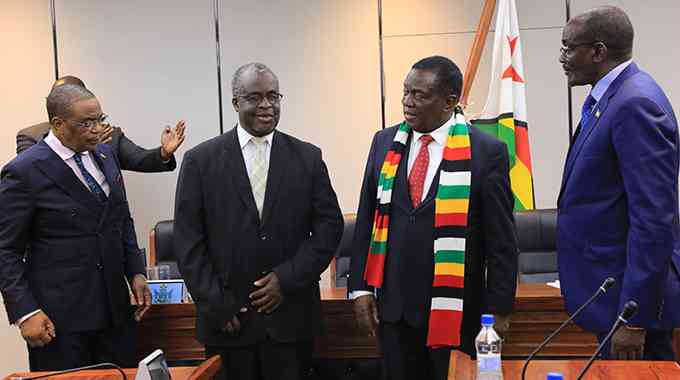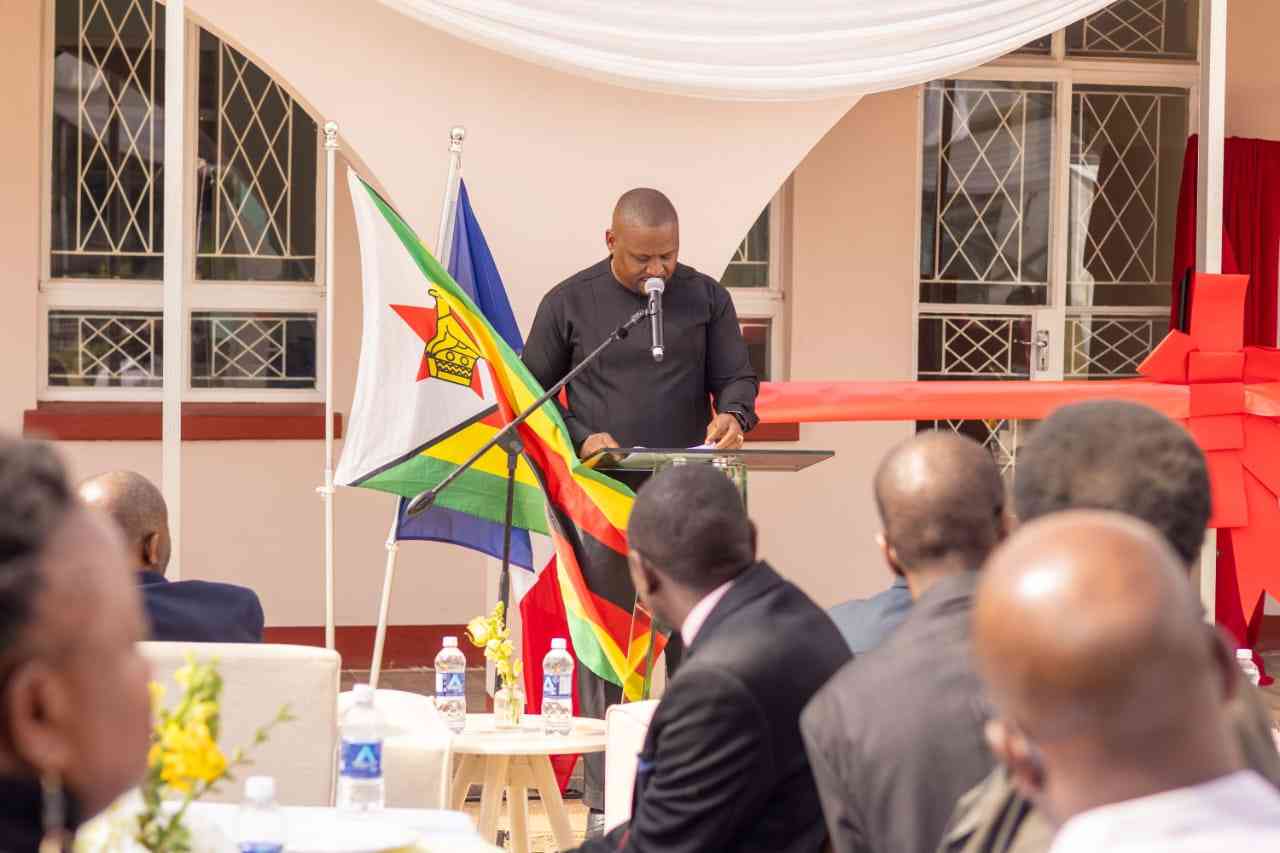

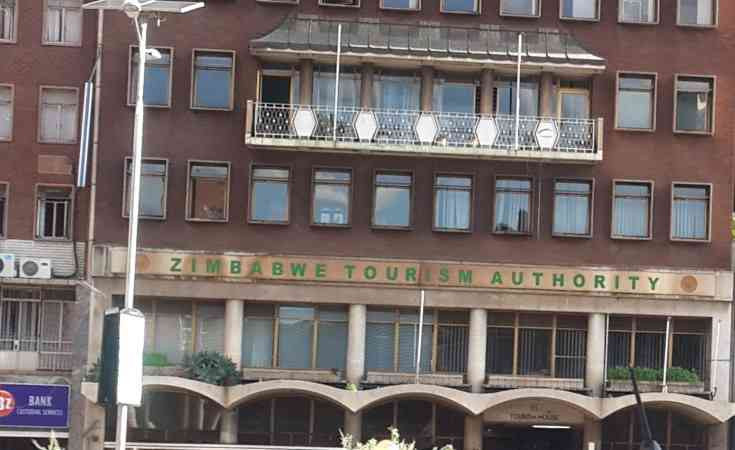
THE appointment of George Manyaya as chief executive officer of the Zimbabwe Tourism Authority (ZTA) comes at a pivotal moment for the sector.
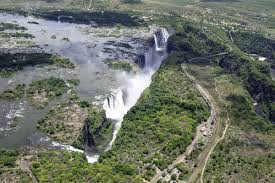
Zimbabwe boasts some of Africa’s most iconic natural and cultural assets — from the thunderous Victoria Falls to the wildlife-rich Hwange National Park and vibrant heritage sites — but much of this potential remains under-exploited due to structural, policy and operational challenges.
Manyaya faces a daunting task: turning this potential into sustainable growth while ensuring tourism drives economic recovery, community development and job creation.
Zimbabwe has set ambitious goals, aiming to build a US$10 billion tourism industry by 2030.
However, emerging policy changes threaten this momentum. In January, the government introduced a 15,5% Value Added Tax (VAT) on previously zero-rated tourism activities, including safari, cruise and transfer services. While other licensing fees were recently reduced, the new VAT raises costs for international visitors and has prompted calls from industry stakeholders for a one-year delay.
So, one immediate priority for Manyaya is policy consistency and regulatory clarity. Tourism investors, both local and international, are deterred by shifting regulations, high taxation and currency instability. Establishing a predictable, investor-friendly environment is essential. Clear guidelines on foreign exchange, permit issuance and pricing structures would instil confidence and attract long-term investment to expand the sector beyond its current hotspots.
Connectivity and infrastructure also require urgent attention. While Victoria Falls and Harare are relatively accessible, Zimbabwe suffers from limited direct international flights, poor links to secondary destinations and inadequate road networks. The ZTA must work with airlines, government agencies and private partners to improve air and road access, enabling tourists to explore regions such as Matobo, Gonarezhou and Lake Kariba. Investment in reliable utilities — power, water, internet — and waste management is equally crucial to meet modern traveller expectations.
- Prove how we ‘rig’ polls: Zec
- CCC youths camp at Chin‘ono home
- Cross border thieves target region’s game reserves
- Suspected Copper cable thieves nabbed
Keep Reading
The skills gap and human capital flight must also be addressed. Zimbabwe continues to lose trained hospitality staff to other countries, weakening service standards and limiting growth potential. Partnerships with universities, vocational institutions and industry bodies can help develop targeted training programmes, while promoting competitive wages and clear career pathways within tourism.
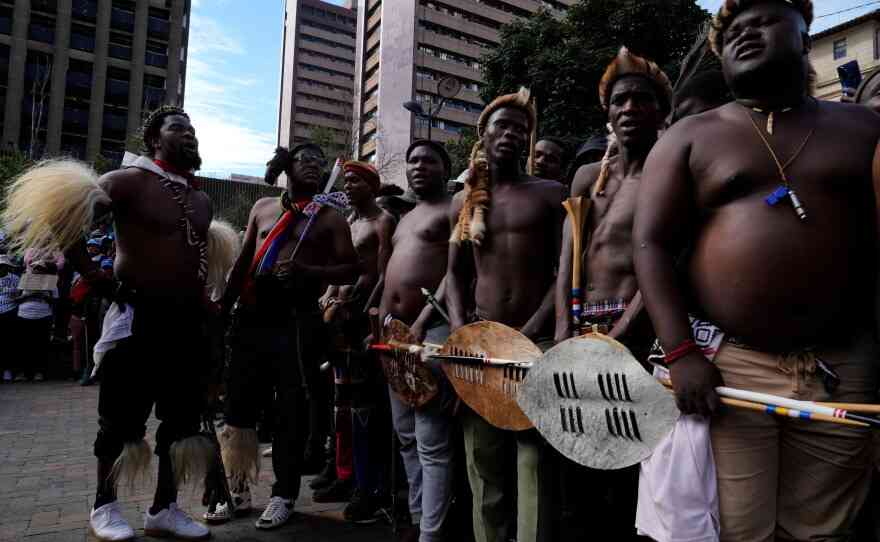
Product diversification is another area of focus. The country remains overly reliant on a handful of flagship attractions. Manyaya must champion community-based tourism, cultural tourism, adventure and culinary experiences, as well as niche sectors such as sports, conferences and eco-tourism, to increase visitor numbers, length of stay, geographic spread and local economic benefit.
Finally, marketing and destination branding cannot be overlooked. Zimbabwe needs a coordinated, modern campaign highlighting safety, value and unique experiences. Leveraging digital platforms, trade partnerships, and international media will help reshape perceptions and position the country as a must-visit African destination.