LEADING fertiliser producer Windmill has shifted much of its revenue into United States dollars as it moves to protect operations from foreign exchange risks.
The firm says shortages have forced it to source about 90% of its inputs from foreign markets, increasing exposure to import costs and foreign currency requirements.
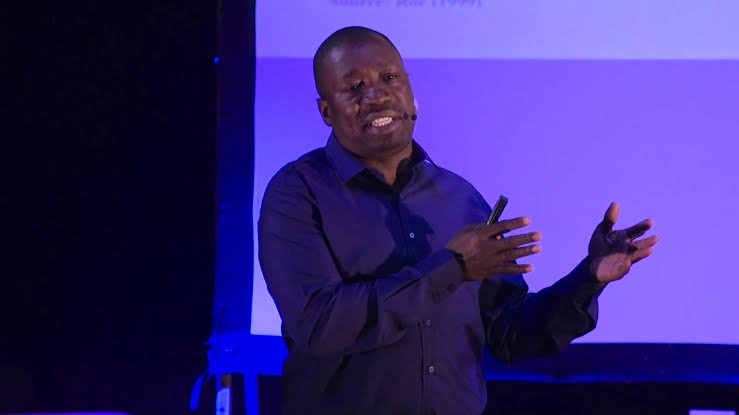
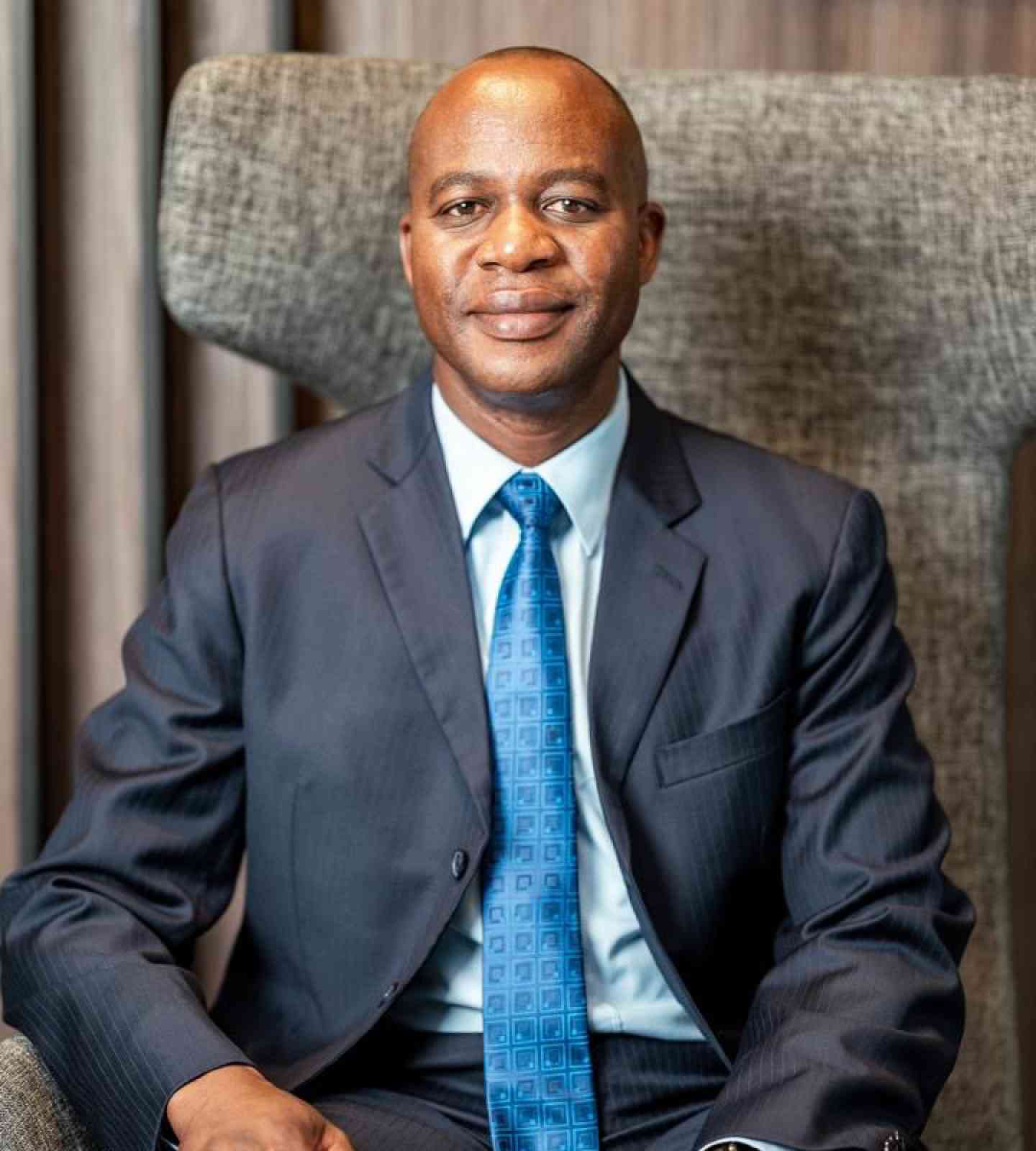
In an interview with businessdigest, Windmill chief executive officer Kudakwashe Mundowozi said the plan was meant to strengthen operational flexibility.
“We have aligned our revenue profile to US dollars, creating a natural hedge against our import obligations, while also moving earlier in the procurement cycle and diversifying supplier origins to reduce exposure to disruptions,” he said.
“We have deliberately rebuilt supplier confidence, unlocking trade credit lines that give us additional flexibility. At an operational level, we are strengthening local blending capacity to remain agile in responding to demand shifts.”
The strategy comes as Windmill continues implementing a turnaround plan under corporate rescue while navigating industry-wide challenges linked to limited local availability of key raw materials.
Mundowozi said access to foreign currency remained the most significant risk facing the upcoming agricultural season.
“The single biggest risk to the 2025/2026 agricultural season is foreign currency liquidity and timing,” he said.
- Malawi warms up to Zim products
- Windmill reclaims land from ‘land barons’
- Windmill ‘stops the bleeding’, but new frustration emerges
- The Zimbabwe Independent apology
Keep Reading
“In our operating environment, where approximately 90% of our inputs are imported, the ability to access foreign currency at the right time is the difference between enabling a successful planting season and missing critical application windows.”
While climate variability and movements in global fertiliser prices remain structural challenges, Mundowozi said the immediate concern for the sector was ensuring timely access to foreign currency. To mitigate operational risks, the company is also investing in climate-resilient product solutions aimed at helping farmers maintain productivity in increasingly unpredictable weather conditions.
“Ultimately, this is about ensuring continuity of supply in an environment where timing is everything,” Mundowozi said.