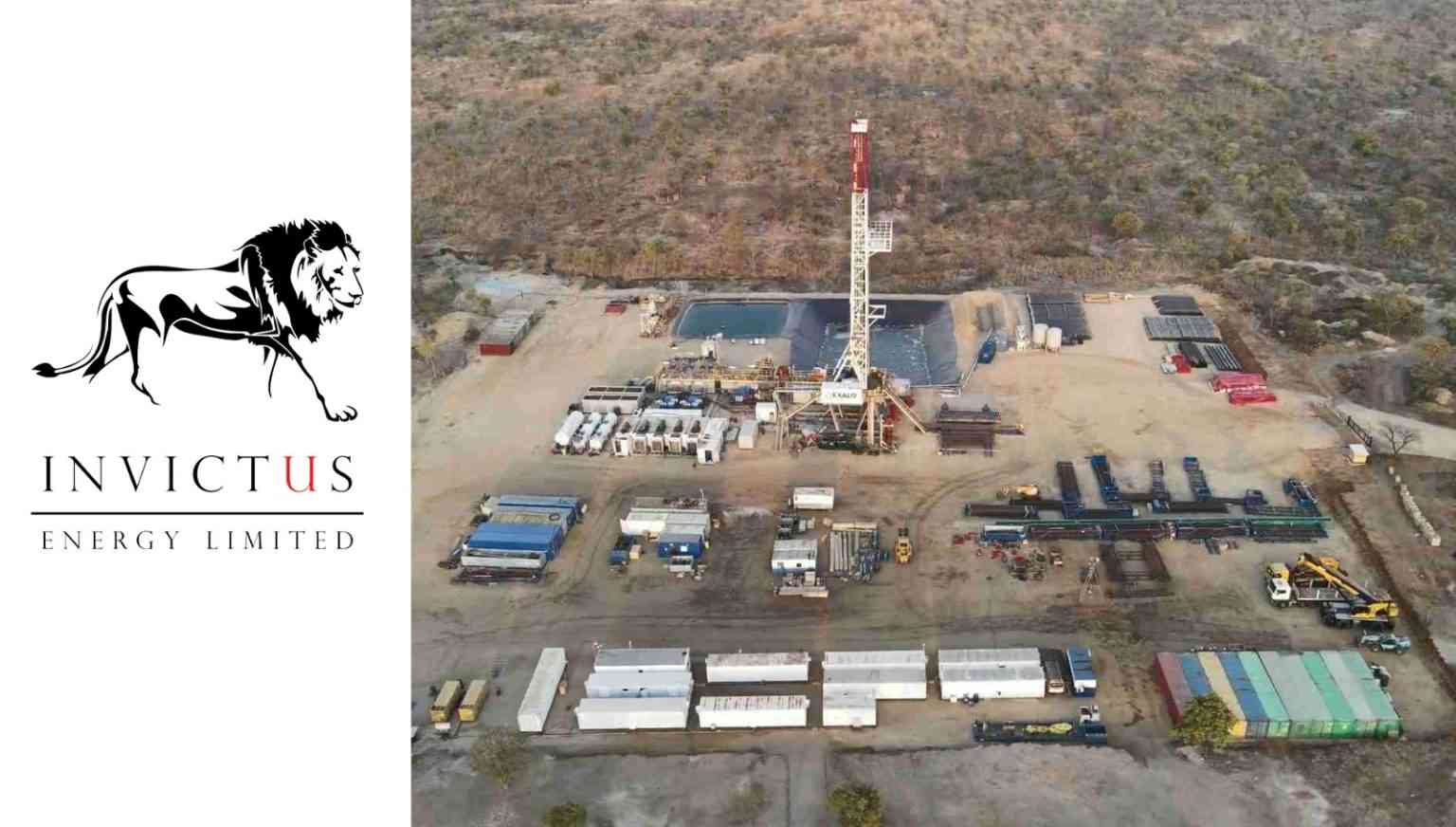
AUDITORS have raised concern over the financial viability of Invictus Energy — the Australia-listed resources junior scouting for gas and oil in Zimbabwe’s Zambezi Valley — casting a shadow over one of the country’s most closely watched energy bets.
There is significant doubt over the company’s ability to continue as a going concern, even as it pushes ahead with Zimbabwe’s flagship Cabora Bassa oil and gas project, according to statements from Invictus.
In an independent review of Invictus’ half-year financial report for the period ended December 31, 2025, BDO Audit Pvt Ltd director Dave Andrews flagged a “material uncertainty” over the group’s future.
“We draw attention to Note 1 in the financial report which describes the events and/or conditions which give rise to the existence of a material uncertainty that may cast significant doubt about the group’s ability to continue as a going concern and therefore the group may be unable to realise its assets and discharge its liabilities in the normal course of business,” Andrews said.
“Our conclusion is not modified in respect of this matter.”
The warning lands at a delicate moment, as the Australian-headquartered explorer is now in the most capital-intensive phase of its Zimbabwean ambition. It is a stage where discoveries must be converted into bankable development plans. But this transition has broken many junior explorers globally.
Invictus continues to post losses while consuming cash.
The company recorded a loss after tax of A$4,2 million for the half-year, widening from A$3,3 million in the comparable period. Net cash outflows from operating and investing activities reached A$4,1 million. The company acknowledged the funding risk in its report.
- Stampede for Zim oilfields... US$17m raised ahead of landmark drill
- Africa's oldest dinosaur found in Zimbabwe
- ZVDT laments lack of development in Zambezi Valley
- All eyes on the Zambezi valley oil rigs
Keep Reading
“The going concern concept relates to the assessment of the company’s ability to continue its operations (and pay its debts when they fall due) for the next 12 months… without the need to raise money from issuing shares or other sources of funding,” the company said.
“This results in a material uncertainty that may cast a significant doubt about the company’s ability to continue as a going concern, and therefore the group may be unable to realise its assets and discharge its liabilities in the normal course of business.”
At the centre of the strain is a collapsed funding lifeline.
In January, Invictus terminated a major financing arrangement with Al Mansour Holdings and Al Mansour Oil & Gas after the parties failed to agree revised terms compliant with regulatory and governance requirements.
The deal, signed in August 2025, would have seen Al Mansour acquire a 19,9% stake for A$37,8 million and potentially unlock up to US$500 million in future funding for Cabora Bassa.
Its collapse shut off what had been the company’s most significant pathway to deep-pocketed capital. Analysts said it was critical blow at a time when exploration success must be matched by financial muscle.
Invictus has since scrambled to stabilise its position. This week, it secured binding commitments for a A$10 million placement to support ongoing work at Cabora Bassa. But it is a modest raise relative to the scale of funding ultimately required.
Managing director Scott Macmillan said the capital injection would underpin the next phase of exploration.
“We are pleased with the backing Invictus has received from both existing and new shareholders as we prepare to follow up the successful Mukuyu gas discovery with a new exploration campaign targeting the high-impact Musuma prospect,” Macmillan said.
He described the planned well as “a low-cost, low-risk vertical well” with “significant upside”.
“Success at Musuma would unlock a new play fairway, significantly advancing our forward development plans, expand our resource base and accelerate the transition from exploration to commercial development,” he said.
The Cabora Bassa basin has drawn intense attention since the Mukuyu gas discovery rekindled hopes of a domestic hydrocarbon industry in Zimbabwe, a country that has spent decades importing fuel and battling chronic energy shortages.
But the auditors’ warning lays bare the reality that discovery alone is not enough. Moving from geological promise to commercial production requires sustained capital, technical depth and investor confidence.
For Zimbabwe, the stakes are unusually high. A viable oil and gas industry could ease import dependence, stabilise energy supply and reshape the country’s external accounts.
But if funding gaps persist, Cabora Bassa risks joining a long list of stranded frontier projects. Across southern Africa, the exploration landscape is heating up — but with a familiar divide between high-potential discoveries and the brutal economics of funding them.
In Namibia, offshore oil exploration has surged into one of the world’s hottest frontiers following major discoveries in the Orange Basin by global energy majors. The finds have triggered a wave of follow-up drilling campaigns, with billions of dollars now earmarked for appraisal and early-stage development.
Namibia’s success has shifted investor attention to the broader southwest African margin, raising expectations along the Atlantic coast.
South Africa is also pushing ahead with offshore gas exploration, particularly in the Outeniqua Basin, where existing discoveries are being reassessed amid efforts to secure domestic energy supply. However, regulatory hurdles and environmental litigation continue to slow momentum.
Mozambique remains the region’s most advanced gas story, with its vast offshore LNG projects gradually regaining traction after security disruptions in Cabo Delgado. International operators are cautiously resuming development activities, reinforcing the country’s position as a future global gas supplier.
Botswana and Zambia, meanwhile, are intensifying early-stage exploration, focusing on sedimentary basins that remain underexplored.
These are long-cycle bets, with uncertain timelines and heavy reliance on speculative capital.
Against this backdrop, Zimbabwe’s Cabora Bassa project sits in a competitive but volatile frontier space. The geology may be promising — but as Invictus’ latest financial strain shows, the real test lies not underground, but in the balance sheet.
- Exchange rate: US$1:A$1,40.