
PROPERTY developers have called on government to undertake a sweeping regulatory impact assessment to audit the web of taxes, levies and fees imposed across Zimbabwe’s property development cycle, warning that ballooning statutory costs are choking the sector’s capacity to deliver housing at scale.
The call comes after developers revealed in November 2025 that taxes and levies now account for more than 25% of total project costs, a burden industry players say has rendered many housing developments financially unviable.
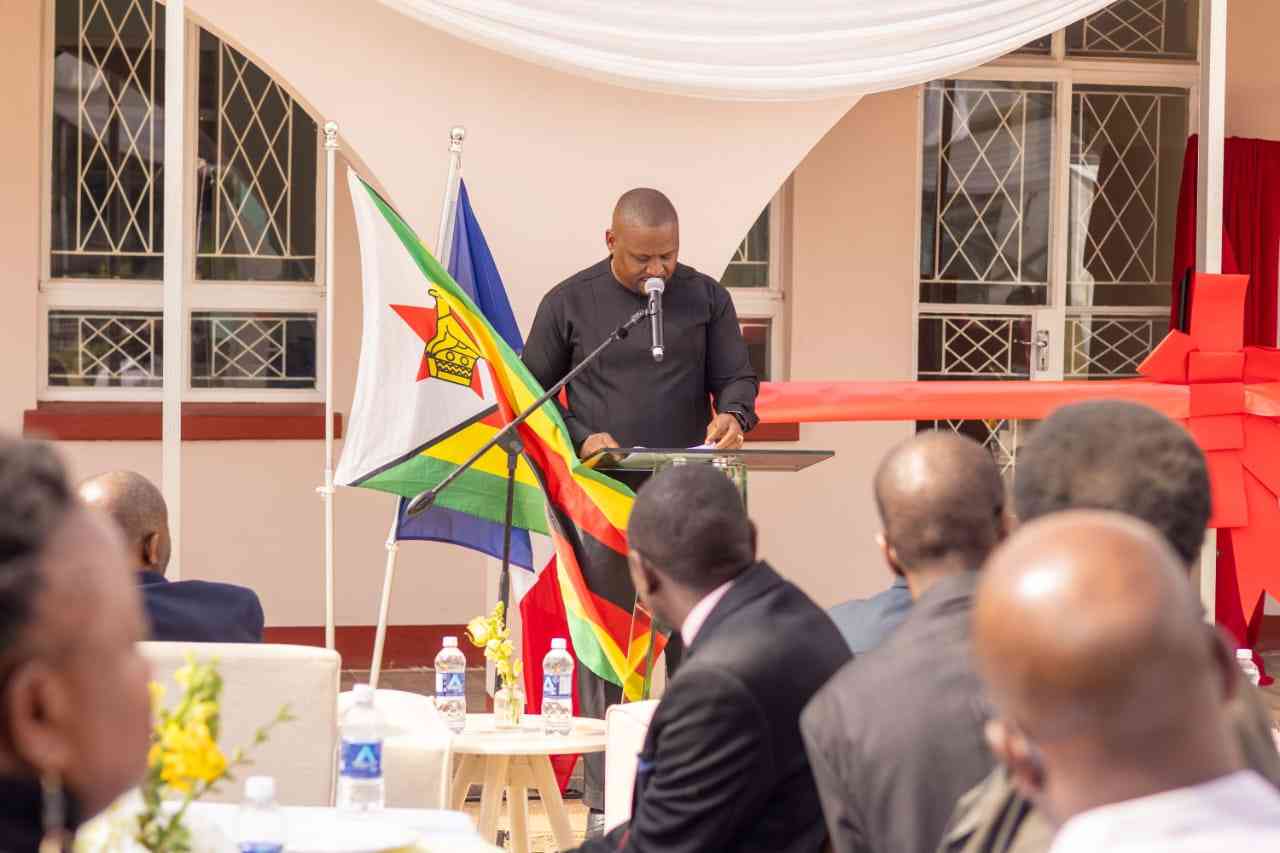
In an interview with businessdigest, Property Developers Association of Zimbabwe interim chairperson Arnold Khanda said the current cost structure was unsustainable and required urgent policy intervention.

“Our core proposal is a holistic review and rationalisation of all property-related charges,” he said.
“We urge the government to conduct a regulatory impact assessment to audit all taxes, levies and fees from conception to completion of a standard housing project.”
The association is proposing that total statutory costs be capped at between 5% and 10% of overall project value, with a more concessional band of 0% to 5% for low-cost housing developments to improve affordability and stimulate supply.
Khanda also pushed for the adoption of a “silence is consent” framework, under which regulatory approval would be automatically granted if authorities fail to respond to complete applications within a prescribed timeframe.
“This would dramatically cut delays and remove toll-gating,” he said.
- Letters to the editor: PVOs Bill must be shot down
- KIFC eyes Zim financial sector
- New perspectives: Impact of tax policy on gender equality
- Scrap IMTT to save industry, govt urged
Keep Reading
Beyond regulatory reform, developers are seeking targeted fiscal incentives, including tax holidays or reduced corporate tax rates for projects that deliver a verifiable number of affordable housing units.
Khanda said current tax treatment for property sold on instalment terms was particularly punitive and undermined project viability.
“A lot of projects are sold on instalments over time, yet VAT becomes due on the full value or a significant portion at invoice stage, often swallowing the entire deposit,” he said.
“This creates untenable circumstances, as developers need the deposit to build, while buyers struggle to raise it in the first place.”
Allowing a fixed pro-rata VAT payment structure tied to instalments received, Khanda argued, would ease cashflow pressures for developers and buyers alike while improving compliance and encouraging formalisation within the sector.
He said the proposed reforms were aligned with government priorities, noting that housing had been placed at the centre of the 2026 national agenda alongside, efforts to broaden the tax base and formalise economic activity.
“We have a unique opportunity to align these goals,” he said, pointing to China, where property development at its peak accounted for nearly a quarter of gross domestic product and close to 70% of household wealth, while driving demand across cement, steel and other downstream industries.
While Zimbabwe’s policy focus has traditionally prioritised mining and agriculture, Khanda argued that property development remains an underutilised economic engine with significant revenue potential.
“There is a silent tiger in property development that, with the right backing, can catapult growth and rank among the top five contributors to GDP,” he said.
Zimbabwe faces a housing deficit estimated at more than one million units despite abundant land and willing developers, he added.
“The environment is hostile and predatory towards the very industry that could accelerate economic growth,” Khanda said.
“By slashing red tape and cost burdens, we can unlock investment, create jobs and speed up the delivery of homes.”