On February 25, Zimbabwe did not merely announce a policy. It detonated a paradigm shift. With one uncompromising decree, Harare imposed an immediate and indefinite ban on all exports of raw minerals and lithium concentrates. No grace period. No phased rollout.
Every shipment already in transit was halted in its tracks. This was not bureaucratic hesitation. It was sovereignty in motion, a deliberate rupture with the colonial script that has long defined Africa’s place in the global economy.
For generations, Africa’s mineral wealth has been siphoned off in its rawest form, shipped to foreign refineries, and returned as finished products at a premium. This is an extractive cycle that has enriched others while impoverishing the continent.
Zimbabwe has endured this plunder for decades, punished by illegal sanctions and subjected to the West’s selective morality, where democracy and legality are invoked only when they serve external interests. Yet this time, Harare refused to wait for validation, refused to calculate short‑term economic impact, refused to play the role of compliant quarry. It acted unapologetically, declaring with clarity and defiance that beneficiation will happen here, not abroad.
This was not simply a policy decision. It was a warning shot at the global battery supply chain, and a reminder that Africa is no longer content to be the raw material appendage of industrial powers.
It was a declaration that sovereignty is not a slogan but a practice, and that the continent’s mineral wealth will no longer be exported as crumbs while its people import dependency.
Why timing matters
Zimbabwe’s lithium exportation ban was never meant to be a polite policy adjustment. It was a calculated act of discipline. Originally scheduled for January 2027, the government had intended to give mining companies ample time to build local processing capacity, but when Harare observed the industry’s frantic, almost predatory scramble to strip the land bare before the deadline, it refused to indulge opportunism.
- Zimbabwe deals help China tighten African lithium grip
- Zimbabwe deals help China tighten African lithium grip
- Zimbabwe’s huge say in US$60m lithium market
- Pioneering Zim lithium executive steps down
Keep Reading
The clock was moved forward without warning, not out of recklessness but out of resolve. This was a refusal to let sovereignty be gamed by extractive interests that have long treated Africa as a quarry.
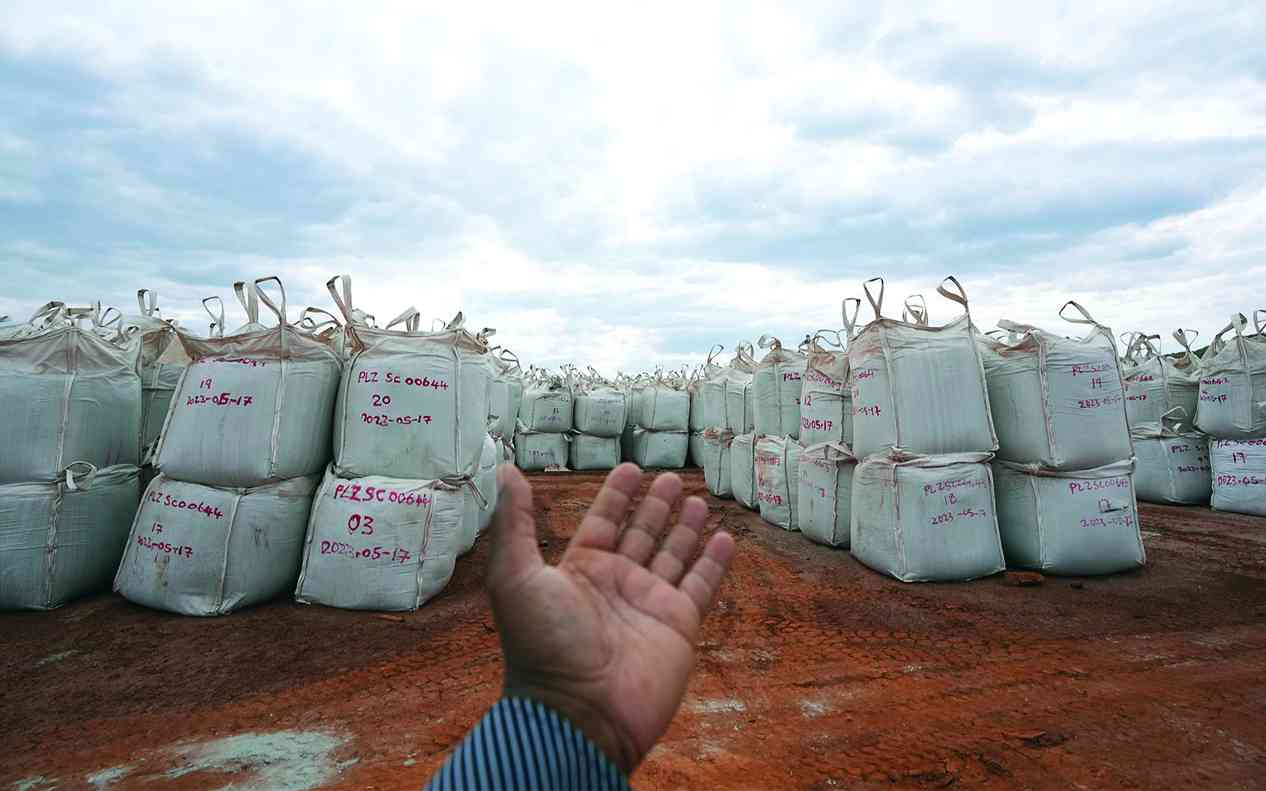
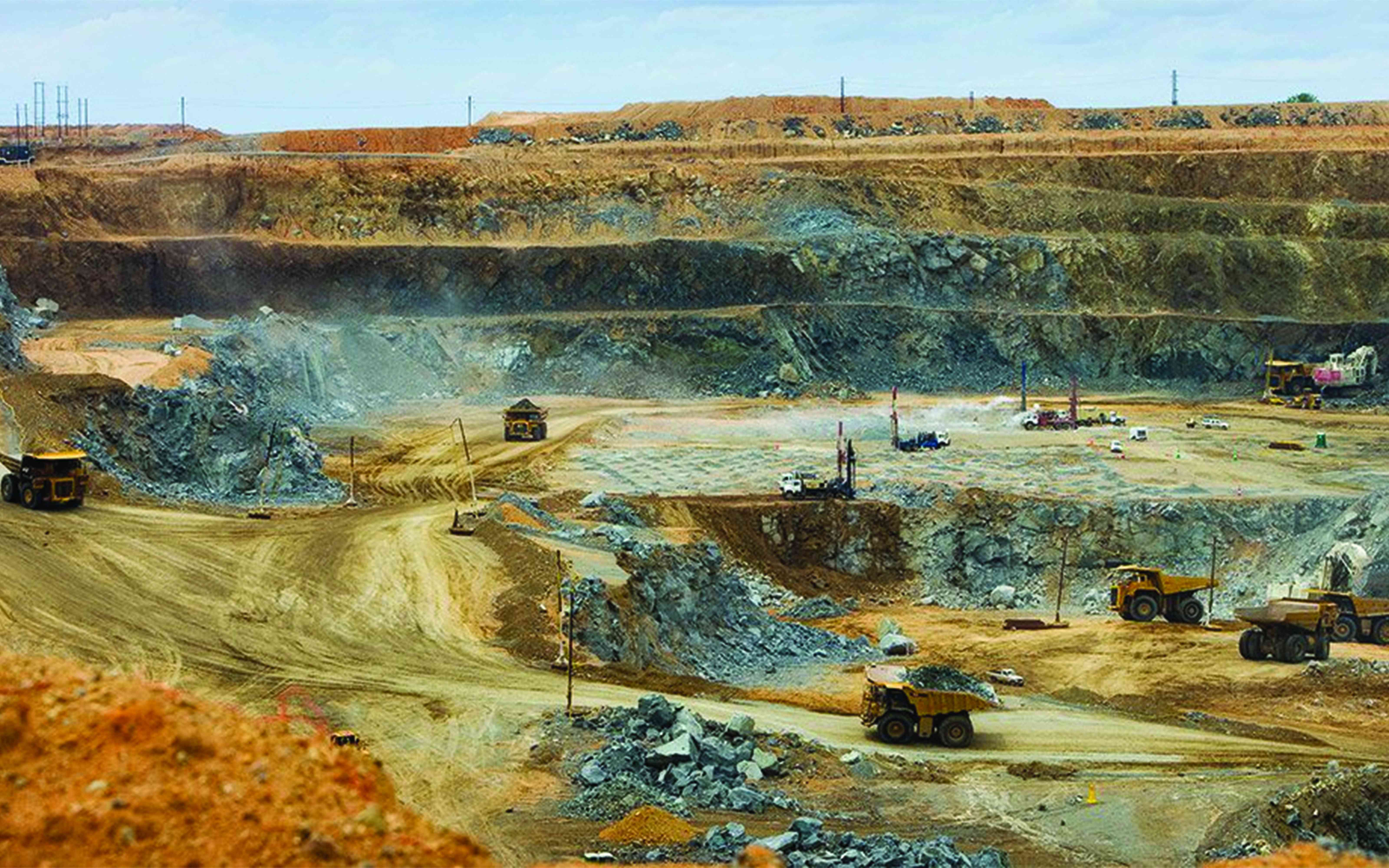
The numbers themselves reveal the magnitude of this defiance. Zimbabwe holds Africa’s largest lithium reserves, a resource now indispensable to the global battery supply chain. In 2025 alone, the country exported 1,5 million metric tonnes of lithium concentrate, worth US$571,6 million, almost entirely to China.
The Rubaya mines alone account for 7% of global lithium carbonate equivalent supply, while China sources 15% of its spodumene imports from Zimbabwe. These figures are not mere statistics. They are the architecture of global dependency, proof that Zimbabwe sits at the nerve centre of the energy transition.
By halting exports, Harare has sent an unambiguous message: Zimbabwe will no longer be reduced to a pit stop in the supply chain of others. It will not remain a quarry feeding foreign refineries while importing finished dependency.
Instead, it will be a refinery, a manufacturer, a sovereign actor in the trade sphere. This is not just economic policy. It is a declaration of intent, a refusal to let Africa’s future be written in the margins of contracts signed elsewhere.
Continental reverberations
This is not an isolated act of defiance. It is part of a broader continental insurgency against the old extractive order. Indonesia set the precedent with nickel, refusing to remain a mere supplier of raw ore and instead forcing global industries to reckon with its sovereign terms.
The Democratic Republic of Congo followed with cobalt, asserting control over a resource that powers much of the world’s electric future. Now Zimbabwe has joined the chorus with lithium, and in doing so, it has amplified the resonance of a continental awakening. Africa is beginning, at last, to dictate the terms of its mineral destiny rather than surrendering them to foreign capitals.
The implications are profound. Zimbabwe’s mine workers union has already demanded that the ban be extended to gold, platinum, and diamonds, resources that have long been siphoned off with little benefit to the nation. Should Harare heed that call, the tremors will not be confined to Zimbabwe; they will reverberate across the architecture of global supply chains, shaking the foundations of industries that have grown fat on Africa’s dispossession.
What emerges is not a policy tweak but a tectonic shift; a continent refusing to be quarry, demanding to be refinery, manufacturer, and sovereign actor in the trade sphere.
Beyond Mugabe’s legacy
For years, Zimbabwe’s trade posture was trapped in a paradox: isolation enforced by sanctions, rhetoric of sovereignty proclaimed from podiums, yet no machinery to translate defiance into structural power. Sovereignty was spoken, but not enacted. Today, however, the country is demonstrating a new kind of authority, pragmatic, unapologetic, and unafraid to disrupt the delicate choreography of global markets. This is not the sovereignty of slogans but of policy, not the sovereignty of resistance alone but of execution.
Unlike fellow African states that continue to bow to donor carrots and neo‑colonial overtures, Zimbabwe has chosen rupture over compliance. It has refused to be seduced by promises of aid that come tethered to surveillance, or trade deals that disguise dispossession as partnership. In halting the export of raw lithium, Harare has declared that Africa’s mineral wealth will no longer be the quarry of others but the foundation of its own industrial future. This is sovereignty with teeth, discipline that refuses opportunism, defiance that refuses dependency, and vision that insists Africa must no longer negotiate from weakness but from strength.
The continental question
Could this be the dawn of Africa’s industrial reawakening, the moment when sovereignty ceases to be a slogan and finally hardens into trade policy? Zimbabwe has declared, with unmistakable clarity, that the next decade will not be squandered exporting raw wealth only to import finished dependency. Instead, it will be about value addition, beneficiation, and unapologetic ownership, a deliberate rupture with the colonial script that has long defined Africa’s economic fate.
For too long, sovereignty in Africa has been ignored, dismissed, or cynically traded away in exchange for donor carrots and conditional partnerships. Zimbabwe’s lithium ban is more than a policy adjustment.
It is a declaration of intent, a refusal to remain quarry while others refine, profit, and dictate. It is a reminder that sovereignty is not a rhetorical flourish but a practice, one that must be enacted in the hard terrain of trade, industry, and global supply chains.
A continent long subdued may finally be stirring, and the tremors will not be confined to Harare. They will reverberate across Africa’s mineral belts, into the corridors of global markets, and through the architecture of international power.
The world will have to listen, because Africa is no longer whispering its sovereignty; it is asserting it, unapologetically, in the language of policy, disruption, and destiny.
Wellington Muzengeza is an independent journalist, political risk analyst and urban strategist offering incisive insight on urban planning, infrastructure, leadership succession, and governance reform across Africa’s evolving post-liberation and urban landscapes.