
ZIMBABWE’S economy is reportedly on the rebound, according to statements from the country’s monetary authorities and the Ministry of Finance.
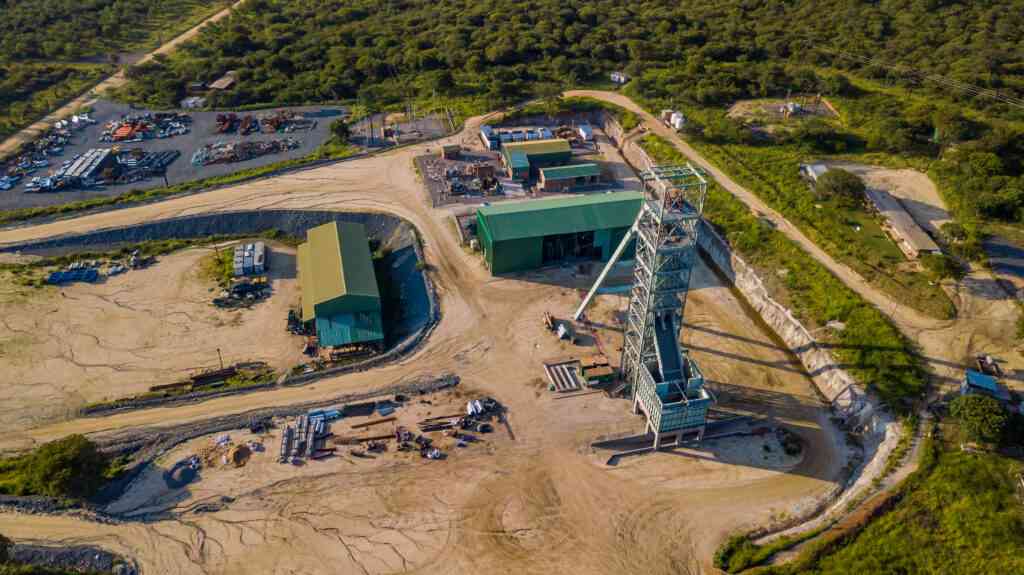
At the time of writing, growth of 6,6% has been reported, largely attributed to exports exceeding imports. This sectoral growth is being buoyed by continued positive momentum in mining and agriculture. The extractive sector, in particular, has shown visible movement as investment continues to trickle in, with Chinese investors leading activity in lithium and gold mining.
Gold prices have remained firm, and output has risen significantly. Mining now contributes a staggering 27% of the country’s gross domestic product. The ZiG has remained stable and, according to the Zimbabwe National Statistics Agency, year-on-year inflation for January 2026 fell to single digits for the first time since the 1990s, dropping to 4,1%.
Above-normal rainfall across the region, including Zimbabwe, also promises good harvests and, by extension, improved food security. Other positive developments have been reported by companies such as Caledonia Mining Corporation and the Manhize Dinson Steel Plant, among others. Yet these encouraging stories often seem to fizzle out as little more than headline announcements, failing to translate into visible socio-economic transformation.
While inflation has fallen, there has been no tangible improvement in the lives of most citizens. The Manhize plant has reported impressive employment figures, but this and similar ventures have not meaningfully improved living standards for the majority.
Zimbabwe continues to be hampered by weak institutions, a lack of transparent governance, and the absence of clear, inclusive development strategies. As a result, ordinary people remain burdened by soaring poverty levels. The country is awash with glossy narratives about growth in specific sectors — particularly gold mining — but there is little to show in terms of inclusive and broad-based development.
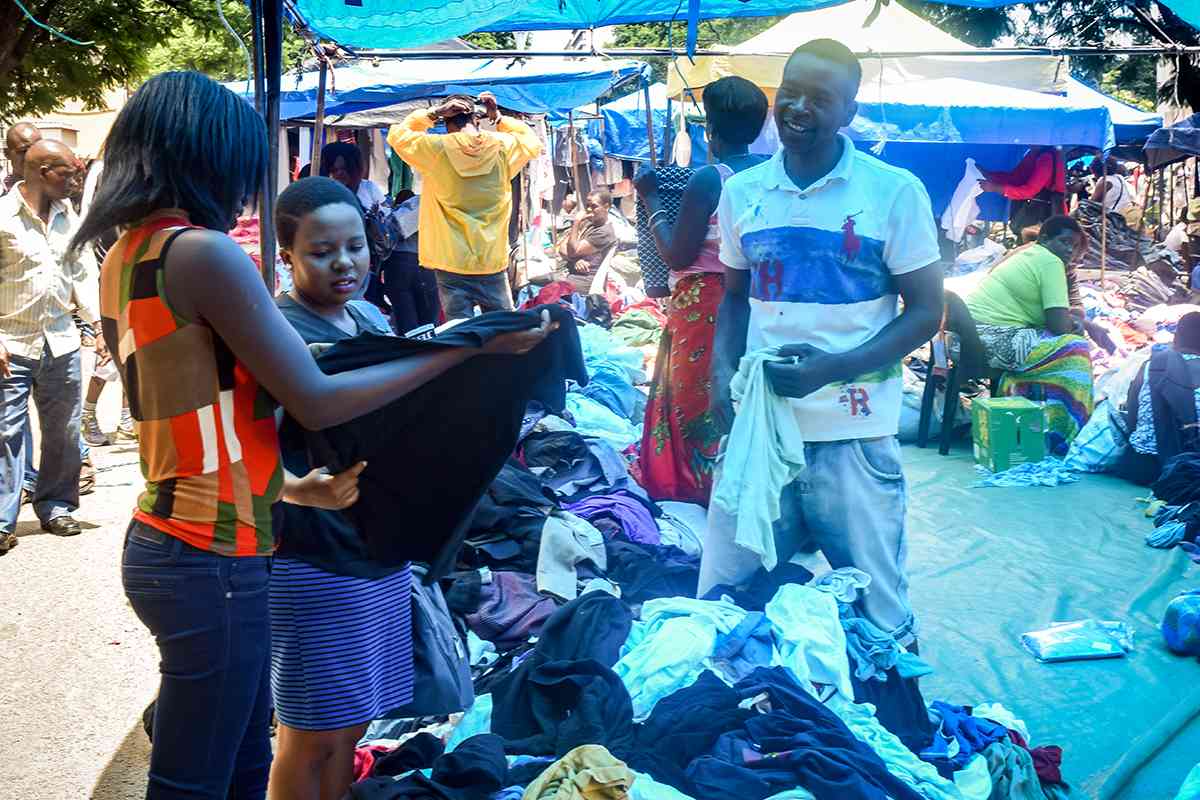
The government and several of its agencies, including local authorities, are failing to capitalise on these positives. Poverty remains widespread, with millions of citizens forced into vending simply to survive.
- Caledonia profits up 16% after record production
- Power crisis pushes Blanket Mine into fresh costs
- Caledonia profits up 16% after record production
- Caledonia splurges US$4m on Zim gold mine
Keep Reading
The impressive figures being cited have not translated into meaningful national transformation or into visible infrastructure development across all provinces.
Funding for education and health has never been reliably guaranteed. Those with deep pockets access elite or foreign schools, while the rest endure overcrowded and under-resourced public institutions. The same pattern applies to healthcare: the elite rely on private facilities or seek treatment abroad, while ordinary citizens must contend with underfunded government hospitals lacking adequate drugs and equipment.
It is time for Zimbabwe to truly build on the positives it reports and ensure that economic gains translate into real improvements in the lives of ordinary citizens, rather than continuing down a path that entrenches inequality.