The Chairperson of the Standing Committee on Human and Social Development and Special Programmes (HSDSP) of the SADC Parliamentary Forum, Hon. Mope Khati, has called on parliamentarians across Southern Africa to move beyond commitments and translate regional protocols on education and employment into concrete national action.
He warned that failure to do so could turn the region’s demographic dividend into “a demographic disaster.”
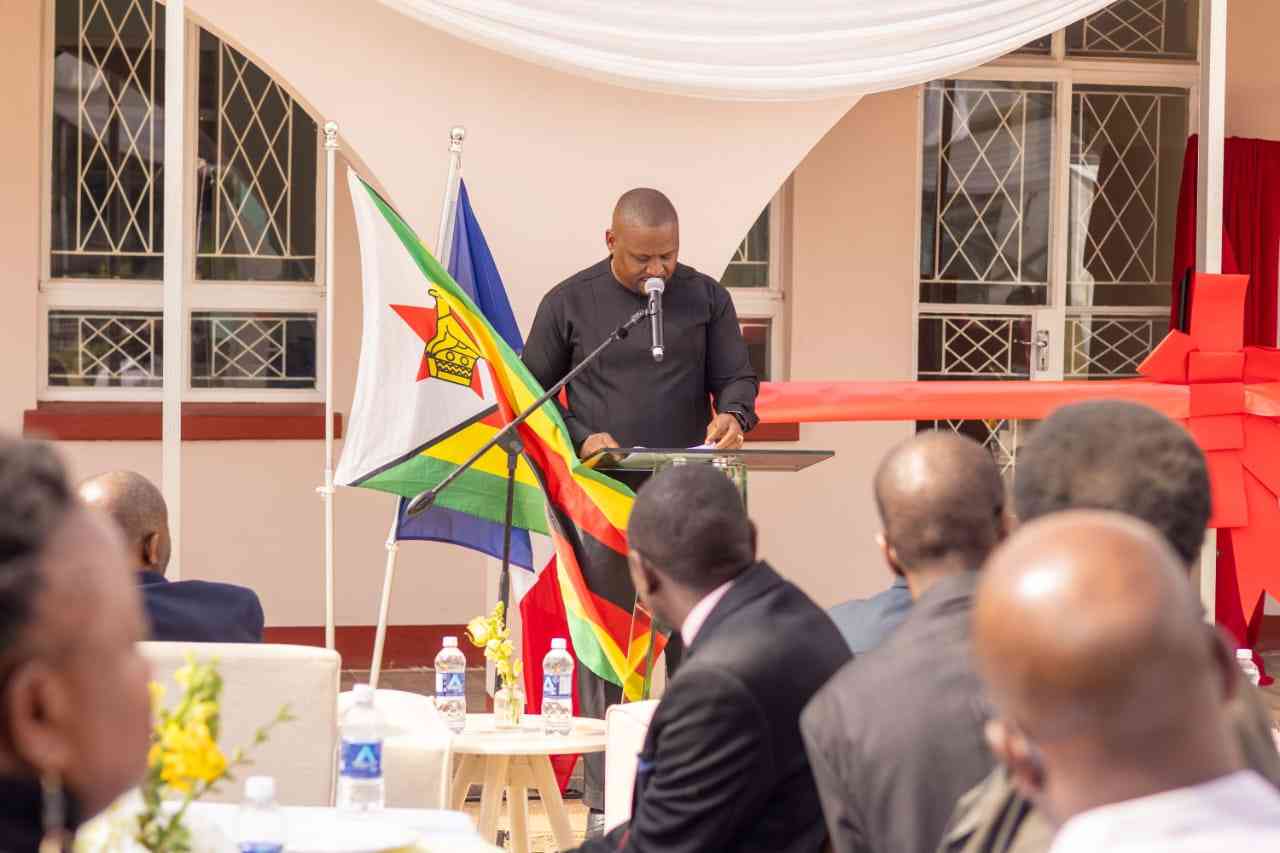
Opening the statutory meeting of the Committee on 27 March 2026 in Gaborone, Hon. Khati described the gathering as a decisive moment for the region and stressed that education, employment and social stability are inseparable pillars of sustainable development.
He urged Members of Parliament to forge practical solutions to rising unemployment, social vulnerability and inequality affecting young people across the SADC region.
“We will focus our collective minds on a theme that is not just relevant, but critical for the future of our region aptly put as ‘Leveraging SADC Protocols on Education and Employment to Build Resilient and Inclusive Human Capital for the Future,’” he said.
The three-day meeting is examining the SADC Protocol on Education and Training (1997) and the SADC Protocol on Employment and Labour (2023). The Chairperson described those instruments as mutually reinforcing rather than standalone frameworks. He cautioned that weak education systems inevitably lead to fragile labour markets and wider social instability.
“It goes without saying that the journey of a productive, healthy, and empowered citizen begins in a classroom,” Hon. Khati noted.
The meeting comes at a time when many countries in Southern Africa are grappling with high youth unemployment and widening social pressures, challenges the Chairperson described as a “human and social emergency.”
- Cabinet approves Sadc prisoner swop protocol
- Lobby group frets over few women politicians
- Summit celebrates gender champions
- Education and employment protocols in focus as SADC PF Committee meets in Gaborone
Keep Reading
He warned that unemployment among young people is increasingly linked to rising drug and substance abuse, gender-based violence and child marriage, calling these outcomes “the toxic by-products of the collective failure to connect the dots between education, employment and social protection.”
Hon. Khati highlighted the region’s growing youth population as both its greatest opportunity and its greatest risk. He stressed that the so-called youth bulge will only translate into prosperity if governments deliberately invest in education, skills development and job creation.
The deliberations are focusing on the informal economy, where more than 70 percent of the region’s workforce earns a living. The Chairperson challenged parliamentarians to rethink traditional policy approaches by recognising informality as a source of innovation and economic growth rather than merely a problem to be managed.
“Our task is not to eliminate it, but to formalise and integrate it,” he said.
He called for stronger social protection systems, improved access to finance and targeted skills development to unlock the sector’s full potential.
Hon. Khati urged parliamentarians to champion the ratification, domestication and oversight of regional protocols to ensure tangible benefits for citizens. He stressed that international agreements must be backed by enforceable national laws and adequate funding.
Participants at the meeting include Members of Parliament from SADC Parliamentary Forum Member States serving on the HSDSP Committee, the Secretary General of the Forum, H.E. Ms. Boemo M. Sekgoma, staff of national parliaments and the SADC PF Secretariat, representatives of the SADC Secretariat, as well as stakeholders from international non-governmental organisations, civil society, academia and the media.
The meeting, being held in Botswana amid ongoing flooding in parts of the country, is expected to generate evidence-based recommendations to strengthen parliamentary oversight and accelerate implementation of regional commitments on education, employment and social protection.
Hon. Khati urged delegates to seize the moment and produce actionable outcomes.
“It behoves us to leave Gaborone not just with a report, but with a clear, action-oriented strategy and a set of recommendations that will enable our Parliaments to build the resilient and inclusive human capital our region so desperately needs,” he stated.
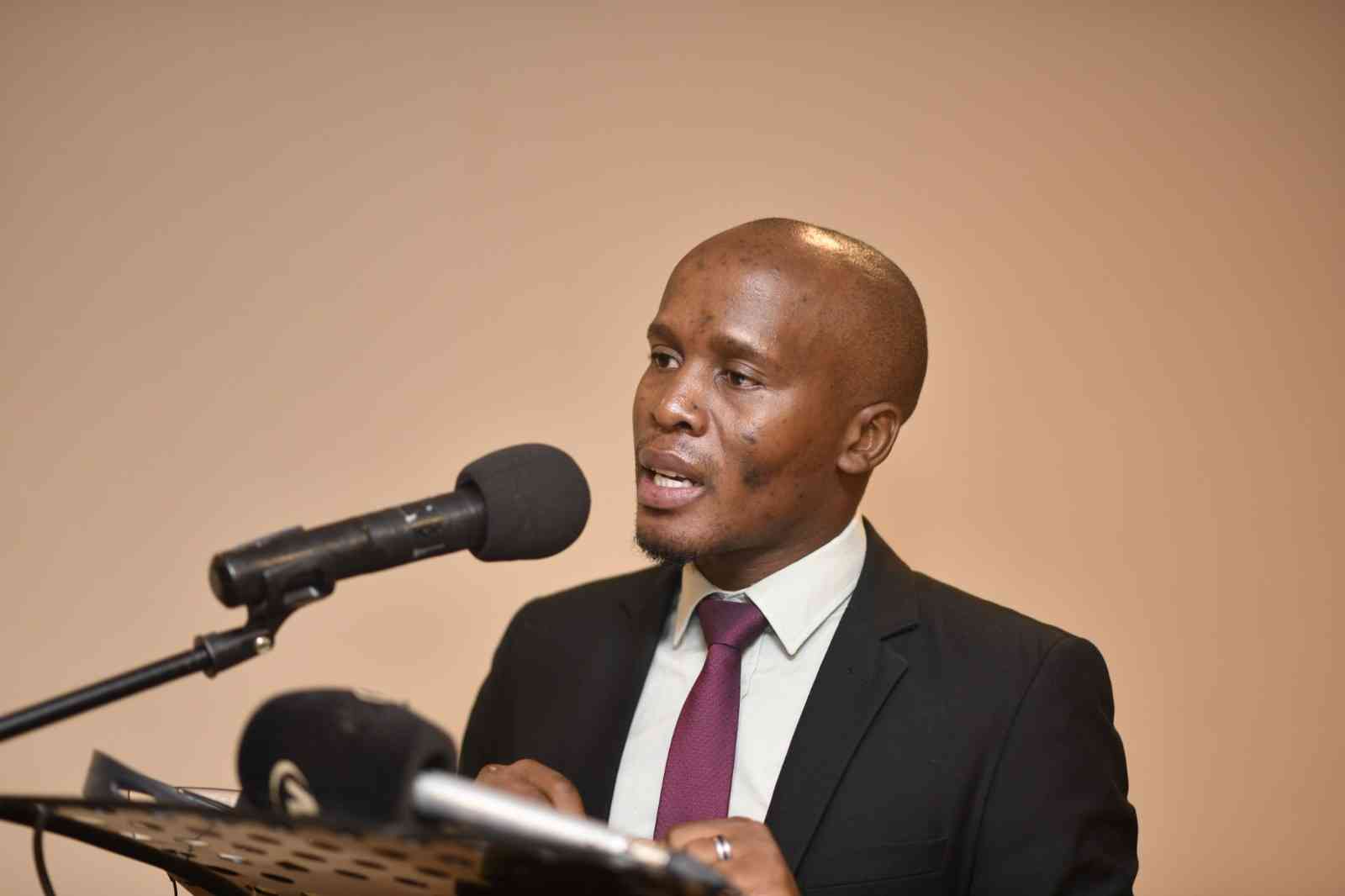
Speaking at the same occasion, the Deputy Speaker of the National Assembly of Botswana, Hon. Helen Manyeneng called on MPs to translate regional commitments on education and employment into practical policies that tackle unemployment, gender-based violence and social vulnerability.
Hon. Manyeneng said the theme of the meeting was closely aligned with her own legislative work and the pressing realities facing citizens across the region.
She stressed the described regional instruments such as the SADC Protocols on Education and Employment as essential guides for national action.
She urged parliamentarians to strengthen cooperation across four key pillars (gender-responsive inclusion, cross-border collaboration, sustainable systems and continuous capacity development) to respond effectively to changing labour markets and social pressures.
She said, “As Parliamentarians, we recognize that international and regional instruments, while not self-executing, serve as indispensable compasses. They ground our national commitments in shared values and collective accountability.”
She highlighted Botswana’s ongoing efforts to align national policies with regional frameworks and said while the country has ratified the SADC Protocol on Education and Training, it has yet to ratify the Protocol on Employment and Labour.
Nevertheless, she affirmed that national laws and strategies already promote equitable access to education, protect workers’ rights and strengthen the link between skills development and labour market demands.
The Deputy Speaker drew attention to the links between unemployment and gender-based violence, citing national data.
“These are not just statistics. They are urgent calls for integrated, systemic responses,” she said and warned that economic vulnerability among young women increases exposure to HIV infection and unintended pregnancies.
She pledged Botswana’s continued collaboration with the SADC Parliamentary Forum and expressed confidence that the Committee’s deliberations would produce practical recommendations to guide legislative reform and improve livelihoods across the region.
-Moses Magadza is the Media and Communications Manager at the SADC PF.