Zimbabwe's central bank built a lending lifeline. Banks drew less than 5% of it. The people paying the price are the ones the facility was designed to serve.
The Reserve Bank of Zimbabwe had an answer ready for the businesses struggling under one of Africa's tightest credit environments.
It created a ZiG1.2 billion targeted finance facility, earmarked specifically for productive sectors struggling to access affordable loans. By mid-April, banks had used less than five cents of every available ZiG dollar.
As at April 15, 2026, only ZiG56.9 million of the ZiG1.2 billion had been drawn down. At the exchange rate of US$1 to ZiG25.2 prevailing on that date, the untouched portion represents roughly US$45 million in credit that never reached the businesses it was intended to support.
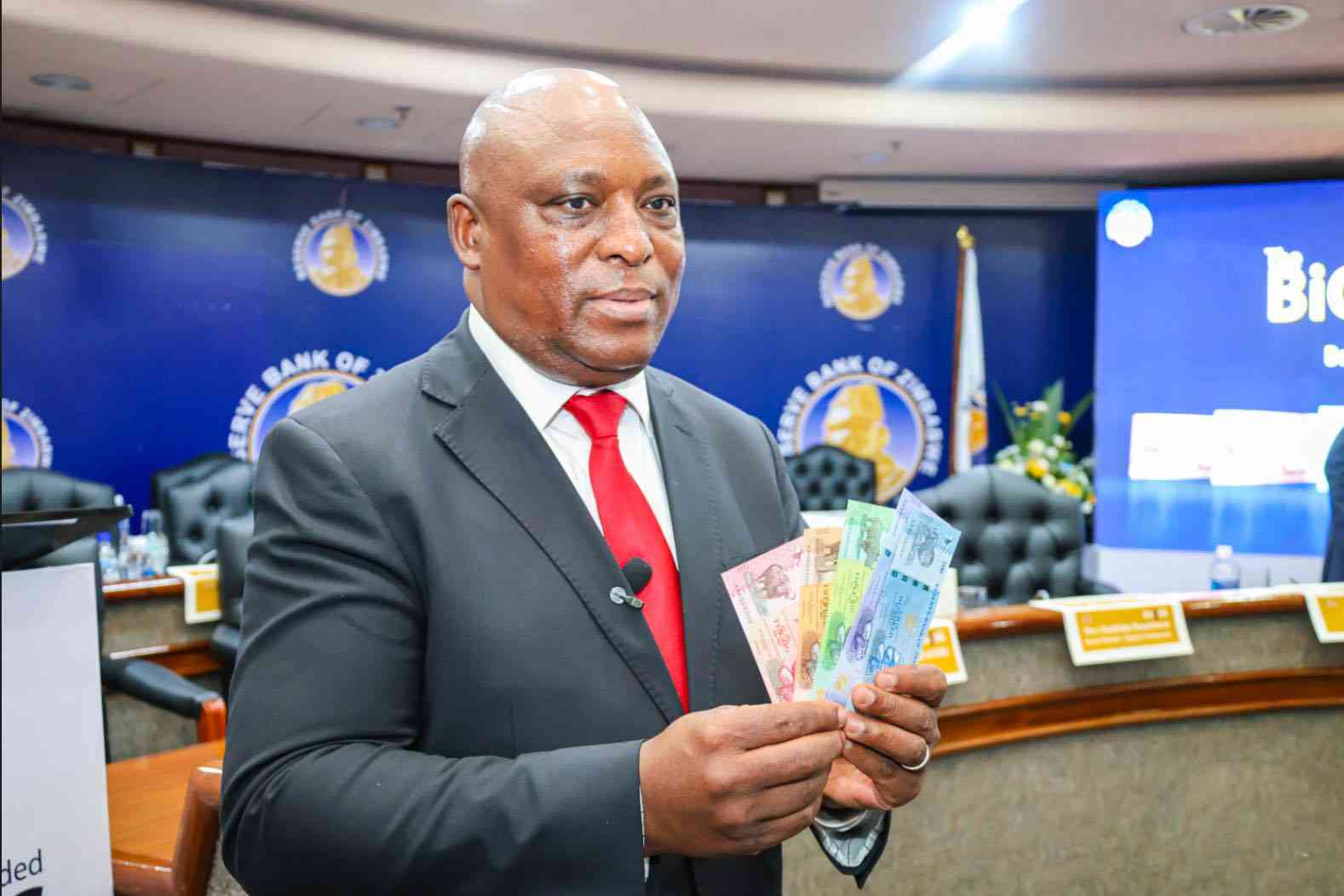
Reserve Bank of Zimbabwe governor John Mushayavanhu called the drawdown figure "disappointing." It is, in practice, a credit transmission failure with real victims.
- Connectivity to drive AfCFTA, AFCAC head says
- Stanbic Bank expands remote branches for tobacco season
- Zimplow upbeat as agriculture, mining lift outlook
- Formalisation drive targets youth in mining sector
- Pomona City drives WestProp profit surge
The Bankers Association of Zimbabwe argued the low uptake did not signal a failure by financial institutions, saying the facility was designed as a supplement to existing credit lines and that deployment was governed by actual credit demand and viable applications from productive sectors.
That explanation deserves scrutiny. It implies the demand for productive-sector credit is simply not there, which directly contradicts what business associations have been saying for months.
The Zimbabwe National Chamber of Commerce disclosed that lending rates currently range between 40 and 47%, and that the TFF has proven ineffective, reaching less than half its intended beneficiaries.
Most applicants, particularly SMEs, were rejected for failing to meet stringent creditworthiness criteria. In other words, the facility exists, but the gateway to it is designed for borrowers who do not need it.
Economist Chenai Mutambasere of the Africa Centre for Economic Justice said the concentration of over 80% of available liquidity in just a few banks means most businesses, particularly SMEs, remain locked out of affordable credit, with the interbank market virtually defunct and liquidity siloed.
Zimbabwe's banks lend approximately 44 cents for every deposit dollar held, with the remainder sitting in government securities, treasury bills, and liquid assets that generate yield without credit risk.
The arithmetic explains the behaviour. At a 35% policy rate, Zimbabwe's commercial lending rate reached 46.86 percent in December 2025.
Parking money in short-term instruments is safer and nearly as profitable as lending to an SME that may default. Banks are not being irrational. They are being rational in a system that rewards risk aversion.
The cost is borne downstream. ZimStat's 2023 Economic Census found that 76.1% of all business establishments in Zimbabwe are informal, with the wholesale and retail trade sector alone constituting 73% of all establishments.
These are the businesses that cannot produce audited accounts, cannot offer qualifying collateral, and cannot absorb a 47% lending rate. They are also the businesses that employ the majority of working Zimbabweans.
The TFF was introduced in January 2025, and the RBZ doubled it to ZiG1.2 billion in the February 2026 monetary policy statement, citing its role in "sustaining economic activity in an environment of tight monetary policy."
The expansion of a facility that was already underutilised raises a harder question than Mushayavanhu's public disappointment answers: if the design of the facility consistently excludes the businesses most in need, what does adding more money to it actually solve?
The RBZ insists there is no liquidity crisis. For the SME owner whose loan application sits in a bank's rejection file, the distinction between a liquidity crisis and a credit access crisis is academic.