
LOMÉ, Togo — Improved air connectivity will be key to driving intra-African trade, the head of the continent’s civil aviation body has said, underscoring aviation’s critical role in unlocking the potential of the African Continental Free Trade Area (AfCFTA).
Experts say initiatives such as the Single African Air Transport Market (SAATM) will be vital in lowering transport costs, boosting intra-African trade and strengthening regional value chains.
The AfCFTA is the world’s largest trading bloc, covering more than one billion people with a combined gross domestic product of over US$3,4 trillion. According to the World Bank, the agreement has the potential to lift about 100 million Africans out of poverty and boost the continent’s GDP by US$450 billion by 2035.
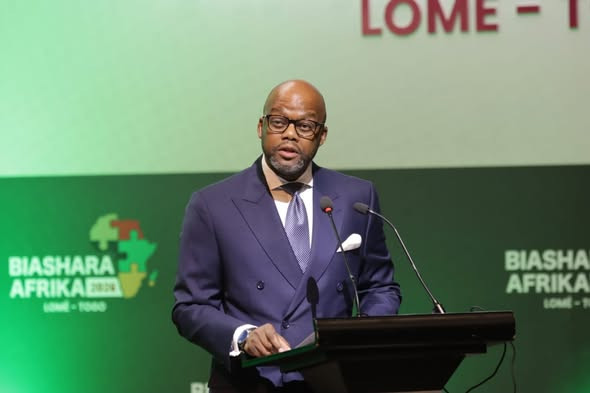
Speaking at the third edition of the Biashara Afrika Forum in Lomé, Togo, Adefunke Adeyemi, secretary-general of the African Civil Aviation Commission (AFCAC), said trade agreements alone cannot achieve meaningful integration unless Africans are able to move freely across borders.
“Trade agreements, no matter how visionary, cannot reach their full potential unless goods, people, investors and ideas can move freely,” she said.
- ZiG1.2 billion sits unused while businesses beg for credit
- Stanbic Bank expands remote branches for tobacco season
- Zimplow upbeat as agriculture, mining lift outlook
- Formalisation drive targets youth in mining sector
- Pomona City drives WestProp profit surge
Adeyemi said SAATM, a flagship project under the African Union’s Agenda 2063, complements AfCFTA by enabling efficient connectivity.
“AfCFTA creates the market; SAATM connects the market,” she said.
She said efficient air connectivity is essential to reduce distance, lower transport costs and strengthen regional value chains.
Adeyemi noted that many African routes remain indirect, forcing passengers and cargo to transit through non-African hubs due to high costs, visa barriers and regulatory restrictions.
“This must change,” she said.
Adeyemi called for the harmonisation of air transport agreements, the reduction of high costs and stronger regulatory coordination to ensure the practical implementation of African integration.
“Markets cannot integrate through declarations alone. Integration happens when people, goods and businesses move seamlessly across borders,” she said.
SAATM aims to liberalise Africa’s aviation industry by creating a single air transport market through the deregulation of air services and opening regional air markets to transnational competition.
The initiative was launched in 2018 during a summit of the African Union Assembly of Heads of State and Government and builds on the Yamoussoukro Decision of 1999, which has been signed by 44 member states.
Thirty-eight countries, including Zimbabwe, have since subscribed to the SAATM solemn commitment in a drive to expand connectivity across the continent.