
A business can be profitable on paper and still collapse — not because it lacks customers or sales, but because it runs out of cash.
Across Zimbabwe, thousands of small and medium-sized enterprises (SMEs) supply goods and services to supermarkets, mining companies, manufacturers and government institutions, only to wait 30, 60 or even 90 days for payment.
During that time, employees still expect salaries, suppliers demand payment, and new orders require fresh working capital. For many businesses, that cash flow gap has become one of the biggest barriers to growth.
The Zimbabwe Entrepreneurship Exchange (ZEEX) believes it has found a solution. Rather than forcing businesses to wait for invoices to mature, ZEEX's Invoice Discounting Marketplace allows entrepreneurs to convert approved invoices into immediate working capital by selling them to investors at a small discount.
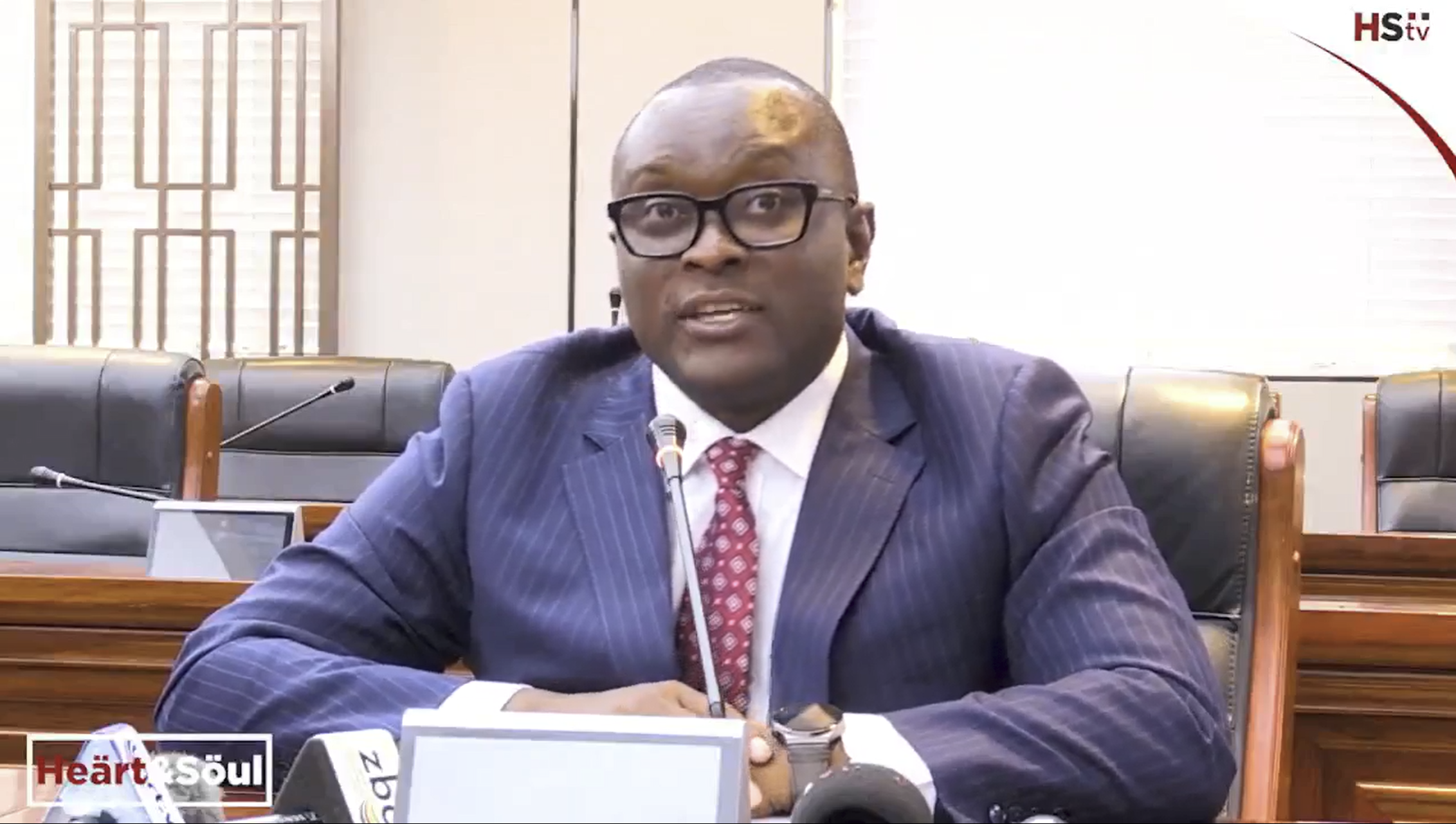
The platform launches with what Zimbabwe Stock Exchange Holdings chief executive officer Justin Bgoni describes as one of its strongest funding propositions: US$50 million already committed by investors to finance invoice discounting transactions.
- Zida approves US$1.59bn in Q2 investments as mining leads
- Emirates-SAA codeshare boosts Zimbabwe connectivity
- Mutapa Gold, ZDF hand over new classroom block to Rushinga school
- Approval of migration of Old Mutual's listing from the Zimbabwe Stock Exchange
- Press statement on approval of migration of Old Mutual's listing from the Zimbabwe Stock Exchange
"The element that we think will get a lot of traction from the start is invoice discounting. It's a simpler product — you have an invoice, you need money straight away, you come on the platform, and you discount it," Bgoni said.
Unlike conventional bank lending, which often requires collateral, invoice discounting shifts the focus to the quality of the receivable. Investors advance money against cash the business has already earned but not yet received.
Consider a furniture manufacturer that supplies office desks worth US$100 000 to a supermarket chain on 60-day terms. Instead of waiting two months for payment, it could place the invoice on ZEEX's marketplace. An investor buys the invoice at a discount, giving the business immediate cash to buy materials, pay staff and fulfil its next contract. When the supermarket eventually pays, the investor collects the invoice value plus an agreed return. The SME keeps operating, production continues, and growth is no longer constrained by slow-paying customers.
Bgoni believes this could become the platform's most widely used product, since the problem it solves cuts across sectors.
"We have up to about US$50 million available for it from the outset, so we are very comfortable on that one," he said.
The innovation is significant because it changes what financiers evaluate. Instead of asking whether an entrepreneur owns enough property to secure a loan, investors examine the quality of the invoice and the customer's ability to pay. A supply contract with a reputable supermarket, mining company or manufacturer becomes more than proof of business activity — it becomes a financeable asset.
That marks a fundamental shift in SME financing. Traditionally, businesses have relied on overdrafts, short-term loans or personal savings to bridge the gap between delivering goods and receiving payment. Invoice discounting instead unlocks money already tied up in completed transactions, reducing the need to borrow just to stay operational. For fast-growing businesses, this can be transformative: a company no longer needs to turn down new orders because cash is trapped in unpaid invoices, and can instead use proceeds from one contract to finance the
next.
For investors, the proposition is equally attractive — they are financing invoices linked to genuine commercial transactions, rather than speculative business ideas, offering a different risk profile from traditional equity investments.
The product also broadens ZEEX's appeal beyond businesses seeking to list on a stock exchange.
Invoice discounting sits alongside ZEEX's Private Markets, where businesses raise capital from selected investors without listing, and Public Markets, where companies issue securities to retail and institutional investors through an SME-focused exchange.
Together, the three pathways form a funding ecosystem for businesses at different stages of growth.
For many entrepreneurs, though, invoice discounting may prove the most immediate game changer — tackling not a lack of customers, but the long wait to turn sales into cash.
With US$50 million already committed to the facility, ZEEX is betting that the future of SME finance may begin not with a loan application, but with an unpaid invoice.