Grobbie Best Foods chief executive officer Nancy Guzha has praised Zimbabwe’s economic environment under the Second Republic, saying government policies have created opportunities for local businesses to grow despite persistent financing challenges.
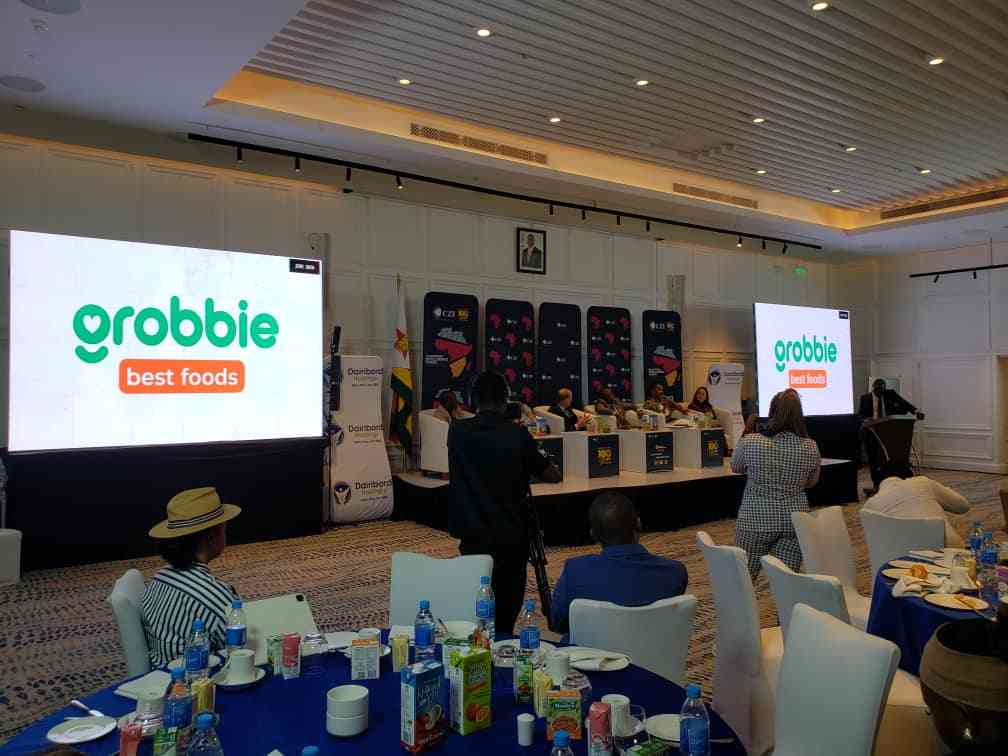
Speaking during a panel discussion at the Confederation of Zimbabwe Industries (CZI) Manufacturing Sector Survey and Review 2025 in Harare, Guzha said the agro-processing firm recorded a turnover of US$3.5 million in 2025, reflecting strong growth in local manufacturing.
Grobbie Best Foods, a Harare-based agro-processing company, produces maize-based food products including Gutsa Roller Meal, Jena Super Refined maize meal and ZIMBANAX maize snacks.
The company’s products have gained a strong presence in the domestic retail market while expanding into regional markets.
“Zimbabwe consistently punches above its weight. Even during the time that we were under sanctions and so forth, Zimbabwe was always the underdog of every strategy session because the other countries would have GDP growth of 8% and a lot of FDI, while Zimbabwe would have nothing,” Guzha said.
- Mining chiefs warn cost burden is driving away capital
- 25-year power deal unlocks 50MW Chegutu solar investment
- ZiG bottlenecks threaten 50-tonne delivery target
- Zida unveils US$17m investment pipeline
- South Africa’s IDC to gain stake in Hippo, Triangle under Tongaat rescue plan
She commended government support for industry, particularly through trade facilitation initiatives, but said access to capital remained the biggest obstacle facing entrepreneurs and small businesses.
“We have had so much support from the ministry (Industry and Commerce). There are opportunities which have to be unpacked, and if those opportunities can be unpacked, a lot of businesses can come up,” she said.
“However, the single biggest issue remains fundraising. For everything that I did, I had to fund it myself. I had to go to family, I had to knock on doors, and so forth.”
Before establishing Grobbie Best Foods, Guzha held senior roles at multinational consumer goods company Unilever, where she managed operations across Zimbabwe, Zambia, Malawi and Mozambique.
Meanwhile, Industry and Commerce Minister Mangaliso Ndlovu said government would establish a digital local content platform to strengthen monitoring and enforcement of local procurement policies.
“The government will establish a digital local content platform that will register companies, certify production processes, monitor compliance, and provide real-time information on local content performance to ensure accountability, transparency, and effective monitoring,” Ndlovu said.
He said the Ministry of Industry and Commerce had already established a Local Content Steering Committee to provide strategic oversight and coordinate implementation across government, industry and other stakeholders.
Ndlovu said the initiative would create a transparent framework for stakeholder participation while improving policy implementation.
“As we reflect on the findings of this report, we are reminded that industrial transformation is no longer a matter of aspiration, but a national imperative,” he said.
“The resilience demonstrated by our manufacturing sector in recent years is commendable. The era of exporting jobs through the export of raw materials must surely come to an end.”
He added that government intends to use its procurement power strategically to support domestic industrialisation and promote value addition across key sectors of the economy.