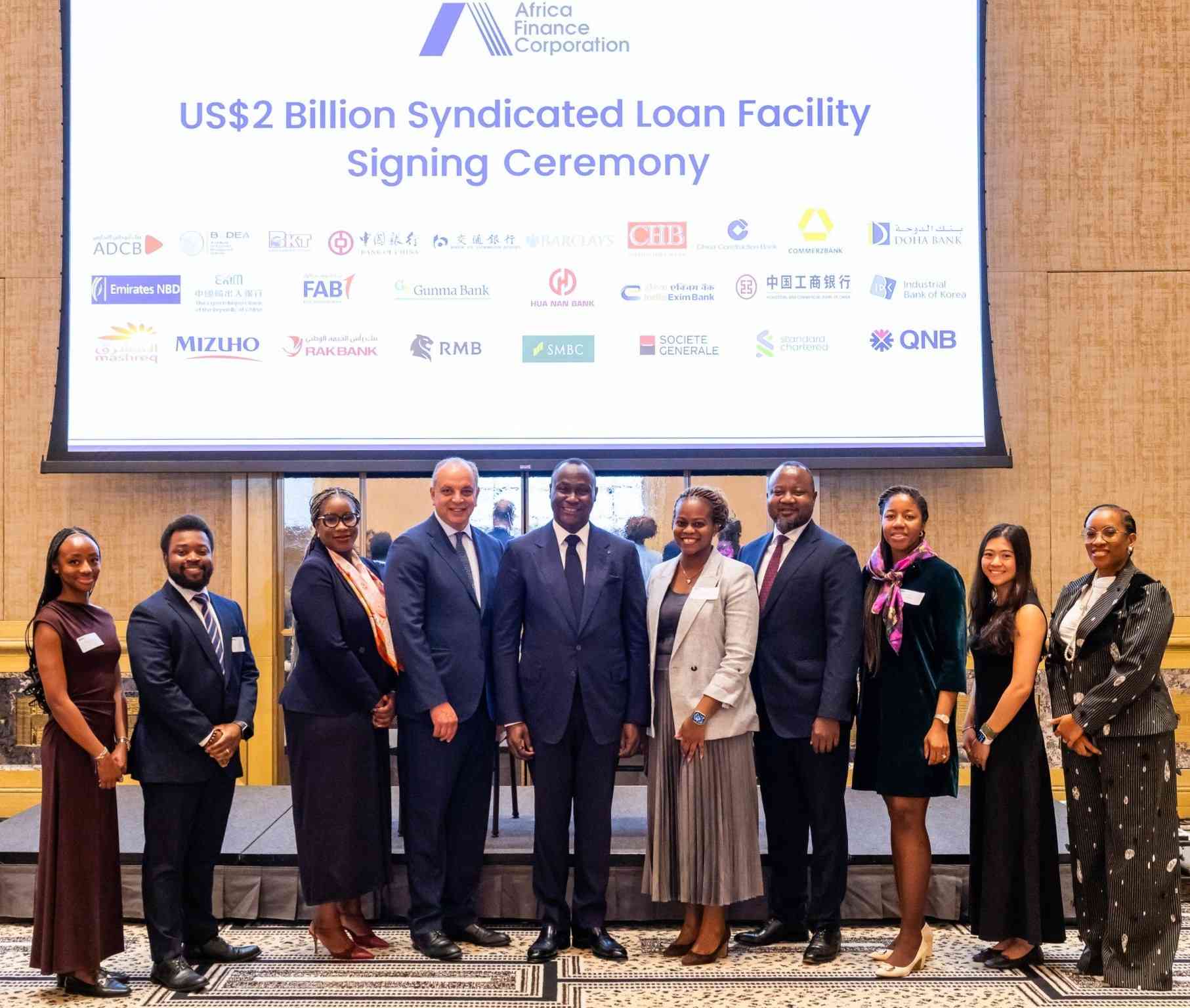
Africa Finance Corporation (AFC), the continent’s leading infrastructure solutions provider, has raised a record US$2 billion syndicated loan, underscoring strong international investor confidence in its infrastructure and industrial investment strategy.
The funding marks a major boost to AFC’s capacity to scale infrastructure investments across Africa at a time of heightened global market volatility. The corporation says the facility will support expansion into integrated energy, transport, logistics and industrial projects aimed at accelerating trade, job creation and economic growth across the continent.
The transaction was initially launched at US$1,6 billion before being upsized to US$2 billion due to strong demand. It drew participation from banks across Asia-Pacific (35%), Europe (35%), the Middle East (25%) and Africa (5%), reflecting broad global backing despite geopolitical uncertainty and volatile markets.
AFC said the facility will strengthen its capacity to scale investments in infrastructure and industrial ecosystems across Africa, supporting trade, growth and job creation.
The corporation has recently received improved credit ratings, including an ‘A’/A-1 rating with a Positive Outlook from S&P Global Ratings, alongside long-standing A3 ratings from Moody’s and A+ from Japan Credit Rating Agency.
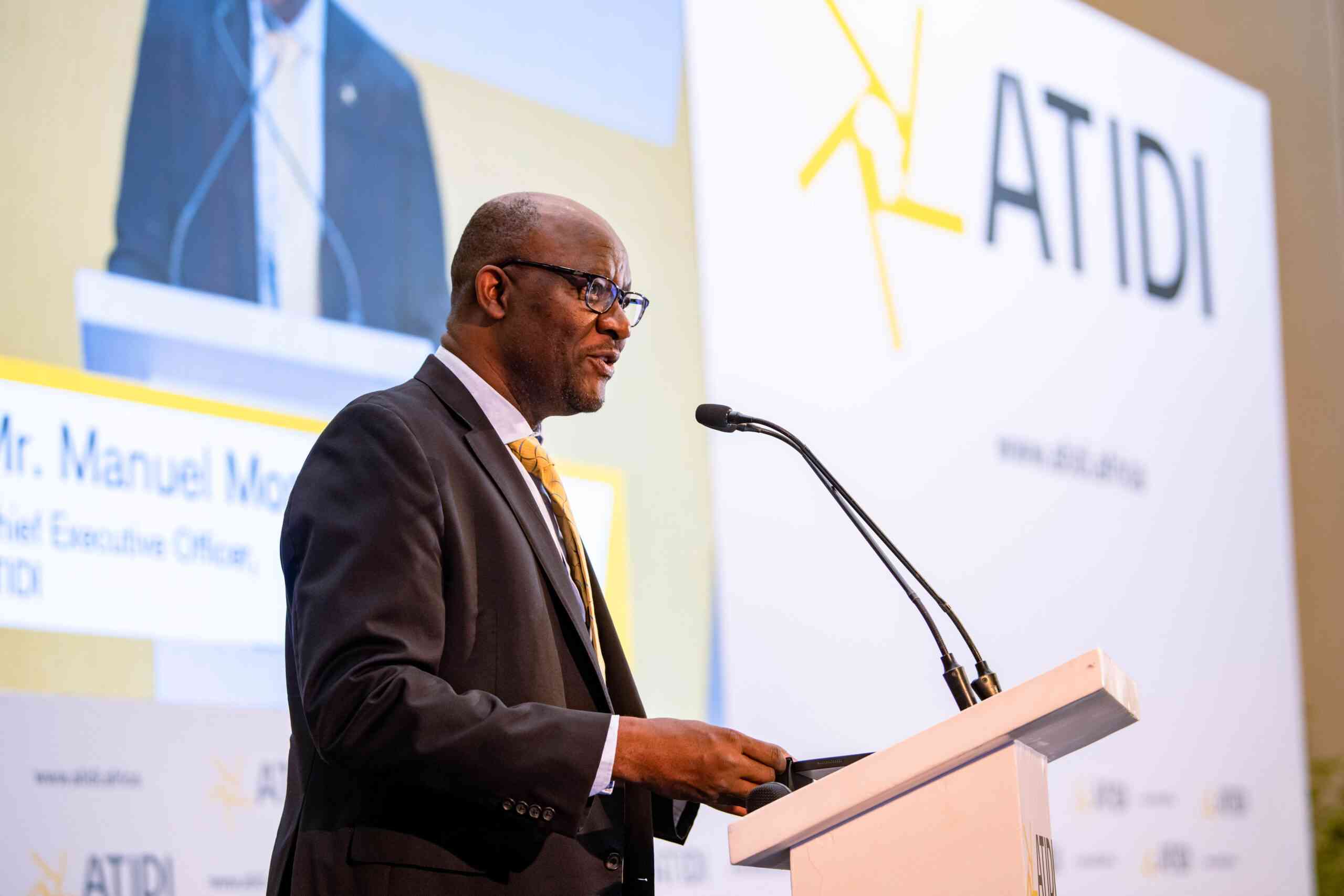
- AfDB backs ATIDI with US$125m equity boost
- FMP shareholders back ZSE exit
- Nampak Zimbabwe weathers profit slump with strong liquidity
- ZSE rolls out sweeping concessions to attract new listings
- RioZim loss widens to ZiG739m as revenue slumps
Samaila Zubairu, President & CEO of AFC, said the transaction reflected growing recognition that Africa’s next phase of growth would be driven not by isolated projects, but by integrated infrastructure systems connecting energy, transport, logistics, industry and technology.
“As global capital seeks resilient long-term growth opportunities, AFC is positioning itself at the centre of Africa’s transformation by developing platforms that convert infrastructure into industrialisation, jobs and economic competitiveness,” he said.
The deal comes as AFC expands its footprint, including plans to open its first regional office outside Lagos in Nairobi, announced at its Africa We Build Summit. The corporation’s assets have surpassed US$19 billion, with membership expanding to 48 African countries.
The syndicated facility is also aligned with AFC’s strategy to mobilise domestic institutional capital, including pension funds, for infrastructure financing, as outlined in its State of Africa’s Infrastructure Report 2026.
The facility was led by Barclays, Commerzbank, First Abu Dhabi Bank PJSC, and FirstRand Bank (Rand Merchant Bank), acting as global coordinators and bookrunners.
Other mandated lead arrangers included Abu Dhabi Commercial Bank PJSC, Bank of China (Johannesburg and London branches), Emirates NBD, Industrial and Commercial Bank of China (London branch), Mashreqbank PSC, Mizuho Bank, SMBC Bank International, Société Générale Côte d’Ivoire, Société Générale S.A, Société Générale Sénégal, Standard Chartered Bank (Hong Kong) and the National Bank of Ras Al Khaimah.
Additional lenders include Export-Import Bank of India (London branch), Arab Bank for Economic Development in Africa, Bank of Communications (Johannesburg and London branches), China Construction Bank (Johannesburg branch), Doha Bank Q.P.S.C, Hua Nan Commercial Bank (Hong Kong branch), Export-Import Bank of the Republic of China, Qatar National Bank Q.P.S.C, The Gunma Bank, Chang Hwa Commercial Bank (London branch), Banka Kombetare Tregtare and Industrial Bank of Korea (Hong Kong branch).
AFC executive board member and head of financial services Banji Fehintola said closing the facility marked a “defining milestone” for the corporation.
“The strong support from a broad group of international financial institutions reaffirms investor confidence in AFC’s credit strength, strategic relevance and execution capabilities,” he said.
AFC, established in 2007, focuses on infrastructure and industrial investments across Africa in sectors including power, natural resources, heavy industry, transport and telecommunications. It has invested more than US$19 billion across 36 African countries and counts 48 member states, including Zimbabwe.