
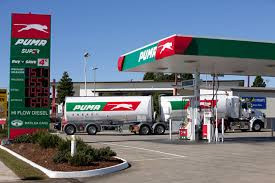
PUMA Energy, the leading global downstream energy business concern, is betting on the growth of the aviation sector amid rising passenger traffic into Zimbabwe.
Puma Energy, the leading global downstream energy company, is betting on the growth of Zimbabwe’s aviation sector amid rising passenger traffic into the country.
According to the Airports Company of Zimbabwe, passenger numbers grew by 10% to 1,6 million in the first nine months of the year.
This has driven up Jet A1 demand, which rose 8,4% last year and recorded a 27% uptick in early 2025 — a sign of strengthening air travel and tourism activity.
Puma Energy Zimbabwe general manager Patrick Ngugi said the surge in Jet A1 consumption reflects a steady aviation recovery.
- Comesa tech upgrade targets fraud, unlocks faster regional commerce
- New gold tax to cream off US$150m from Caledonia unit
- Small scale miners warn Mthuli: Your new gold royalty will only increase smuggling
- Econet begins process to improve ‘grossly undervalued’ share price
- MD, FD in shock exits at British American Tobacco Zimbabwe
He said the company’s US$30 million expansion programme over five years includes significant investment in the aviation sector.
“For example, we built a new jet fuel tank (1 000m³) at Robert Gabriel Mugabe International Airport to support the country’s economic growth, especially across the aviation and tourism sectors,” Ngugi said.
“While we are present in the large airports, we are also present across airfields across the country,which help connect the country through aviation.”
Ngugi said the investment aligns with the government’s aviation modernisation efforts and large-scale airport infrastructure upgrades to support business and tourism growth.
Puma Energy Zimbabwe has a retail network of 52 service stations nationwide, with presence at four airports.
Three additional sites are under construction — two of them in rural areas — according to retail manager Belinda Chibwe.
She said the company aims to create destinations “where we put everything together”, prompting Puma to expand the convenience experience for customers.
Ngugi said Puma Zimbabwe will continue leveraging the parent company’s continental footprint to ensure a reliable supply chain.
“We are big in Africa, present in 17 countries. One advantage we have is benefiting from the wider supply chain,” he said.
While acknowledging that the growing number of service stations has created competitive pressure, Ngugi said Puma is differentiating itself through guaranteed supply, product quality and a full-service offering.
“The new players don’t provide that — they only provide fuel,” he said, adding that fuel companies have engaged the energy regulator to push for fair competition.
“We have been engaging the regulator so that Zera[Zimbabwe Energy Regulatory Authority] puts in policies that protect investment, ensuring that when new players come in, there is a level playing field,” he said.
Meanwhile, Puma Energy Zimbabwe has launched a multi-tiered loyalty application designed to enhance customer experience, enabling users to earn and redeem rewards across fuel, retail, restaurant and service outlets at its stations.
The launch of the Puma PRIS app comes as Zimbabwe’s fuel sector continues to show resilience despite global volatility and local challenges.
Diesel leads consumption with 64,1% — driven mainly by commercial and industrial use — while petrol accounts for 32,1%, with 66,7% consumed by retail customers.
Puma Energy Zimbabwe said the PRIS app doubles as a financial management tool, helping customers monitor spending, track fuel consumption patterns and plan more effectively.
“It turns every routine fuel stop into something valuable. With the rewards they earn, customers can pick up groceries, enjoy a meal, or even buy airtime and other services — whether for themselves or for friends and family,” Chibwe
said.
“It’s loyalty that goes beyond the pump, spreading benefits across households and communities. The more you shop at Puma, the better your rewards.”
She said the application marks a significant milestone in Puma’s investment in digital innovation and customer-focused solutions, reinforcing its commitment to private-sector-led advancement and collaboration.
The group is partnering NMB Bank and Econet as rewards partners.