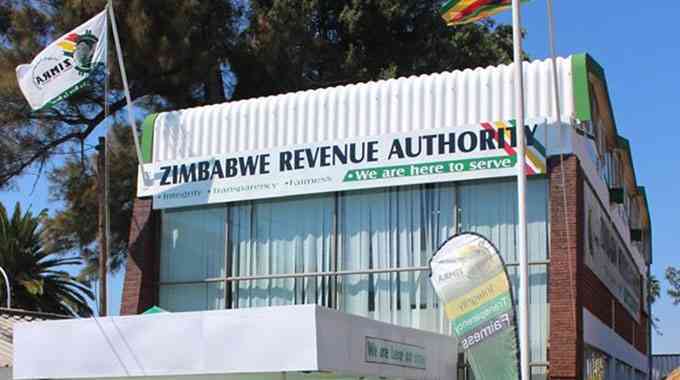
THE Zimbabwe Revenue Authority (Zimra) says it is operating within the confines, defending its aggressive tax enforcement, which has saddled several companies with statutory obligations amounting to millions of US dollars.
Companies like Delta Corporation Limited have been hit with additional tax assessments of US$74,8 million at the end of its financial period ended March 31, 2025, while Innscor Africa Limited was given a bill of US$13,21 million for its period ended December 31, 2024, by Zimra.
The two firms have taken Zimra to court challenging these tax assessments.
In May, the Zimbabwe National Chamber of Commerce warned Zimra against its “aggressive” audit drive as it keeps mounting cost pressures on firms and risks alienating compliant taxpayers.
“The Zimbabwe Revenue Authority operates strictly within the framework of the law. Our mandate is guided by enabling tax legislation, which provides for a self-assessment system where taxpayers declare their tax obligations,” Zimra said in emailed responses to NewsDay Business.
- €50m guarantee to unlock power funding for Zimbabwe IPPs
- Total funds under management rise 9,59% to ZiG90,6bn
- Tharisa doubles down on Karo for long-term PGM growth
- FBC Holdings gets approval for bank, building society merger
- Netflix, YouTube, TikTok drive 8,35% MNO Q3 revenue growth
“Zimra operates within a strategic framework aimed at enhancing domestic resource mobilisation to support Zimbabwe’s socio-economic development and our core responsibility is to ensure that all taxpayers comply with the tax legislation, thereby creating a level playing field and sustaining government
revenue.”
Zimra claimed that it aimed at striking a balance between enforcement and facilitation, prioritising partnership over punishment and focusing on encouraging voluntary compliance through education, engagement and streamlined processes.
“Where additional assessments have been issued, it is typically due to instances where taxpayers did not correctly account for tax obligations in the respective
currencies, as prescribed by law,” it said.
“However, being cognisant of the implications the tax debt has on business operations and cash flow, especially from audits, Zimra allows taxpayers to make payment plans for the extinction of the debt.”
Zimra denied it was squeezing businesses.
“Zimra remains ready to assist businesses but also has to balance the competing interests within its mandate,” it said.
The tax authority recently revealed it is “unwavering” in its determination to meet the 2025 revenue target of the ZiG equivalent of US$7,2 billion in tax collections this year, indicating an even further aggressive tax collection.
“While enforcement is crucial, our primary approach is to engage with taxpayers, helping them understand their obligations and making compliance as seamless as possible,” Zimra said.
“Our core responsibility is to ensure that all taxpayers comply with the tax legislation, thereby creating a level playing field and sustaining government revenue.”
It said the levels of voluntary compliance are increasing, albeit at a slow pace, confirming companies were struggling to keep up with Zimra.
“Despite these challenges, Zimra remains committed to modernising its systems, strengthening enforcement and expanding taxpayer education and engagement initiatives,” Zimra said.
“Our goal is to cultivate a culture of compliance and broaden the tax base fairly and inclusively.”
Captains of industry have since called for a unified taxation system to reduce the burden of multiple taxes, saying the multiple statutory obligations werehindering business expansion.
The regulator is working on an initiative to educate and engage people on tax payment and regulation compliance as they try to bring trust and transparency in the tax ecosystem.
Zimra said it was closely monitoring and engaging different stakeholders to address concerns related to the introduction of new taxes over the past three years, such as the sugar tax, fast food tax and wealth tax.
“Initial market responses have varied, as expected with any fiscal adjustment. However, Zimra continues to monitor implementation closely and engage with stakeholders to address concerns and to improve compliance,” it
said.
“The ultimate goal is to build a more inclusive, transparent and equitable tax system that supports long-term national growth.”