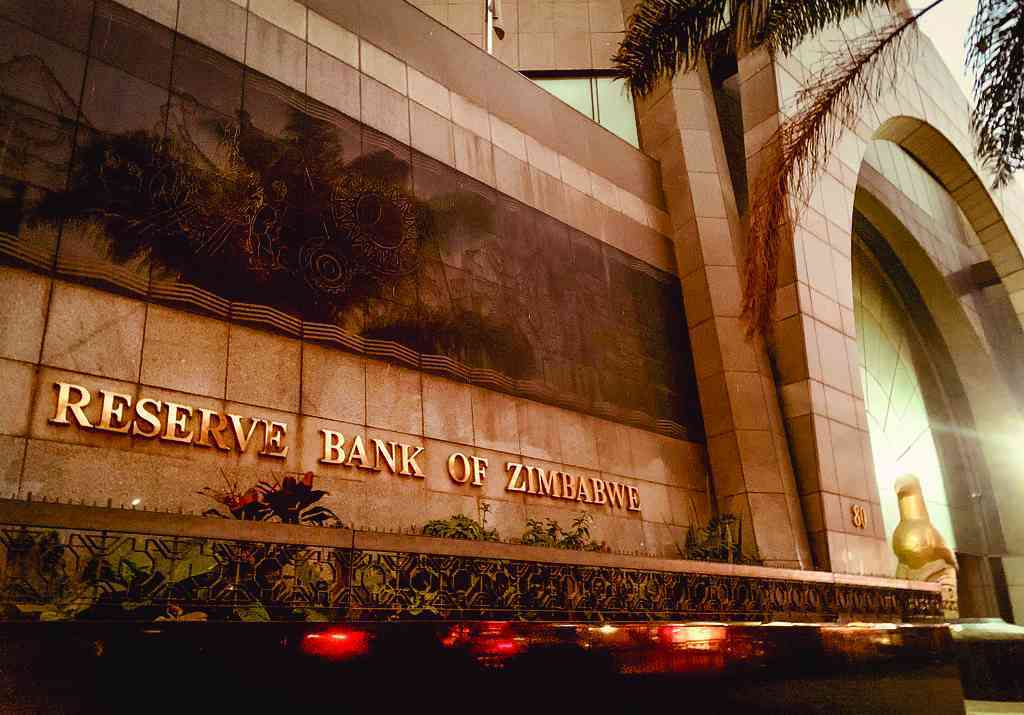
THE Reserve Bank of Zimbabwe (RBZ) has raised concerns over excessive bank charges, urging the financial institutions to return to their core mandate of making profits from lending and other banking activities.
Bank charges have been a major concern for depositors, resulting in the latter avoiding banks entirely.
The RBZ, through the 2025 Monetary Policy Statement (MPS), confirmed this by noting that some businesses and consumers are not banking most or all of their cash receipts.
Instead, the central bank found that these depositors are keeping such cash in safe deposit boxes held with financial institutions and security companies.
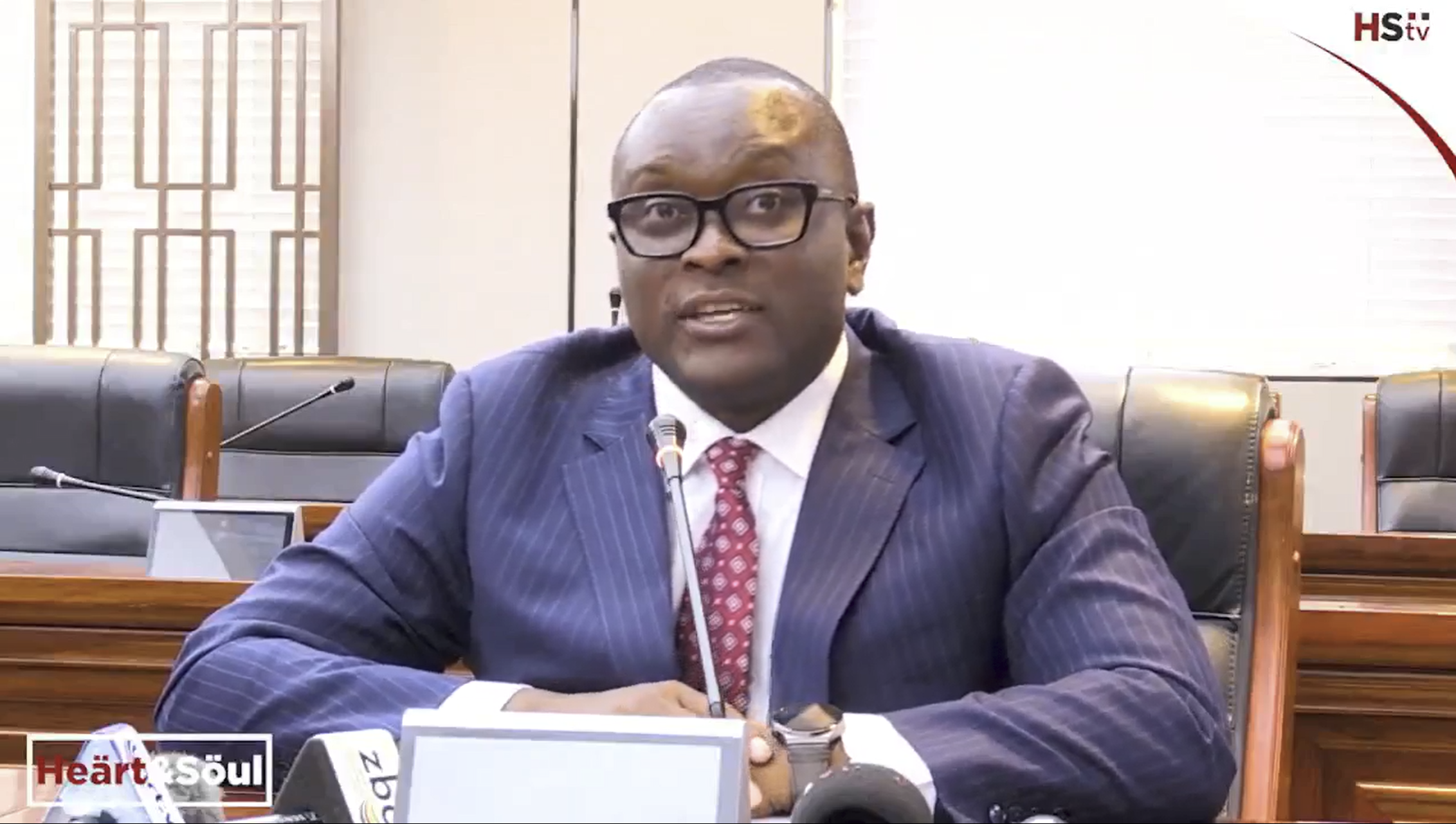
In the 2025 MPS, the RBZ removed charges on transactions under US$5 or its ZiG equivalent to try to minimise some bank charges. Speaking at an Actuarial Society of Zimbabwe workshop yesterday in Harare, RBZ deputy governor Innocent Matshe criticised banks for relying heavily on charges and fees.
- West Prop turns lifestyle living into a profit-making venture
- Vungu Solar signs 25-year deal to deliver 30MW to national grid
- Invictus loses US$90m as Qatari deal collapses
- ECA, Morocco sign host agreement ahead of 2026 ministers’ conference
- ZimTrade to host annual conference next month
“Banks have been making promises about reducing costs through digitalisation, but instead, costs have increased,” he said.
“We urge banks to focus on lending and core banking activities, rather than relying on charges and fees.”
Matshe said to address concerns about high charges, financial institutions would now be required to inform customers about the different types of accounts and their associated fees.
In the 2025 MPS, the RBZ increased the savings and time deposit rates to 5% and 7,5%, respectively, from 3,5% and 5% on ZiG bank accounts to promote banking. On US dollar bank accounts, the RBZ increased savings and time deposits rates to 2,5% and 4%, respectively, from 1% and 2,5%.
“We want to encourage the use of the local currency and reduce reliance on the US dollar. We believe that these measures will help to build confidence in the banking sector and promote economic growth,” Matshe said.
“. . . every time you engage the financial services sector, they talk about, ‘oh no, there is a charge for this, a charge for that, a charge for this. They are too many’.”
He said unused money in bank accounts was now going to charges.
“So we also had conversations with mobile network operators to say you need to be aligned,” Matshe said.
“This is the way we need feedback from consumers, from ordinary Zimbabweans. If you use your dollar and you are told it’s no longer a dollar, make an issue.”
He urged financial services players to reduce transactional costs.
“The Reserve Bank received numerous applications in the past from financial service players who were digitalising and part of the submissions were, if we digitalise, we reduce costs,” Matshe added.
“But what has happened is that those costs have not been reduced. In fact, they have gone even higher. Maybe the sector over-invested? We do not know. But we need to see the dividend from digitalisation. We have not seen it yet.”
He reminded depositors that bank balances below US$100 were not supposed to attract any bank charges.
“What we also have found is that sometimes financial institutions do not inform their customers that we have different types of accounts,” Matshe said.
“If you put your money into saving as a type of deposit, it will be remunerated. If you put it in your current account, it will not.”
Not telling people this, he said, was making depositors lose money.
The RBZ is working with Bankers Association of Zimbabwe and Payment System Providers to come up with mechanisms to minimise bank charges and encourage the use of e-cash to promote ZiG.
These mechanisms will be finalised and communicated before the end of the first half of the year.